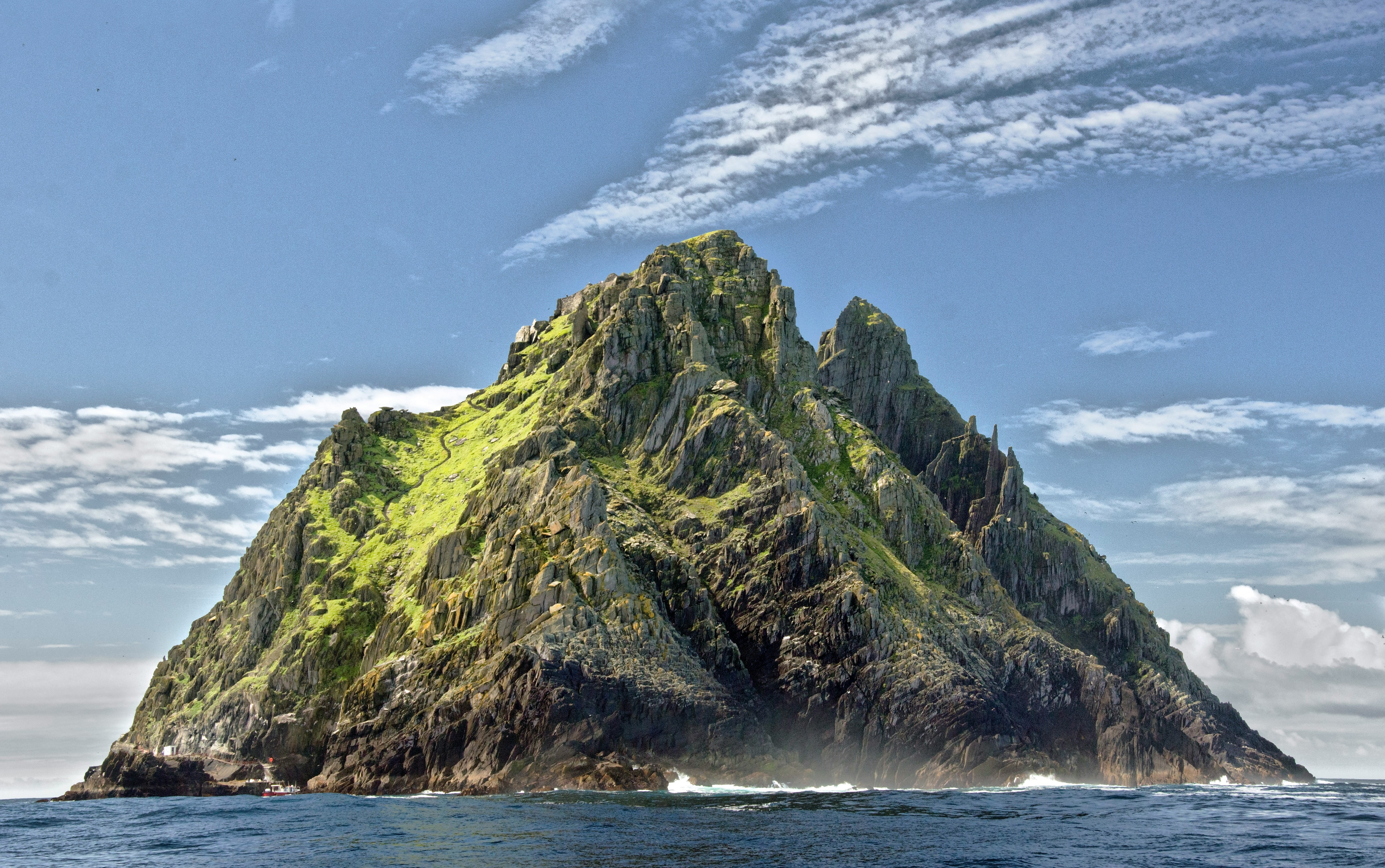
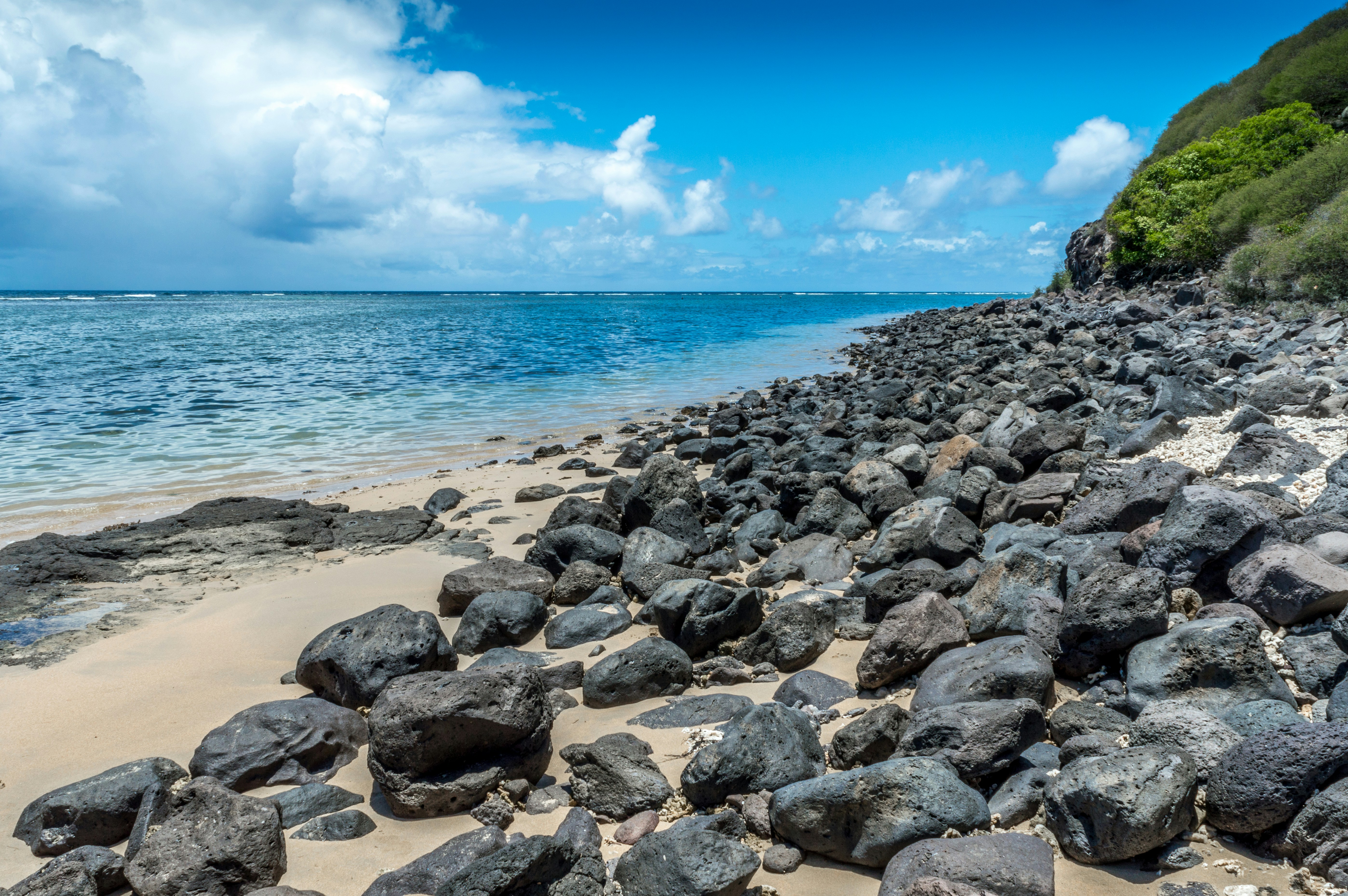
Hello! I’m Asgar, born and raised on the beautiful island of Mauritius, a small but breathtaking paradise in the Indian Ocean. Growing up in such a picturesque environment ignited my passion for exploring new places and experiencing diverse cultures.
I am currently pursuing a degree in Computer Science at New York University. My love for problem-solving and creativity drives my curiosity in the fields of technology and mathematics. Feel free to check out my my personal portfolio website.
Traveling is one of my deepest passions. It’s more than just a hobby for me; it’s a way to broaden my perspective, immerse myself in different cultures, and connect with people from all walks of life. Every journey teaches me something new, far beyond what I could learn in a classroom.
Over the years, I’ve had the privilege of visiting more than 20 countries, each with its own unique experiences and lessons. Below, you’ll find summaries of the countries I’ve explored, along with essential travel tips. Don’t miss the travel quiz to discover which destination might be perfect for you!
The United Arab Emirates (UAE) is located on the Arabian Peninsula, bordered by Saudi Arabia to the south and west, Oman to the east, and the Persian Gulf to the north. The country is characterized by vast deserts, coastal plains, and mountainous regions. The Rub' al Khali, or Empty Quarter, is one of the largest sand deserts in the world, while the eastern regions feature the rugged Hajar Mountains.
The UAE is a blend of traditional Islamic culture and modern cosmopolitanism. While deeply rooted in its Bedouin heritage, the country is also home to a diverse expatriate population. Traditional practices like falconry, camel racing, and dhow sailing are still celebrated, alongside modern art, music, and fashion scenes.
Emirati cuisine is a rich blend of Middle Eastern and Asian influences. Popular dishes include Al Harees (a slow-cooked wheat and meat dish), Shawarma, and Majboos (a spiced rice dish with meat). Dates and Arabic coffee are traditional staples, often served as a sign of hospitality.
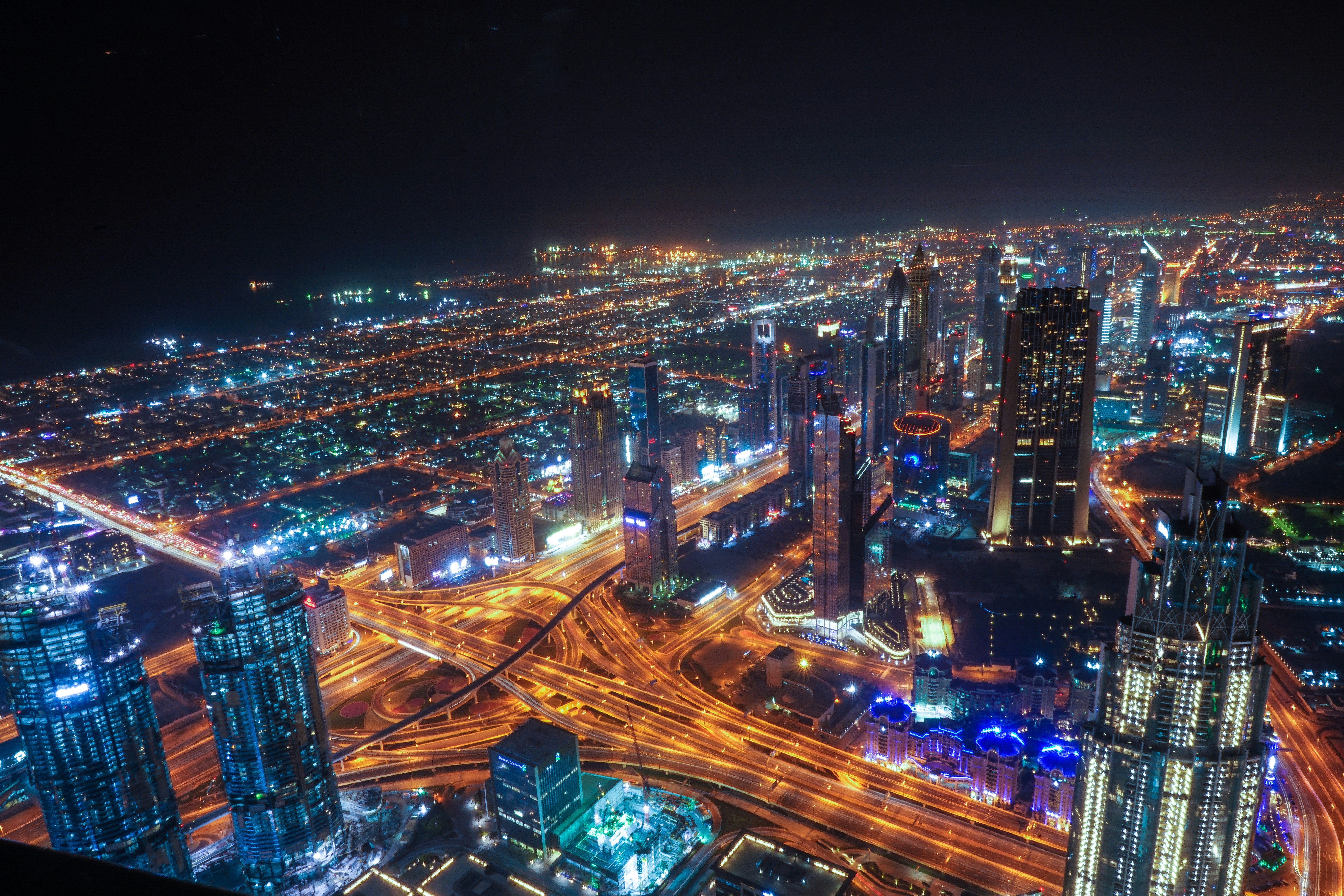
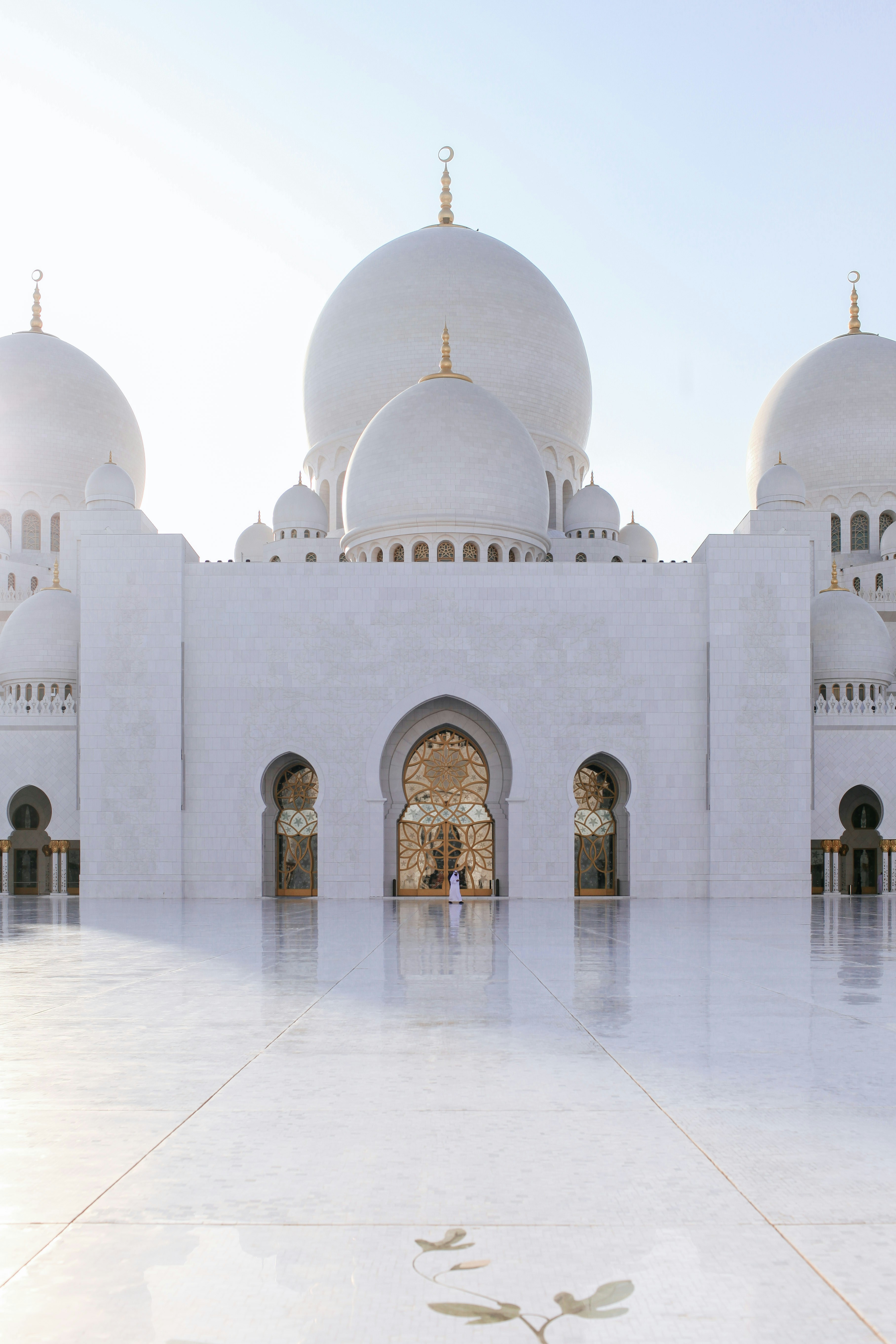
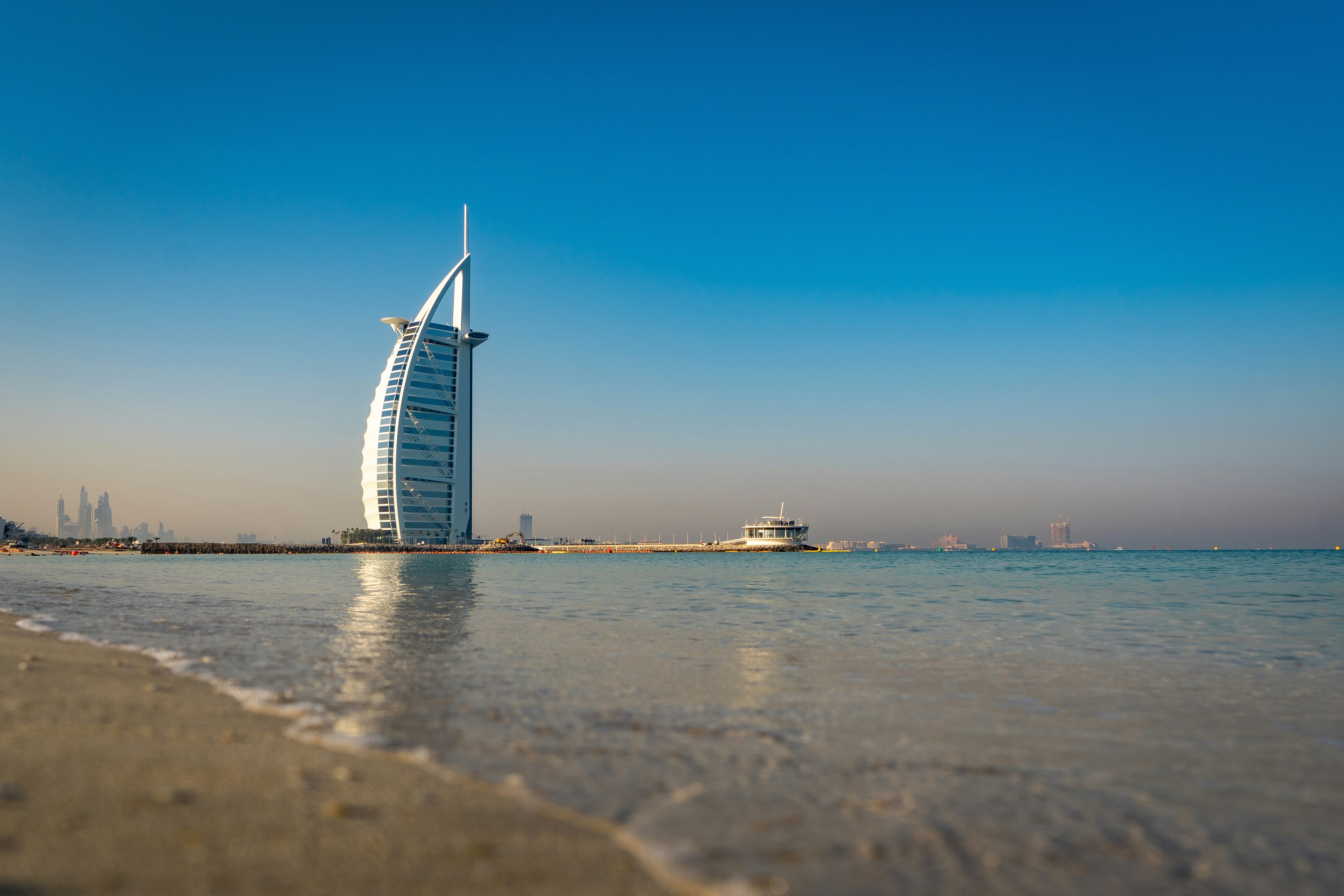
The UAE is known for its iconic landmarks, such as the Burj Khalifa in Dubai, the tallest building in the world, and the Sheikh Zayed Grand Mosque in Abu Dhabi, a masterpiece of modern Islamic architecture. Other popular attractions include the Palm Jumeirah, Dubai Mall, and the desert safari experiences that showcase the country's natural beauty.
Arabic is the official language of the UAE, with Emirati Arabic being the local dialect. However, English is widely spoken and serves as the lingua franca, especially in business and tourism. Due to the expatriate population, other languages like Hindi, Urdu, and Tagalog are also commonly heard.
The UAE celebrates a range of cultural and religious festivals, including Eid al-Fitr and Eid al-Adha, which are marked by communal prayers, feasts, and charity. National Day on December 2nd celebrates the unification of the seven emirates, featuring fireworks, parades, and cultural performances.
The UAE has a desert climate, with extremely hot summers and mild winters. Summer temperatures can exceed 113°F (45°C), while winter temperatures range between 57°F to 75°F (14°C to 24°C). The country experiences minimal rainfall, mostly during the cooler months, and occasional sandstorms.
Malaysia is divided into Peninsular Malaysia and East Malaysia (Borneo), featuring lush rainforests, stunning islands like Langkawi, and the towering peak of Mount Kinabalu. The country is blessed with rich biodiversity and a mix of coastal plains and mountainous regions.
A melting pot of Malay, Chinese, and Indian cultures, Malaysia is rich in traditions, from colorful festivals to intricate batik designs. The cultural diversity is reflected in daily life, with each community preserving its unique practices while also contributing to the national identity.
Known for its diverse and flavorful food, Malaysian cuisine includes dishes like Nasi Lemak, Satay, and Laksa, reflecting the country’s multicultural heritage. Street food is an integral part of Malaysian culture, with hawker stalls offering a taste of the nation’s culinary diversity.
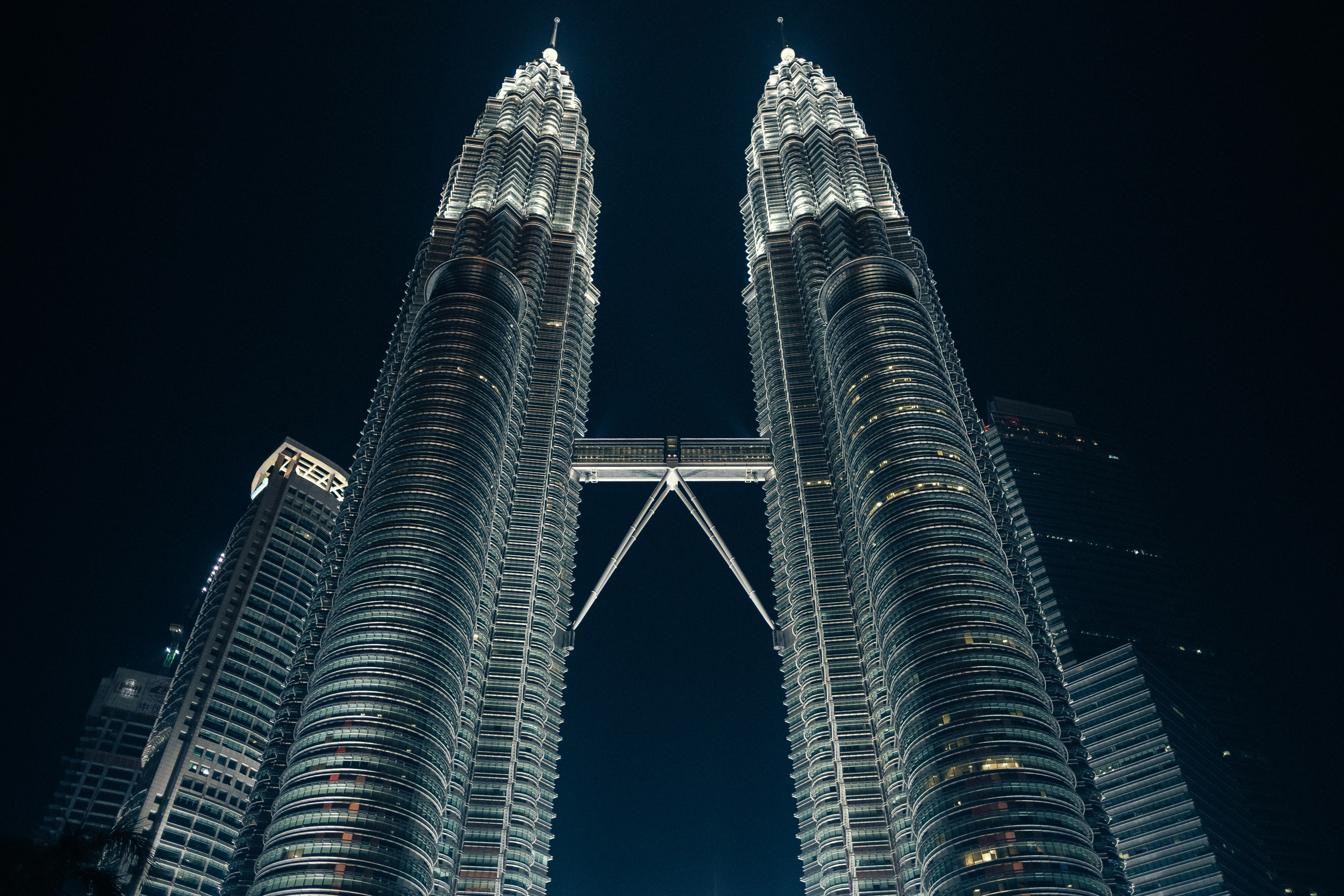
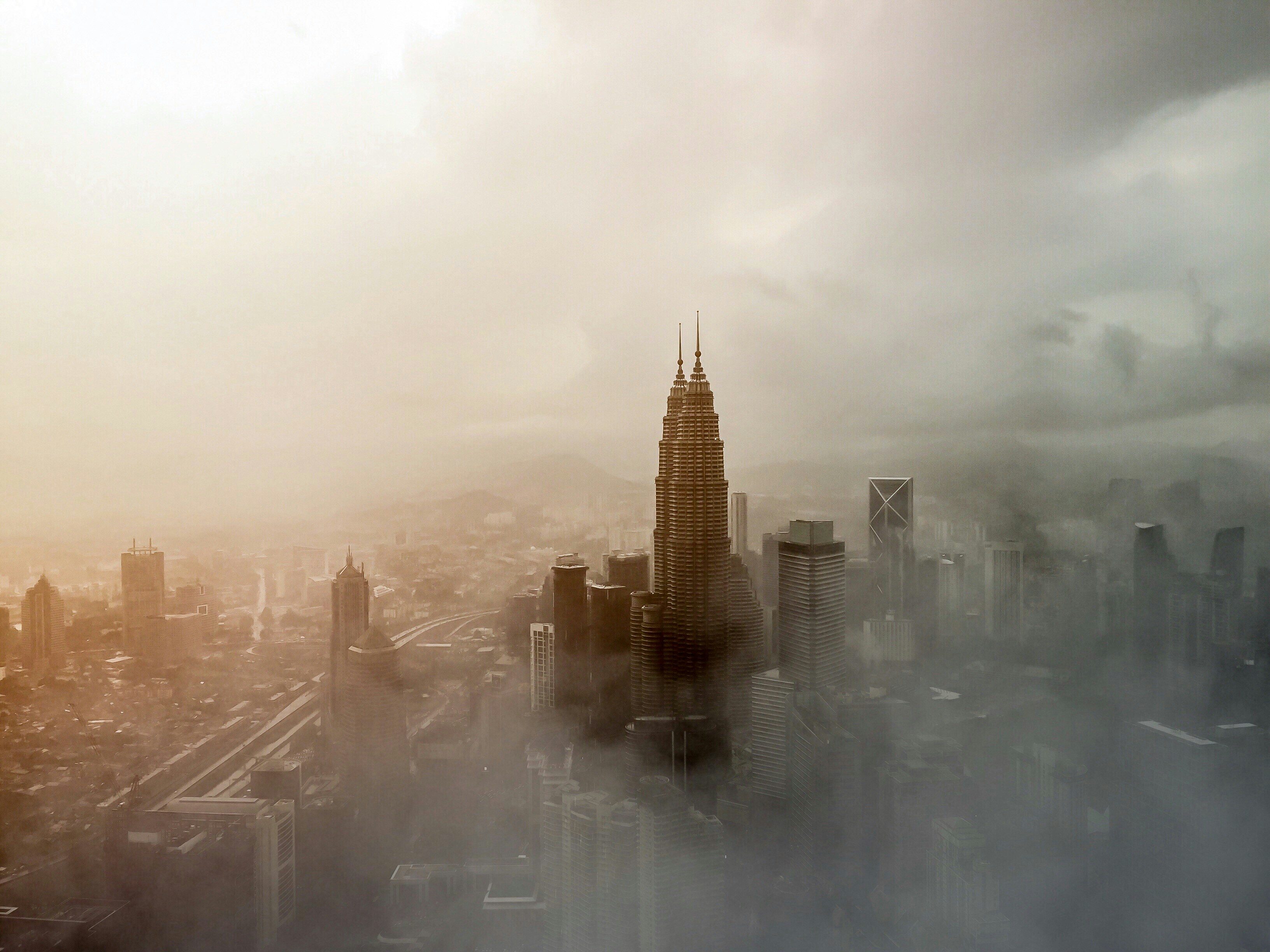
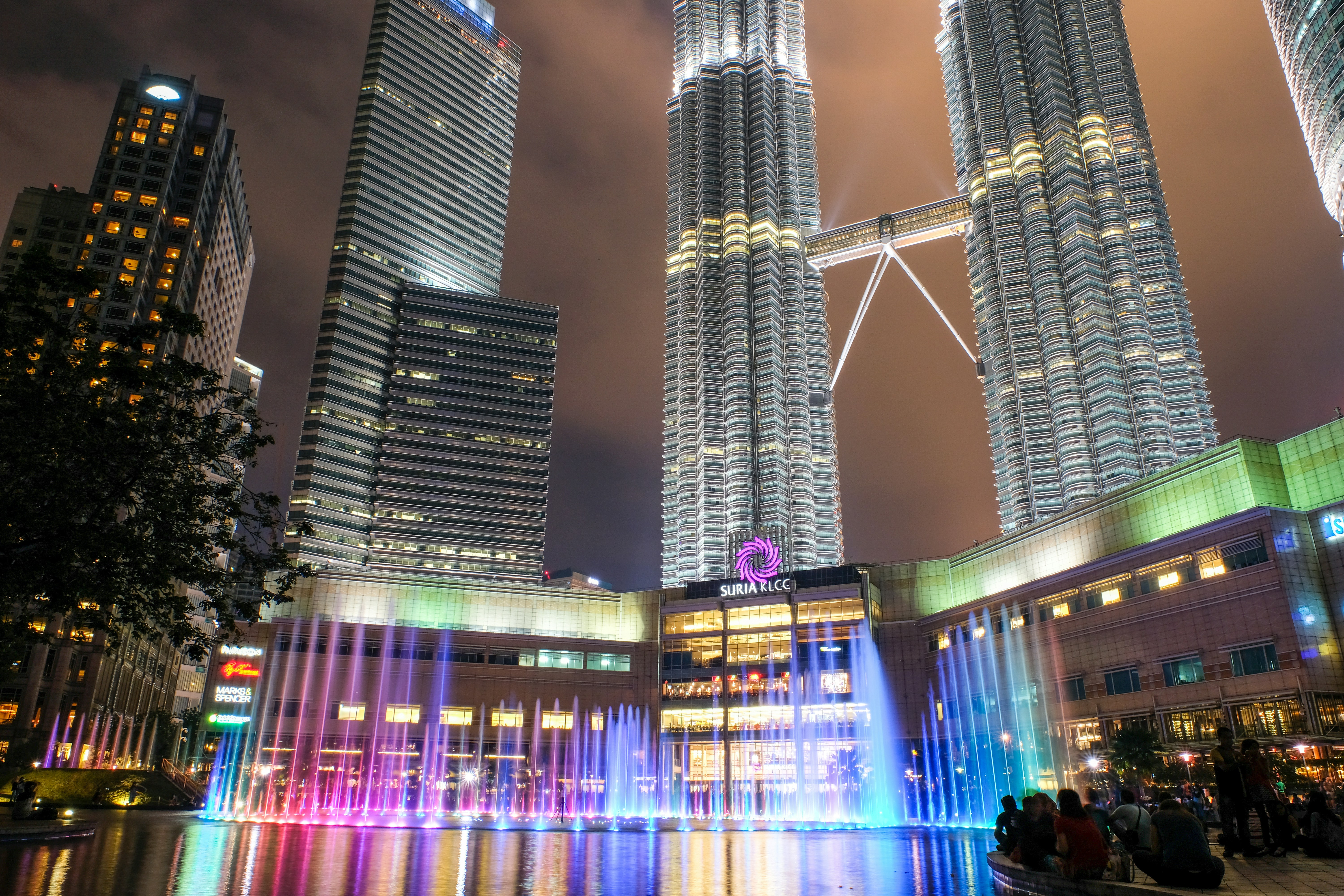
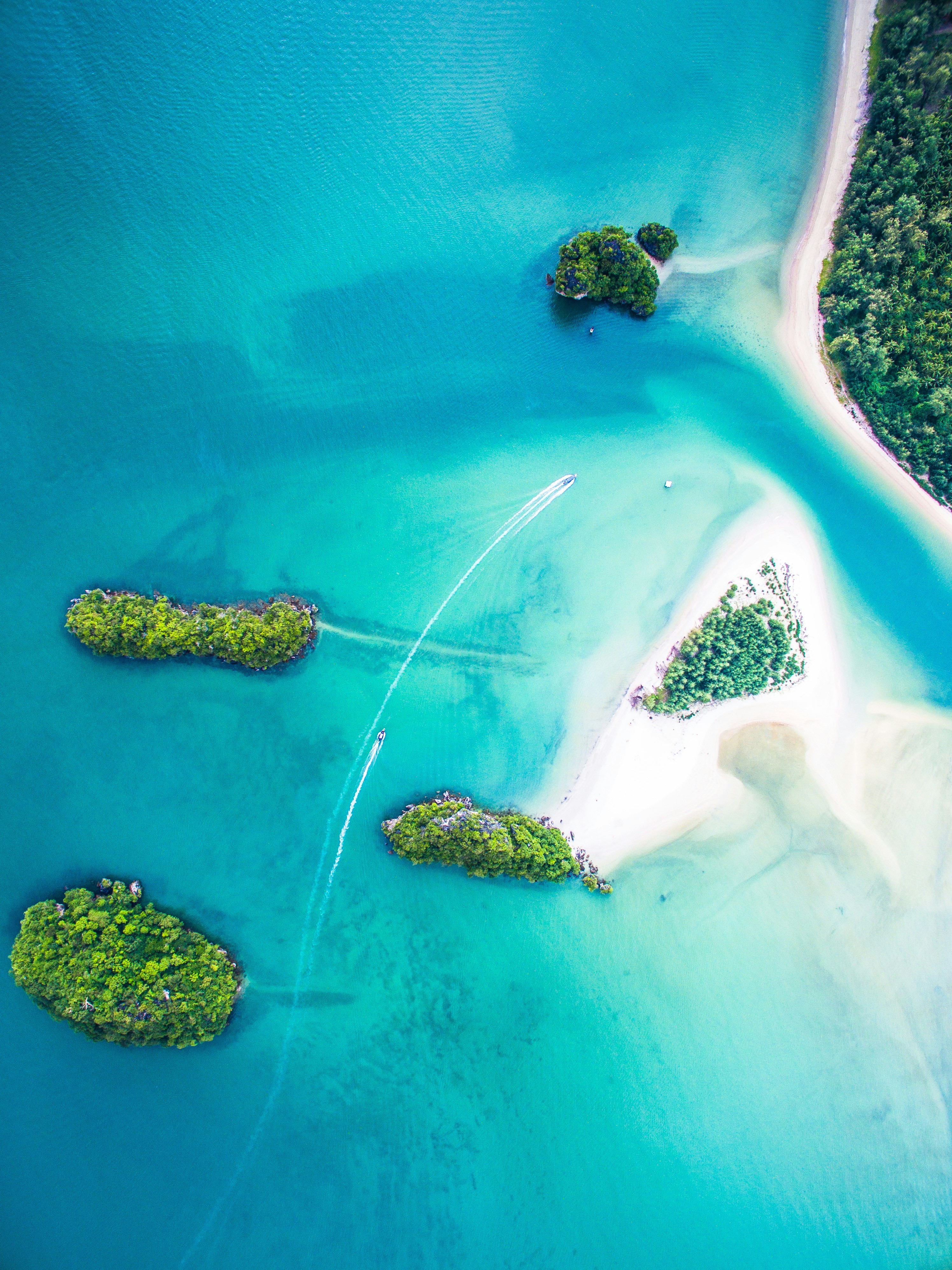
Must-see spots include the Petronas Twin Towers, Batu Caves, and the UNESCO World Heritage site of George Town in Penang. The island of Langkawi, with its pristine beaches and clear waters, is another popular destination for both locals and tourists.
The official language is Malay (Bahasa Malaysia), but English, Chinese dialects, and Tamil are also widely spoken, reflecting the country’s ethnic diversity.
Malaysia celebrates a variety of festivals including Hari Raya Aidilfitri, Chinese New Year, and Deepavali, showcasing its multicultural harmony. Each festival brings the community together with traditional attire, music, and cuisine.
Malaysia has a tropical climate, with high humidity and temperatures ranging from 77°F to 95°F (25°C to 35°C) year-round. The country experiences two monsoon seasons, which bring heavy rains to different regions at different times of the year.
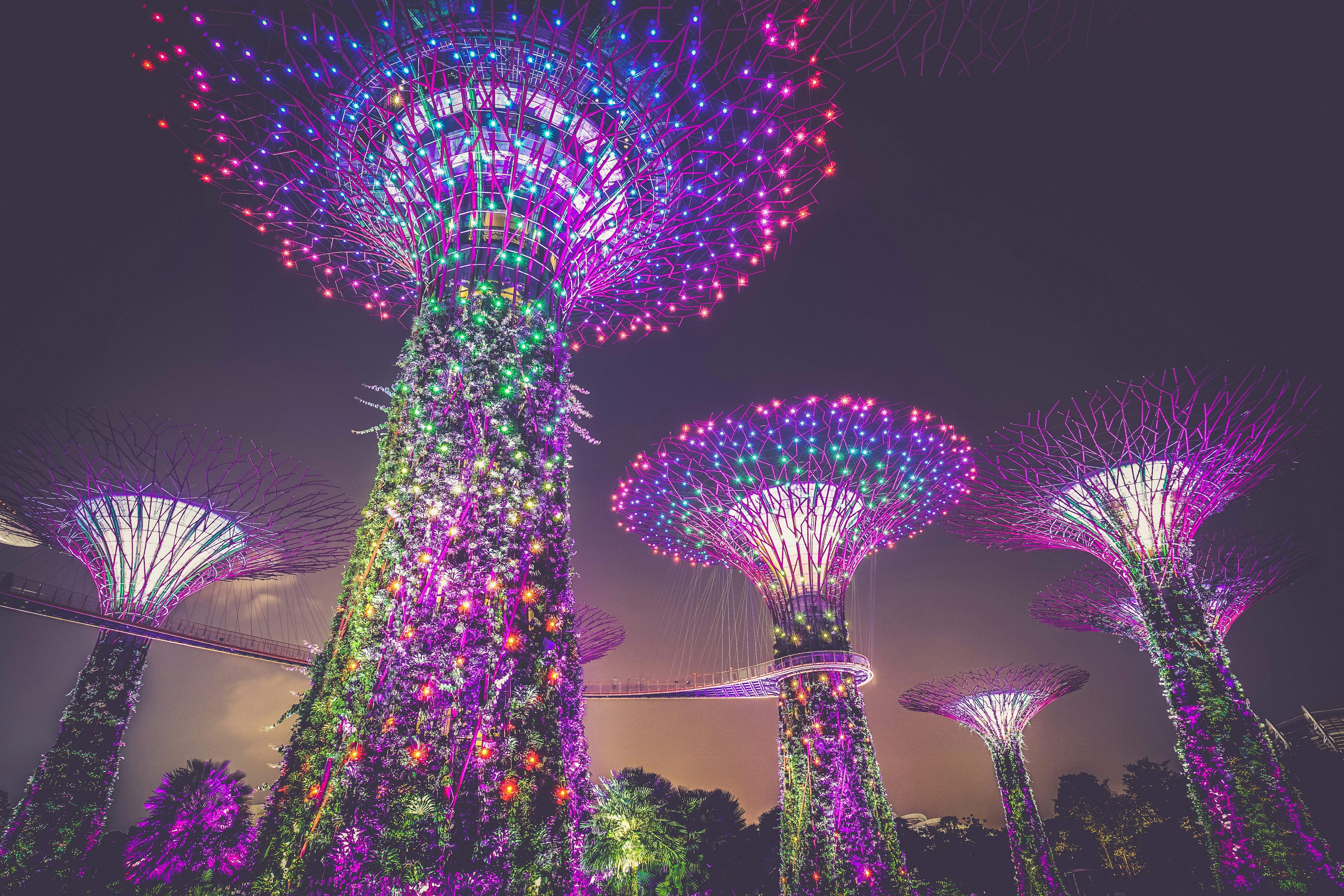
Singapore is a small, densely populated island nation in Southeast Asia, known for its modern skyline, clean streets, and lush parks like the Gardens by the Bay. Despite its urbanization, Singapore maintains a balance with nature through well-preserved green spaces and reservoirs.
A diverse society with influences from Malay, Chinese, Indian, and Western cultures, Singapore is known for its harmony and multiculturalism. The city-state’s cultural landscape is characterized by a blend of old and new, where traditional practices coexist with modern innovation.
Singaporean food is world-renowned, with hawker centers offering dishes like Hainanese Chicken Rice, Laksa, and Chili Crab. The country’s culinary scene reflects its multicultural society, making it a paradise for food lovers.
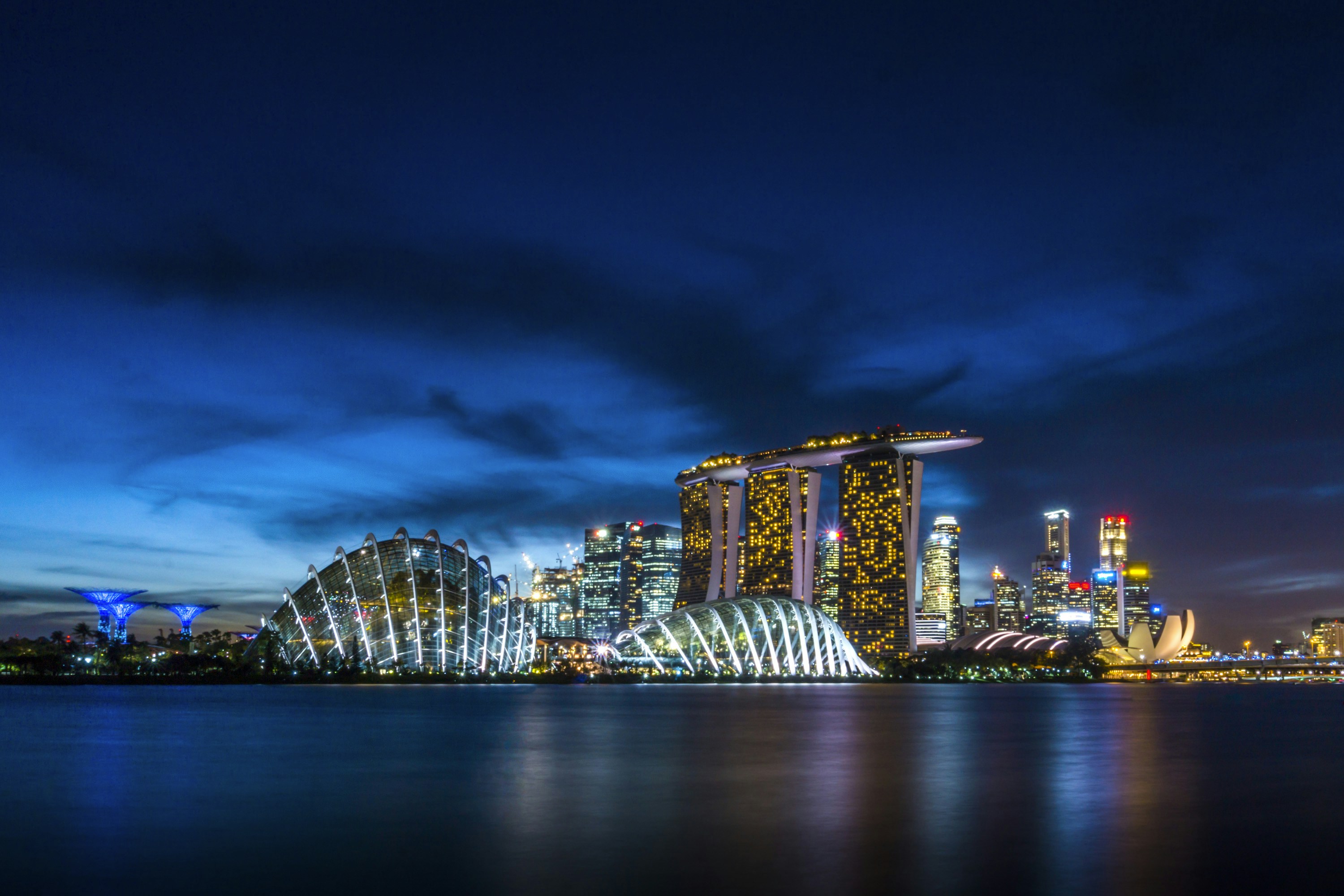
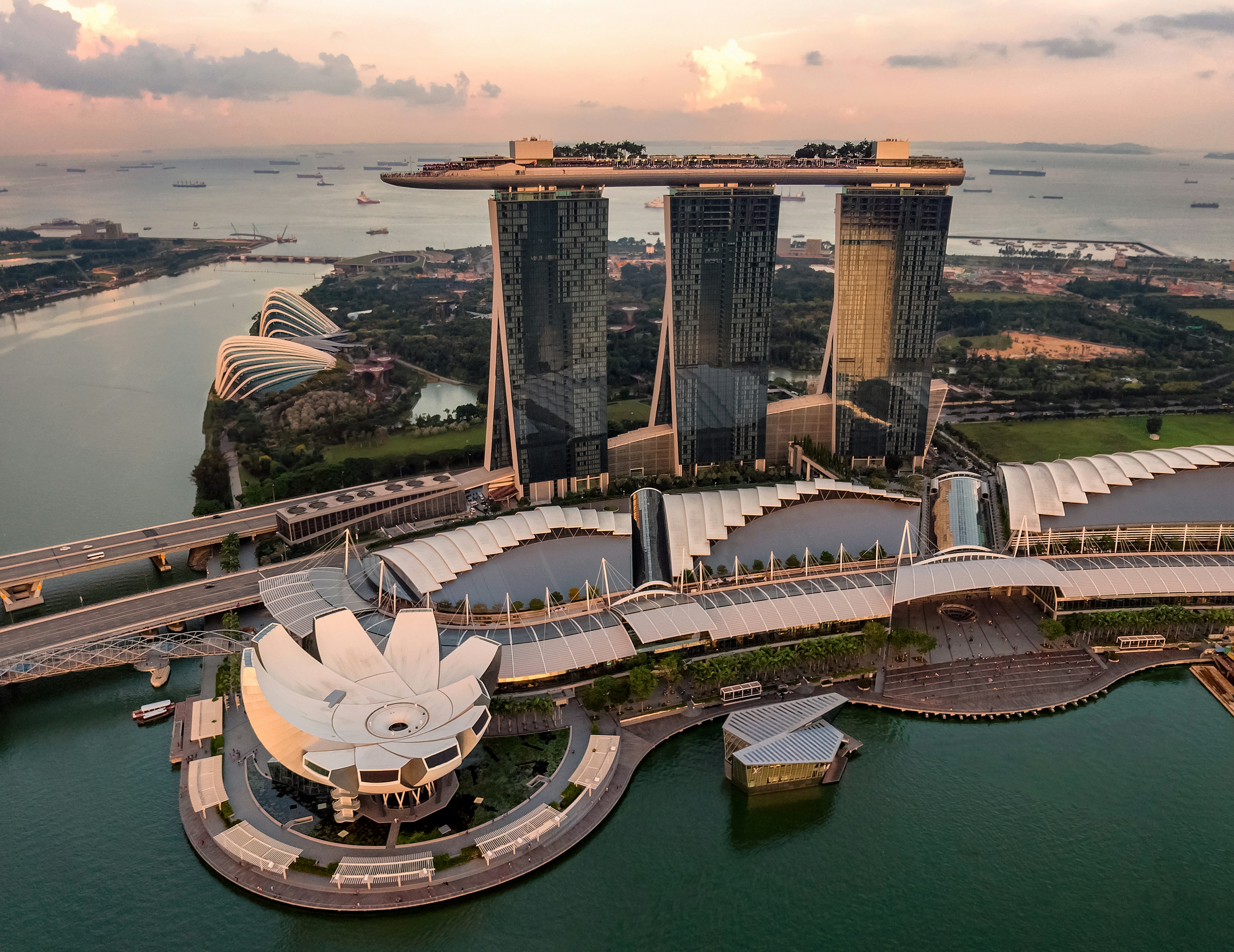
Iconic landmarks include Marina Bay Sands, Sentosa Island, and the historic Chinatown district. The Merlion statue and the futuristic Supertree Grove at Gardens by the Bay are also must-visit attractions.
Singapore has four official languages: English, Malay, Mandarin, and Tamil. English is the primary language used in business and government, while the other languages reflect the major ethnic groups.
Festivals in Singapore include Chinese New Year, Hari Raya Puasa, Deepavali, and Vesak Day. Each festival is celebrated with vibrant parades, traditional music, and delicious food, reflecting the country’s cultural diversity.
Singapore has a tropical rainforest climate, with no distinct seasons. The country experiences consistent warm and humid weather throughout the year, with temperatures averaging between 77°F to 89°F (25°C to 32°C).
China is a vast country with diverse landscapes ranging from the deserts of the northwest to the subtropical forests of the south. The country is home to the Himalayan range, the Yangtze River, and the expansive Gobi Desert.
China has a rich cultural heritage that dates back thousands of years. Confucianism, Taoism, and Buddhism have deeply influenced Chinese traditions, which are reflected in festivals, art, and daily life.
Chinese cuisine is diverse, with regional specialties like Peking Duck, Sichuan Hotpot, and Dim Sum. Each region has its own unique flavors and cooking techniques, making Chinese food one of the most varied in the world.
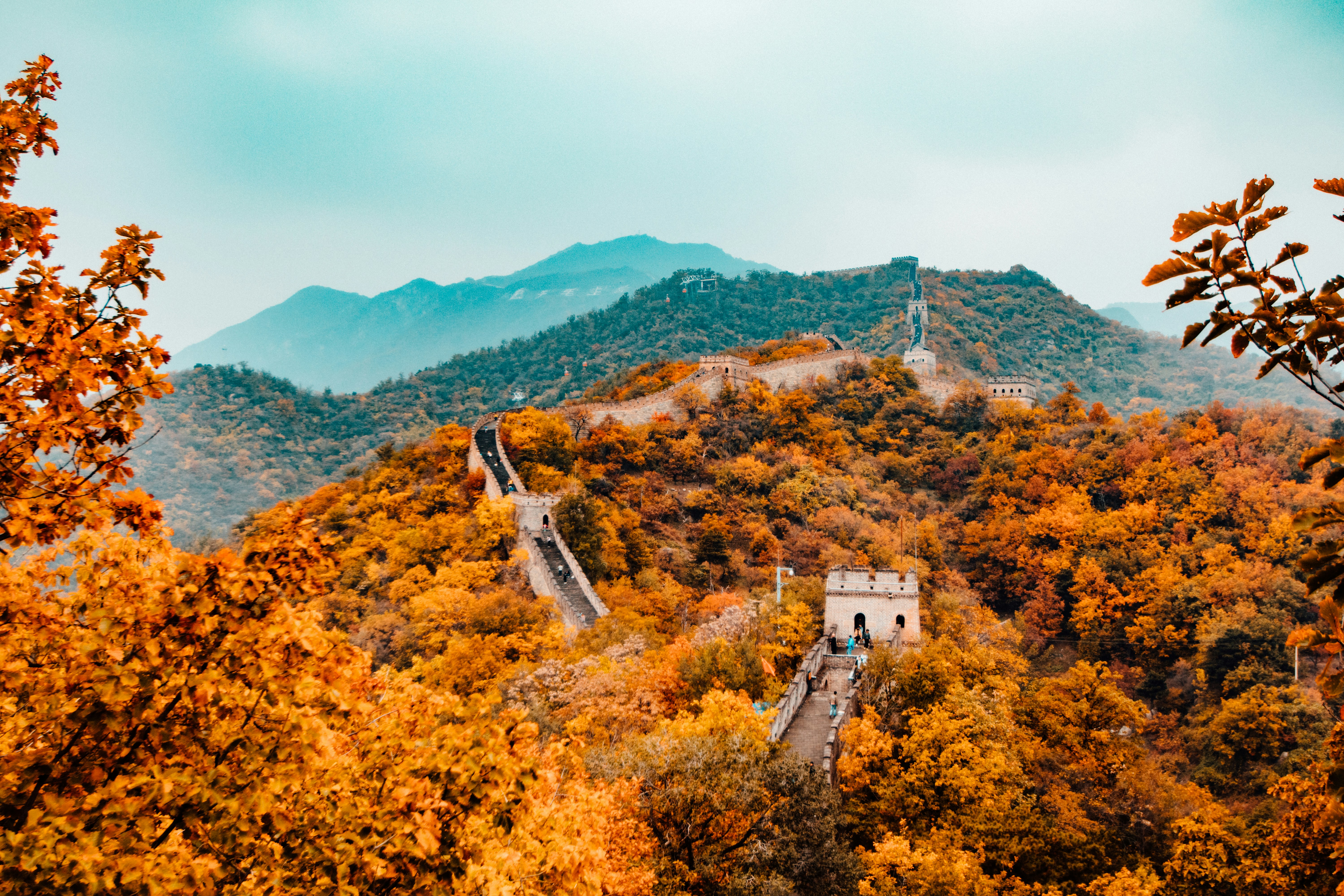
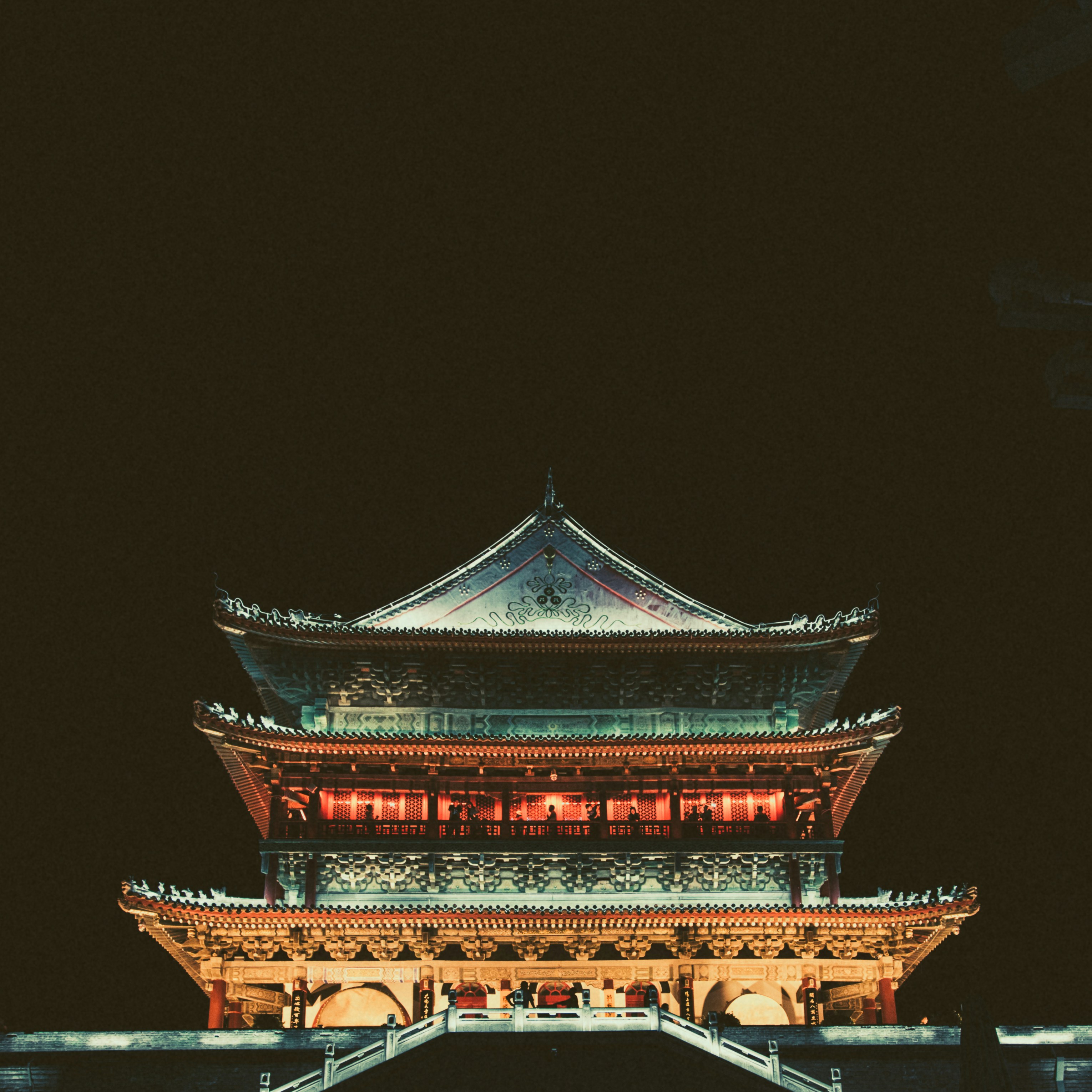
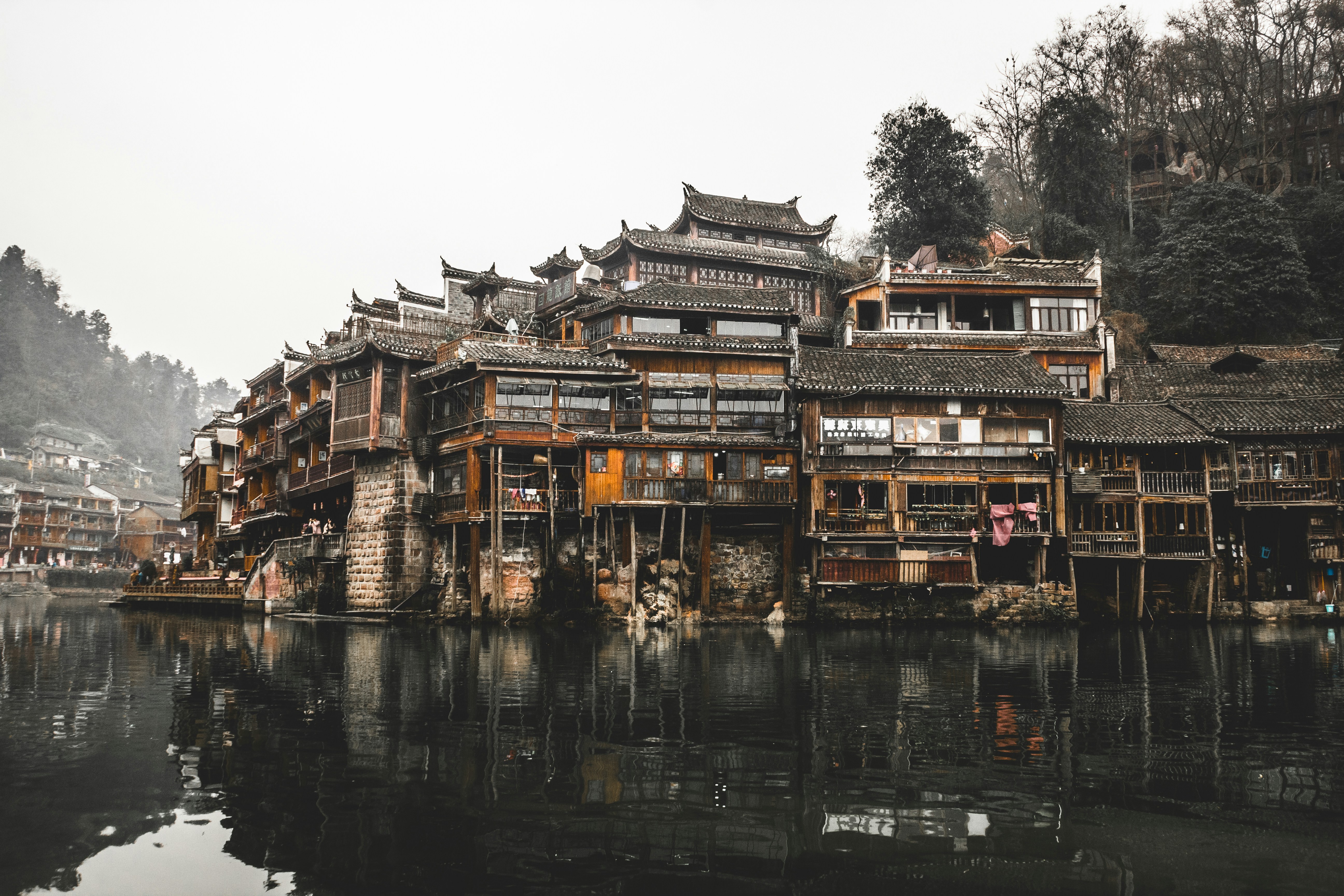
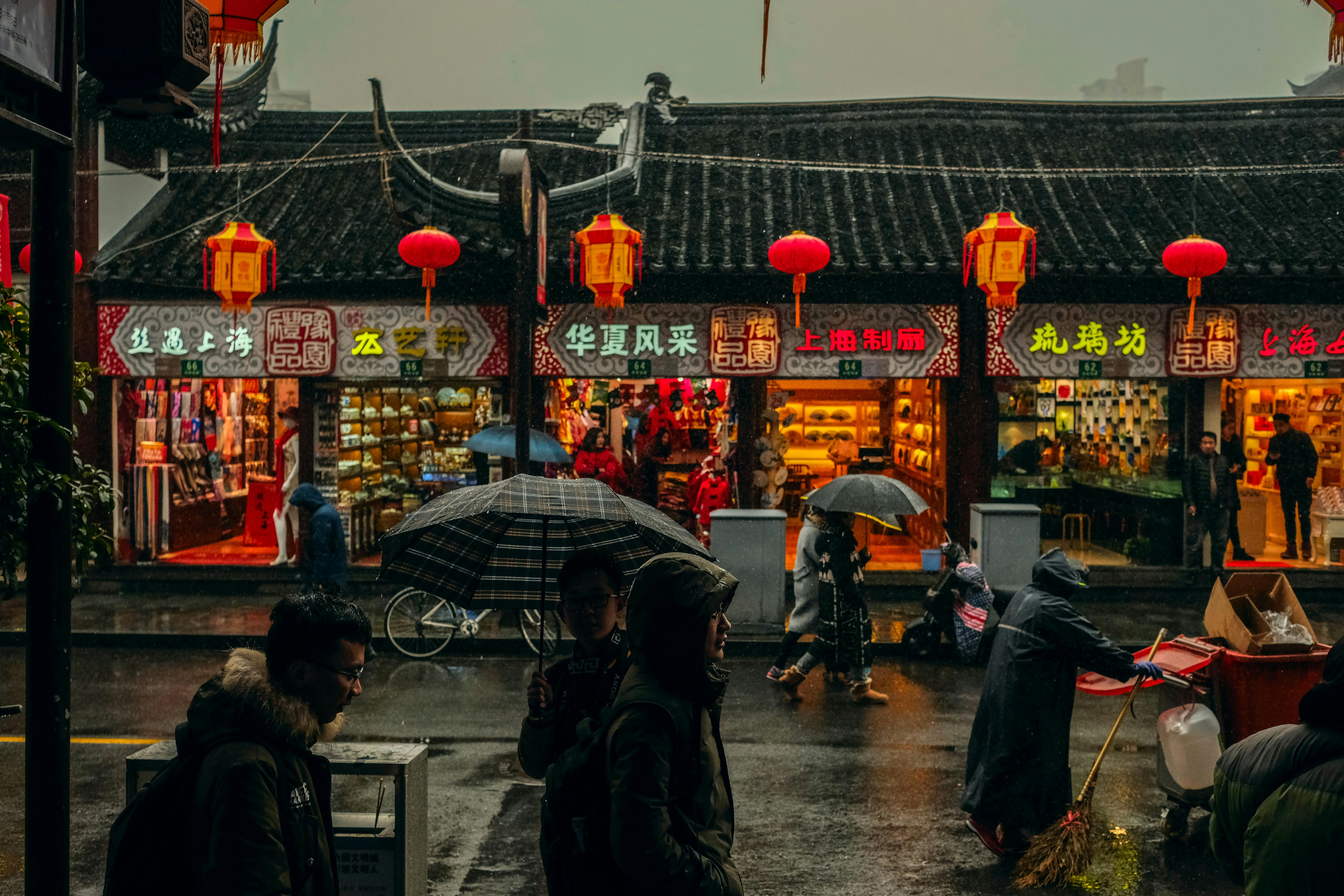
China is home to iconic landmarks such as the Great Wall, the Forbidden City, and the Terracotta Army. The modern cityscape of Shanghai and the natural beauty of Zhangjiajie National Forest Park are also popular destinations.
Mandarin Chinese is the official language, but numerous regional dialects and minority languages are spoken across the country, reflecting China’s ethnic diversity.
China celebrates several traditional festivals, including the Chinese New Year, Mid-Autumn Festival, and Dragon Boat Festival. These festivals are marked by family gatherings, traditional foods, and cultural performances.
China has a varied climate, ranging from the harsh winters of the north to the subtropical climate of the south. The country experiences four distinct seasons, with significant regional differences in temperature and precipitation.
Saudi Arabia is dominated by vast deserts, including the Rub' al Khali (Empty Quarter), the largest continuous sand desert in the world. The country also has mountain ranges along the western coast and a coastline along the Red Sea and the Arabian Gulf.
Saudi culture is deeply rooted in Islamic traditions. The country is known for its hospitality, traditional clothing like the thobe and abaya, and the importance of family and community in daily life.
Saudi cuisine is characterized by dishes like Kabsa (spiced rice with meat), Shawarma, and dates. The food reflects the country’s Bedouin heritage and the influence of neighboring Arab cuisines.
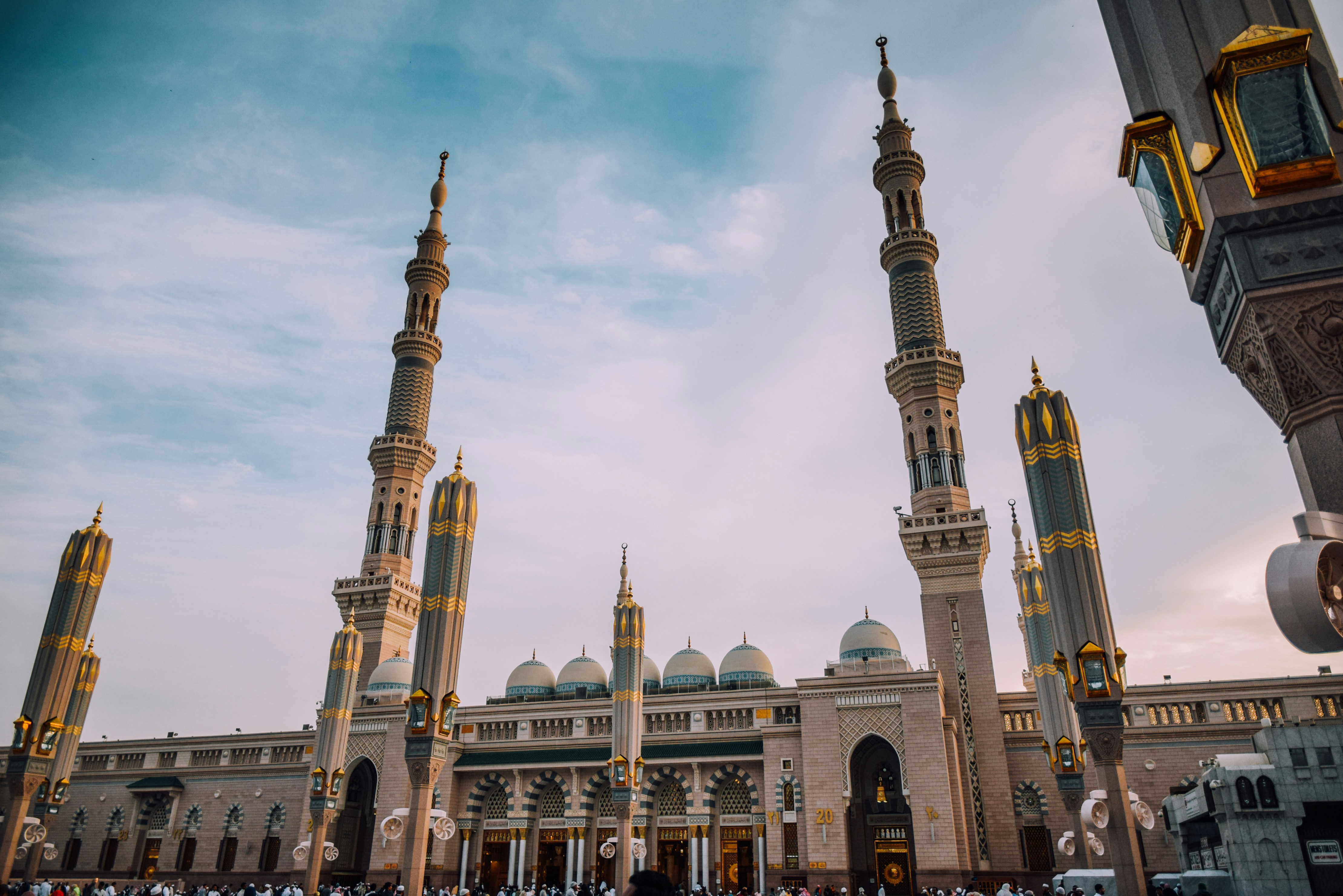
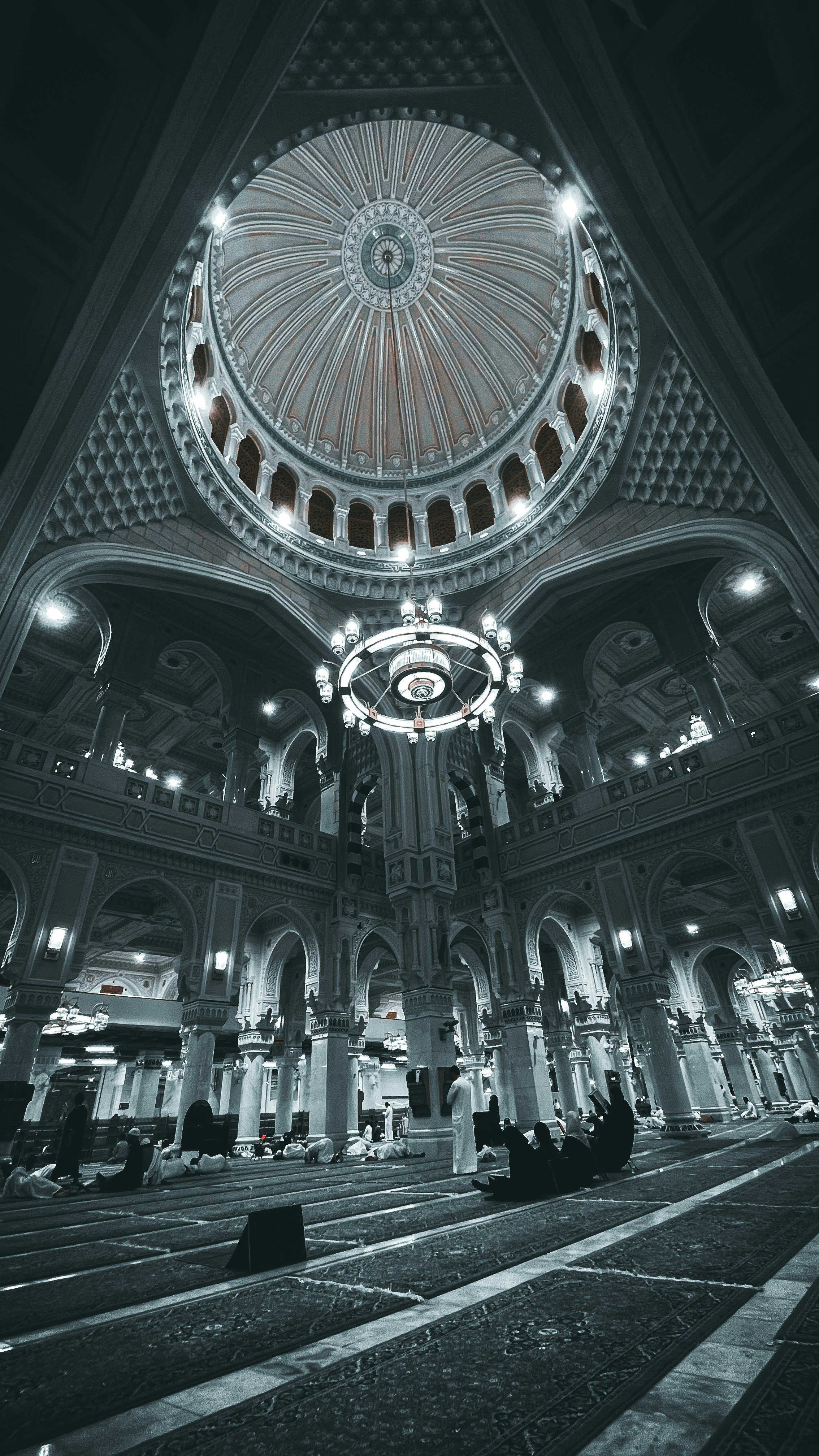
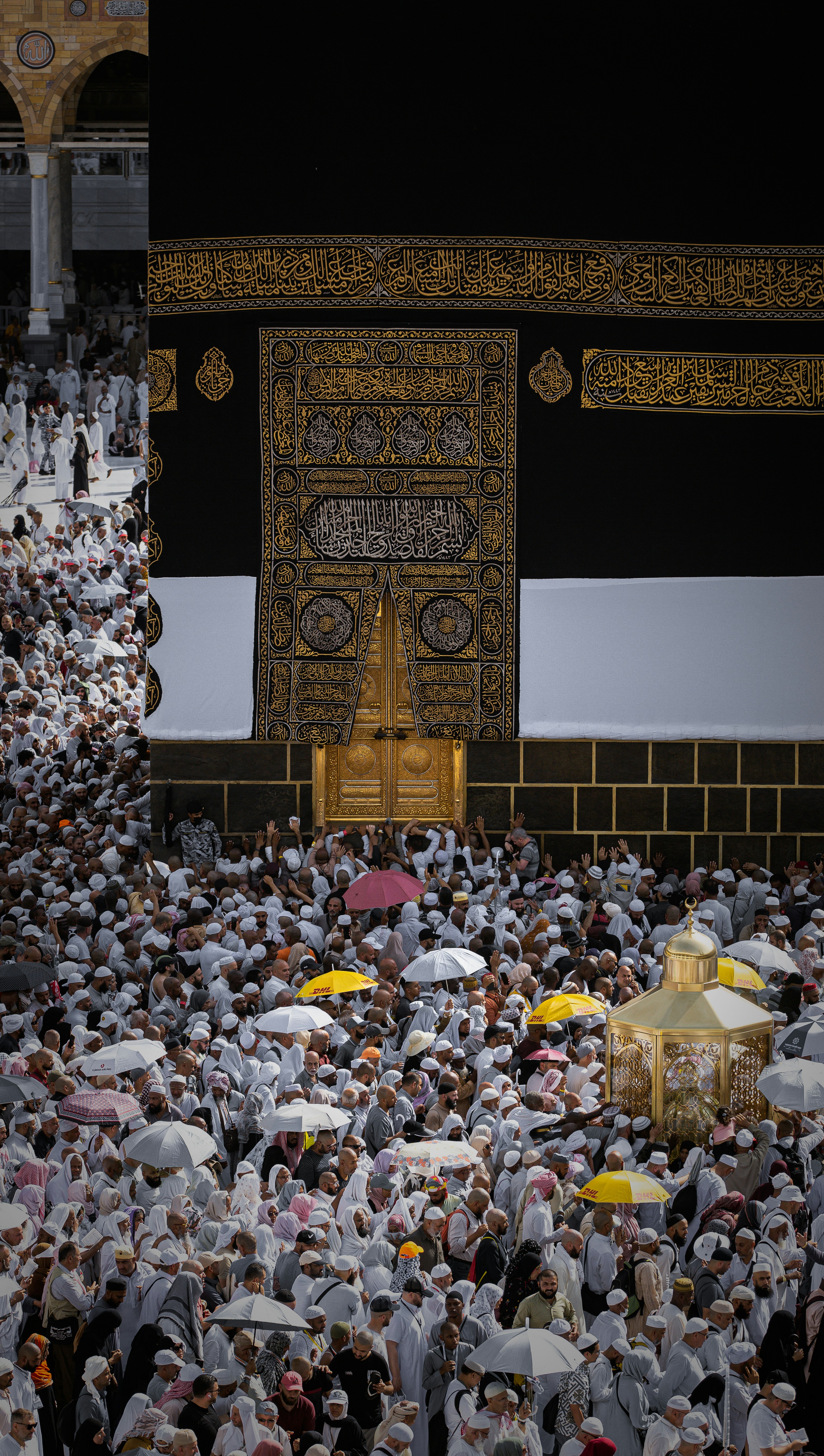
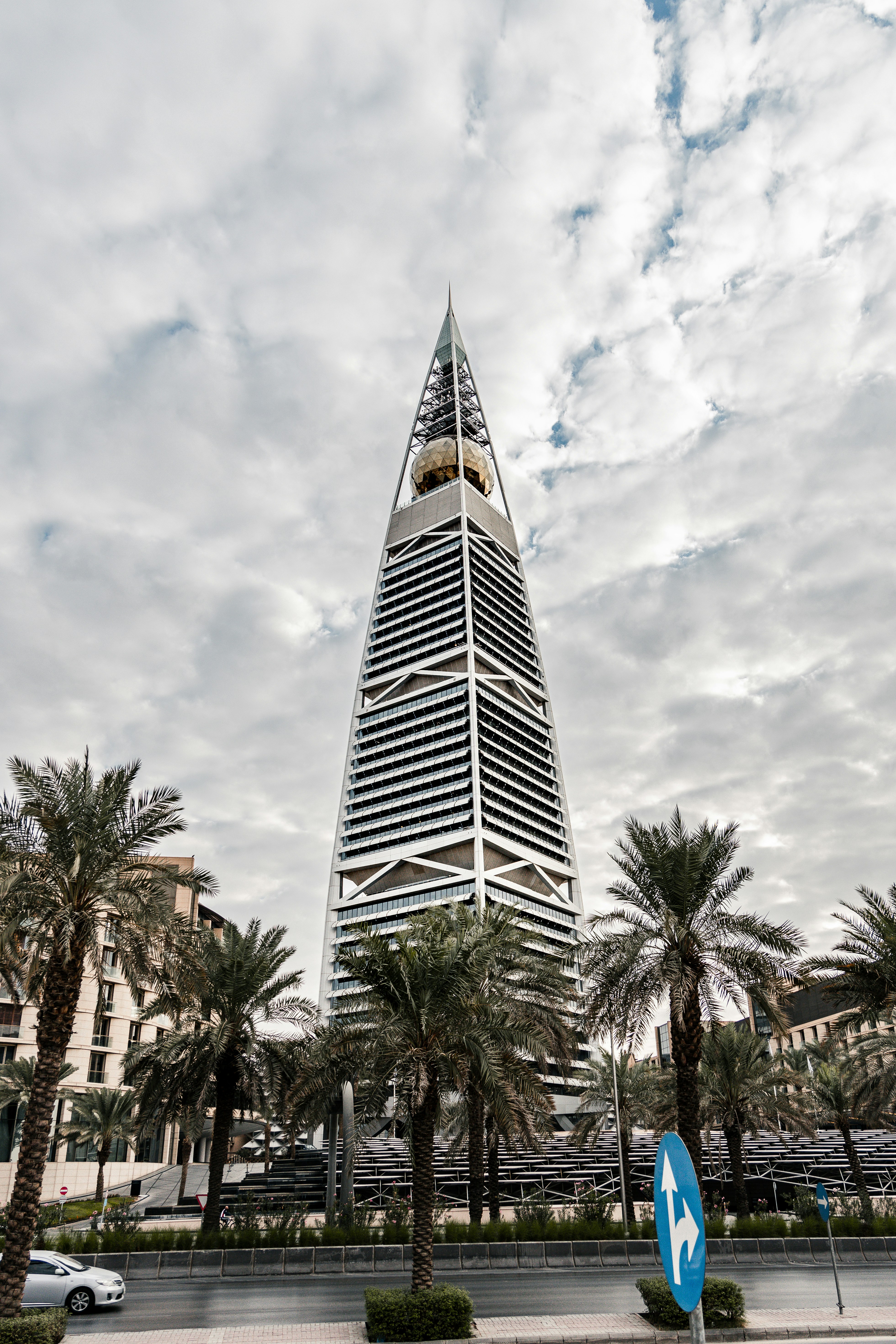
Key attractions include the holy cities of Mecca and Medina, the ancient Nabatean city of Al-Ula, and the modern capital, Riyadh. The Red Sea coast is also becoming a popular destination for its beaches and diving spots.
Arabic is the official language of Saudi Arabia, with different dialects spoken across the regions. English is also widely understood and used in business and education.
The most significant celebrations in Saudi Arabia are religious, including Eid al-Fitr and Eid al-Adha. The country also celebrates Saudi National Day on September 23rd, marking the unification of the Kingdom.
Saudi Arabia has a desert climate with extremely hot summers and mild winters. Temperatures in the summer can exceed 113°F (45°C), while winter temperatures can drop to 50°F (10°C) at night in the desert.
Turkey straddles both Europe and Asia, with diverse landscapes including beaches along the Mediterranean, the mountainous regions of Eastern Anatolia, and the arid plains of Central Anatolia. The country is also home to the famous Bosporus Strait, which separates the two continents.
Turkish culture is a blend of Eastern and Western influences, shaped by its Ottoman past and its position as a bridge between continents. Traditional music, dance, and handicrafts remain integral parts of Turkish life.
Turkish cuisine is famous for its rich flavors, with dishes like Kebabs, Baklava, and Mezes. Each region offers its own specialties, reflecting the country’s agricultural diversity and historical trade routes.
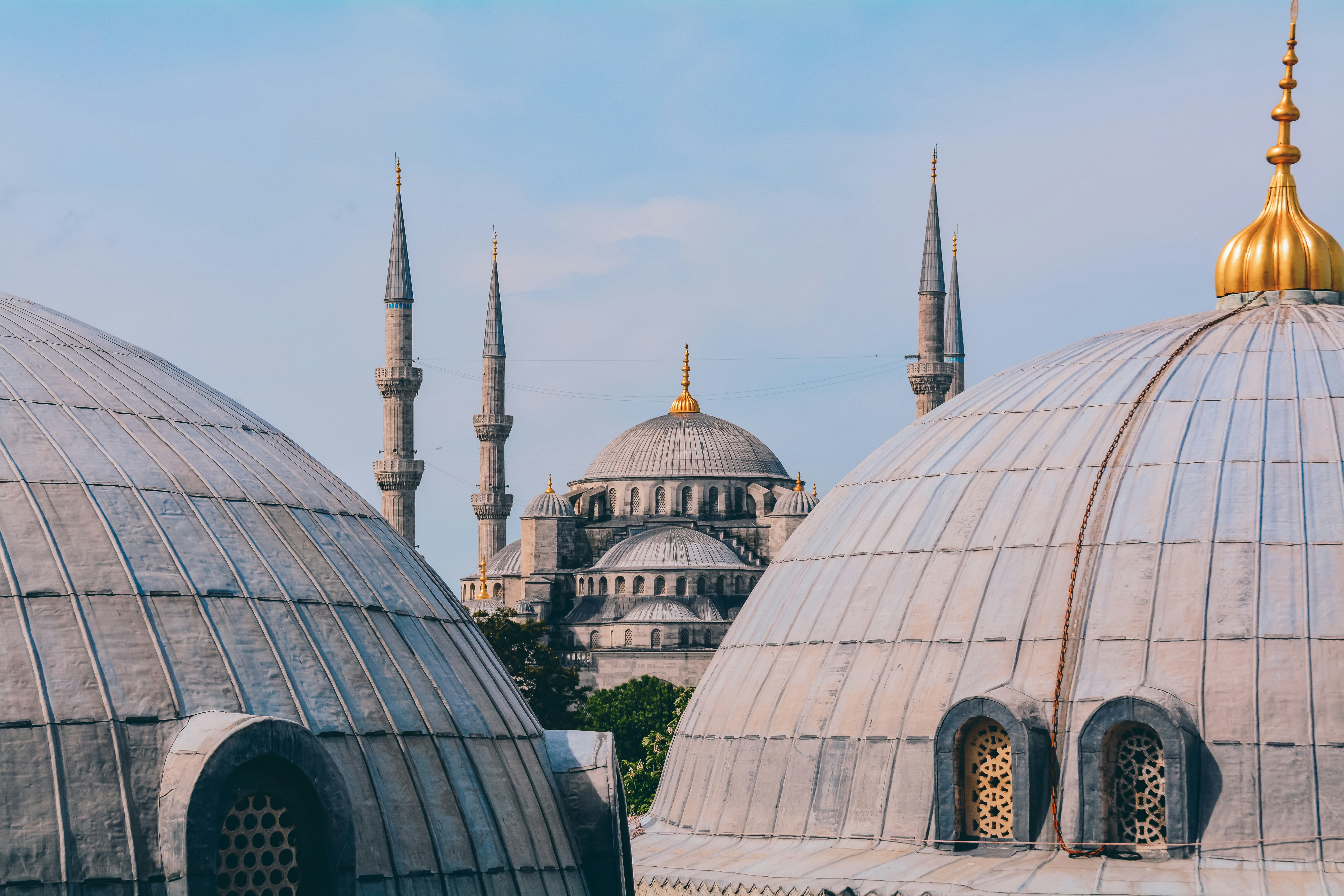
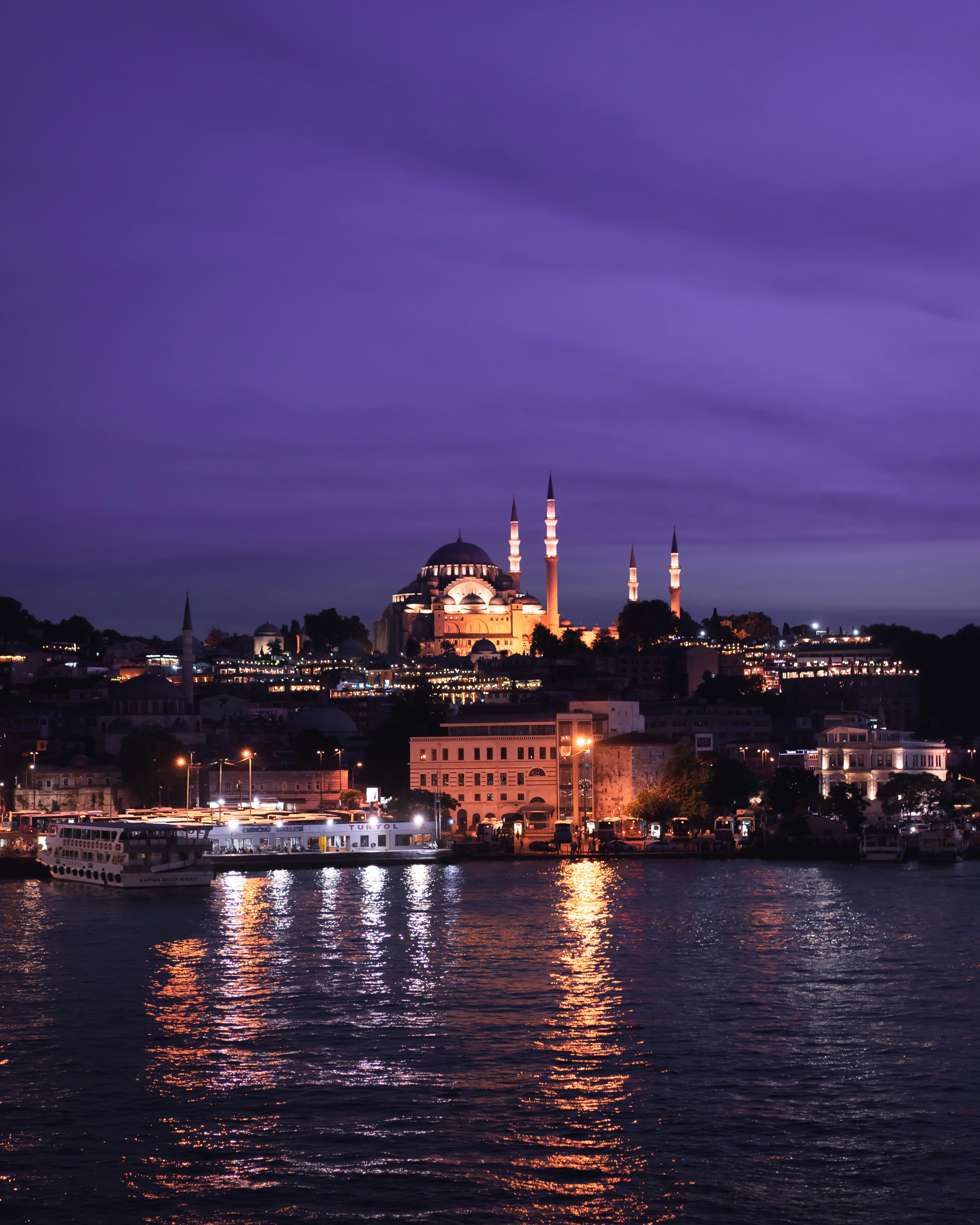
Istanbul’s Hagia Sophia, the fairy chimneys of Cappadocia, and the ancient ruins of Ephesus are among Turkey’s top attractions. The coastal cities of Antalya and Bodrum are also popular for their beaches and resorts.
The official language of Turkey is Turkish, with various dialects spoken across the country. Kurdish is also spoken by a significant minority, especially in the southeast.
Turkey celebrates national holidays like Republic Day and Victory Day, as well as religious festivals such as Ramadan and Eid. Traditional folk festivals, such as the Oil Wrestling Festival in Edirne, also play a significant role in Turkish culture.
Turkey has a diverse climate, ranging from Mediterranean along the coast to continental in the interior. Summers are hot and dry, while winters are cold with snow in the central and eastern regions.
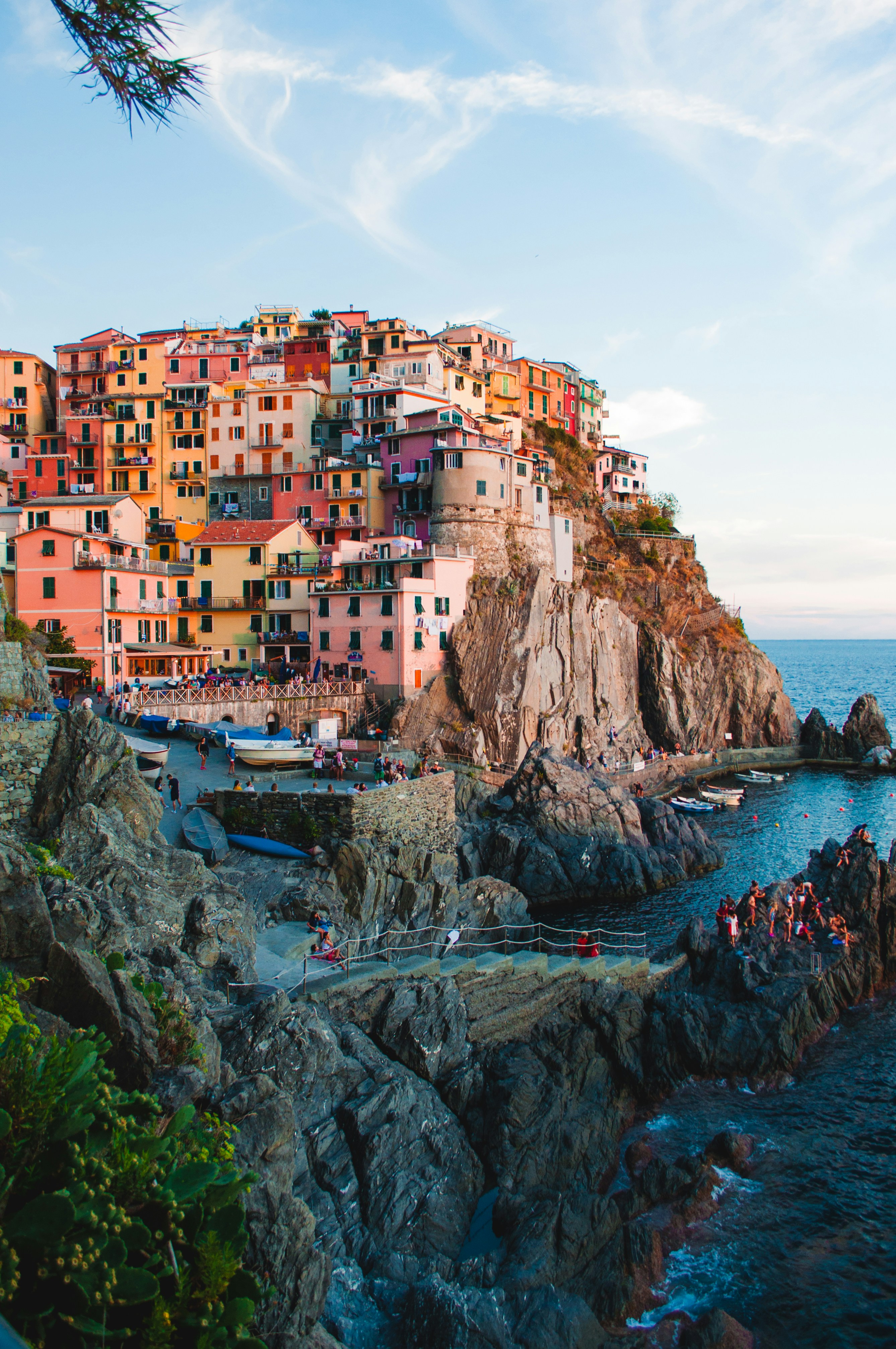
Italy is known for its picturesque landscapes, from the rolling hills of Tuscany to the rugged coastlines of the Amalfi Coast. The country’s geography includes mountains like the Alps and the Apennines, as well as fertile plains in the Po Valley.
Italy is the cradle of Western culture, known for its contributions to art, music, and fashion. Family, food, and religion are central to Italian life, with traditions passed down through generations.
Italian cuisine is world-famous, with dishes like Pizza, Pasta, and Risotto being global favorites. Each region has its own culinary specialties, making Italian food diverse and rich in flavors.
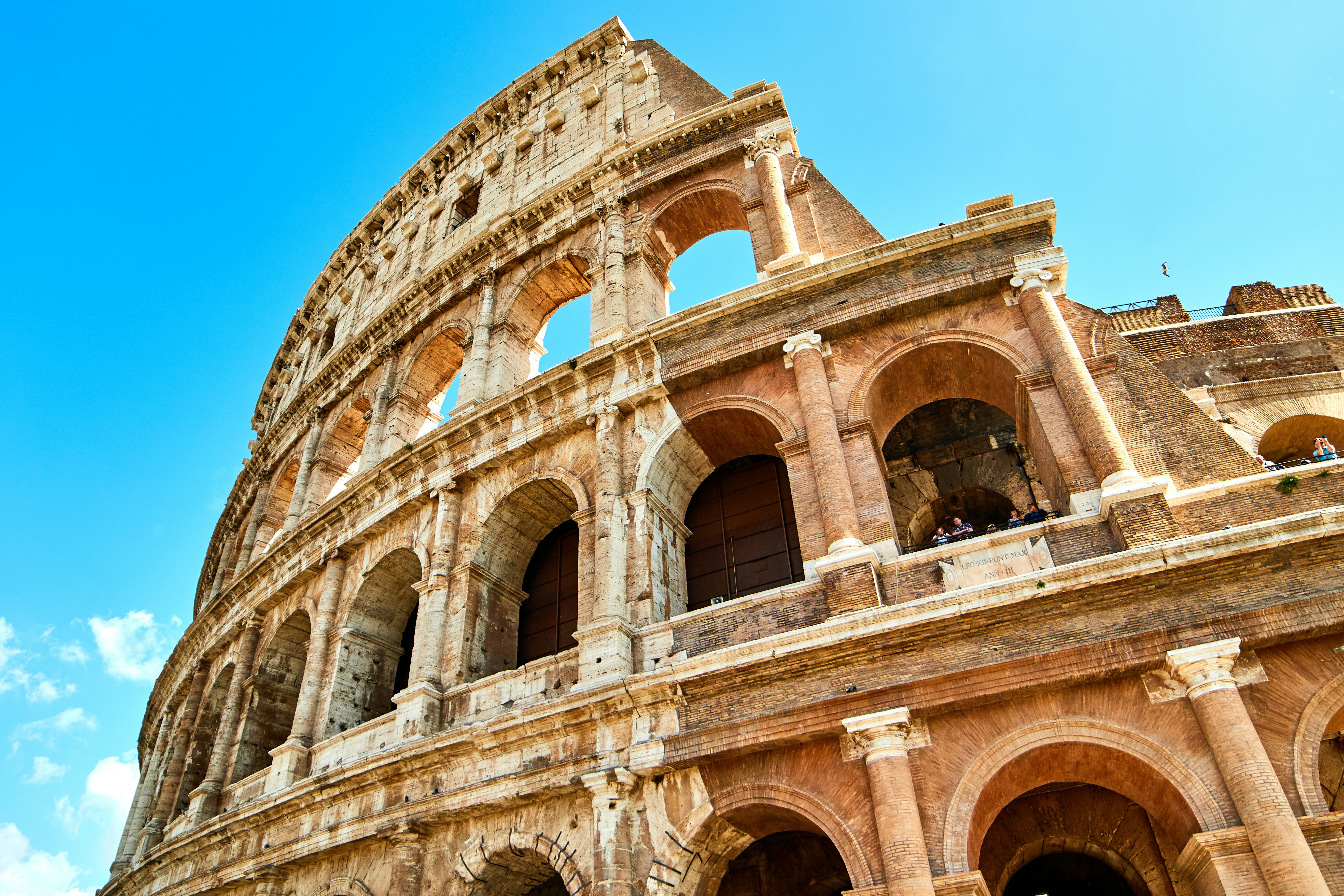
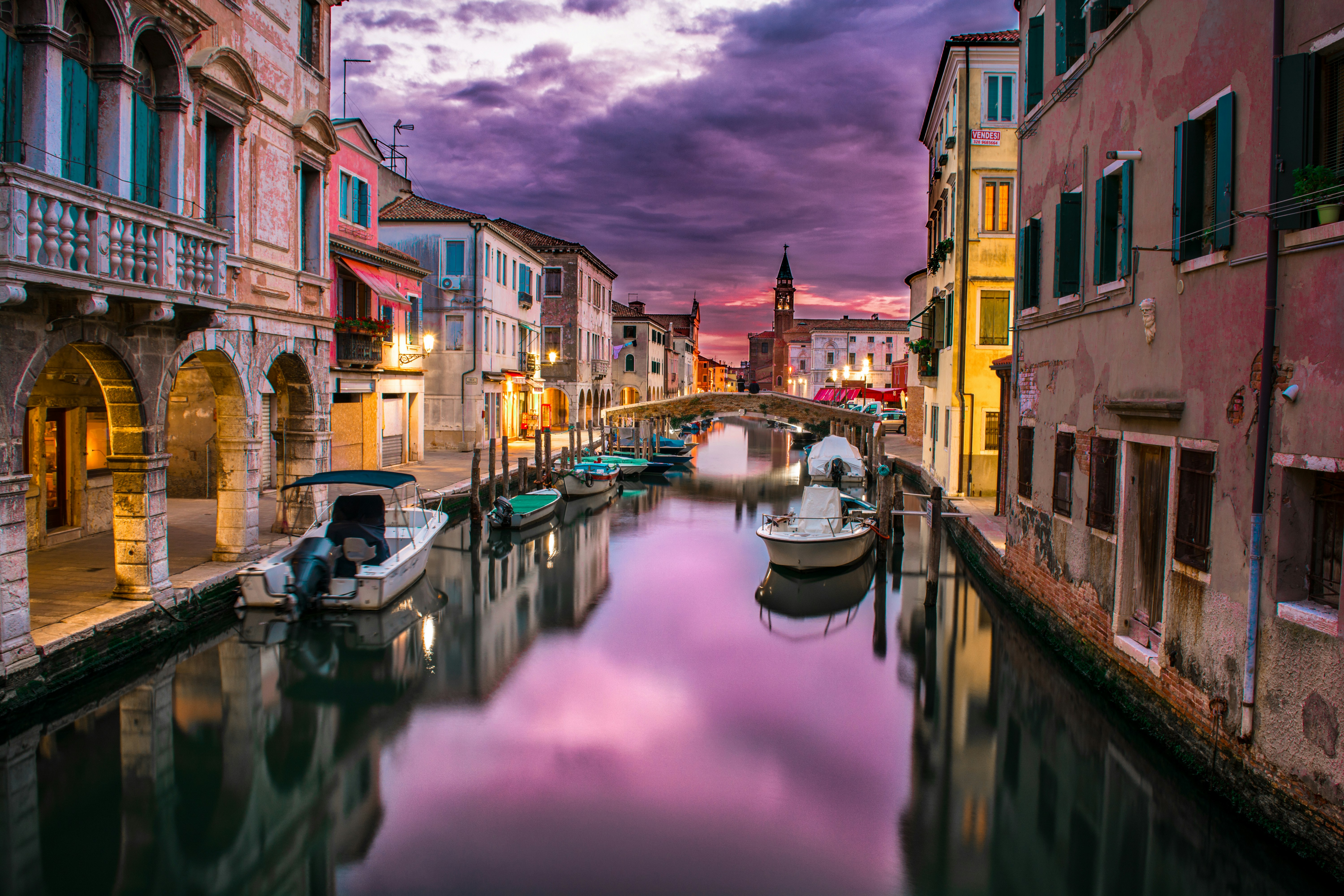
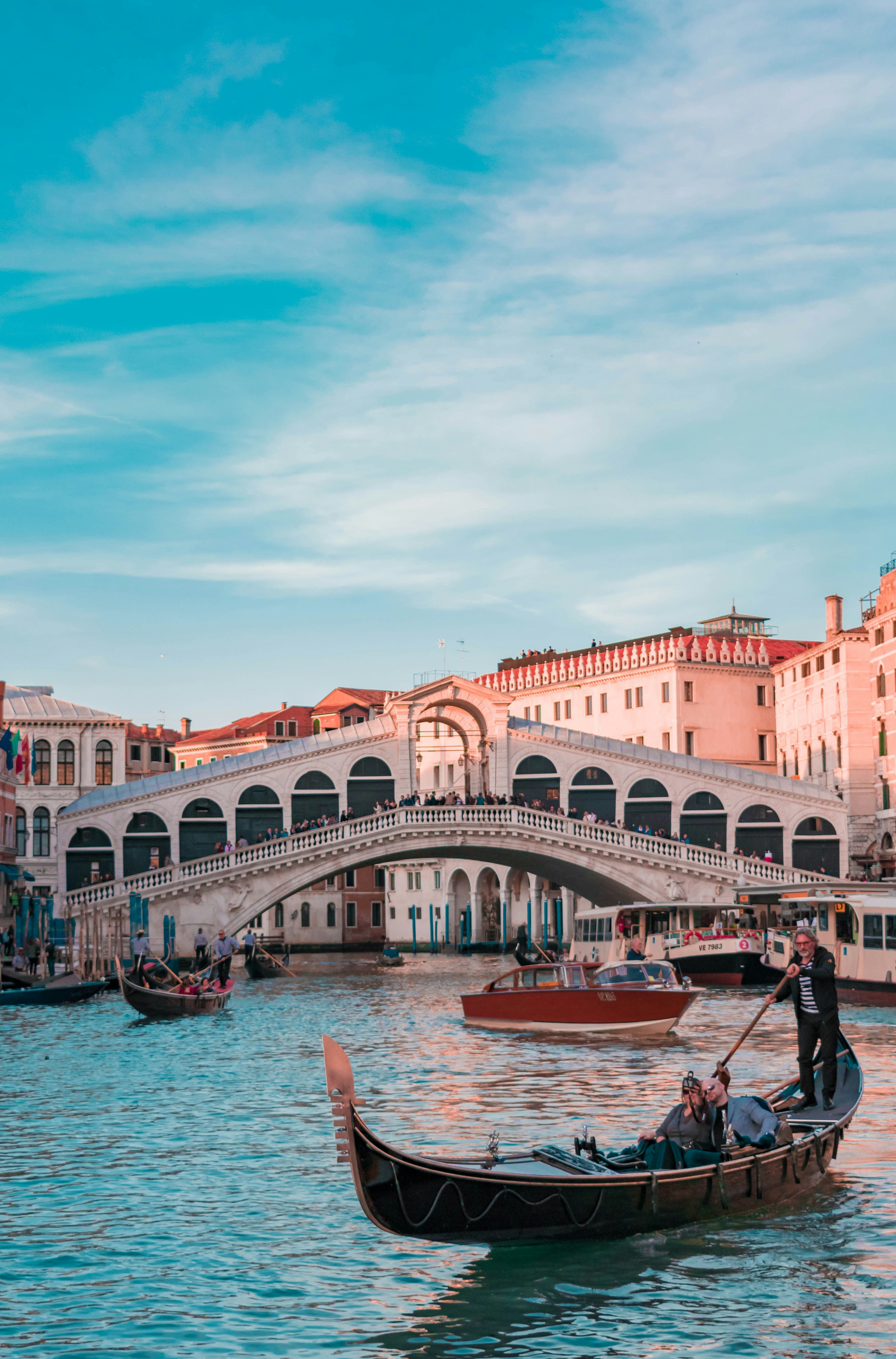
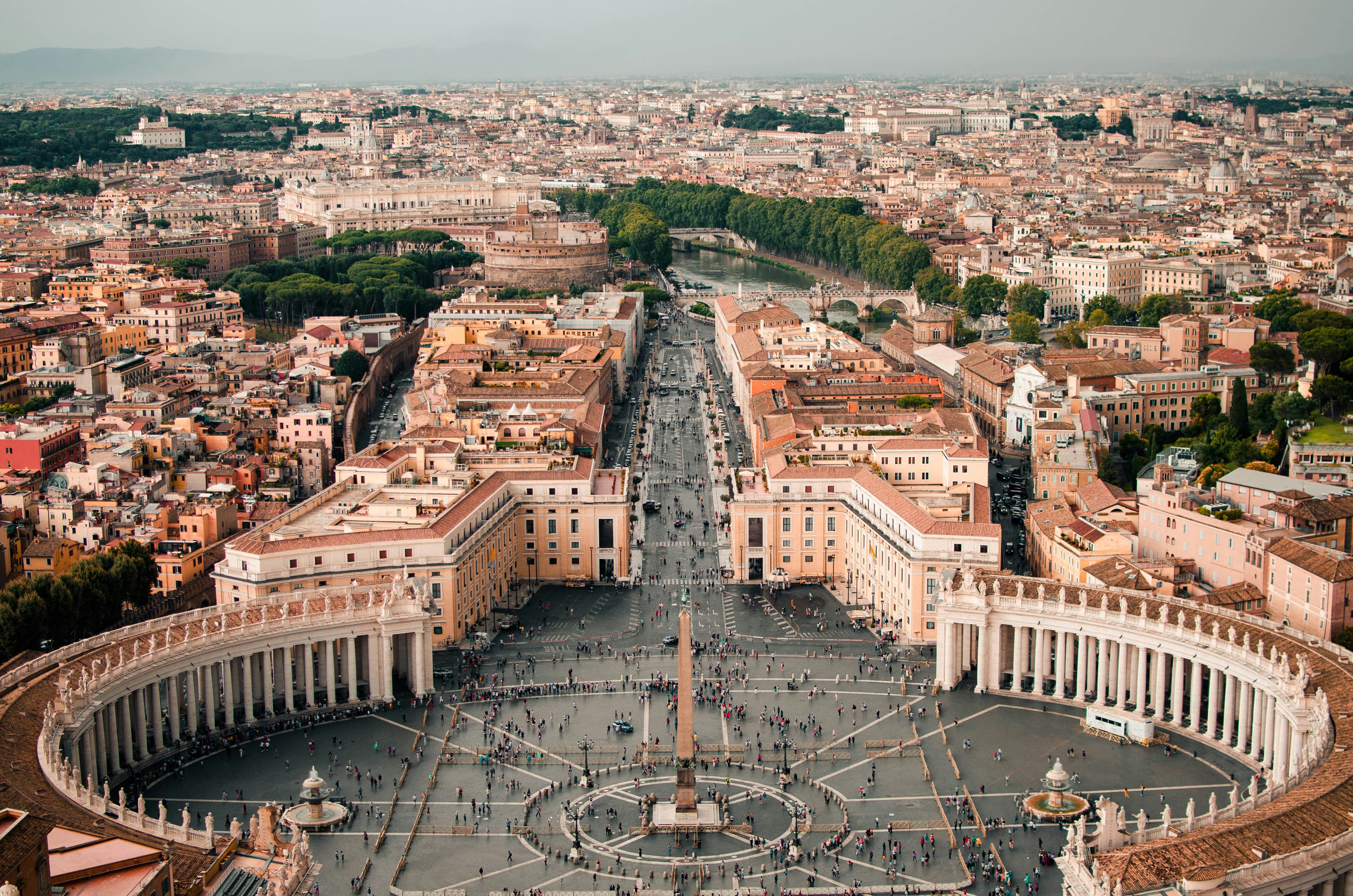
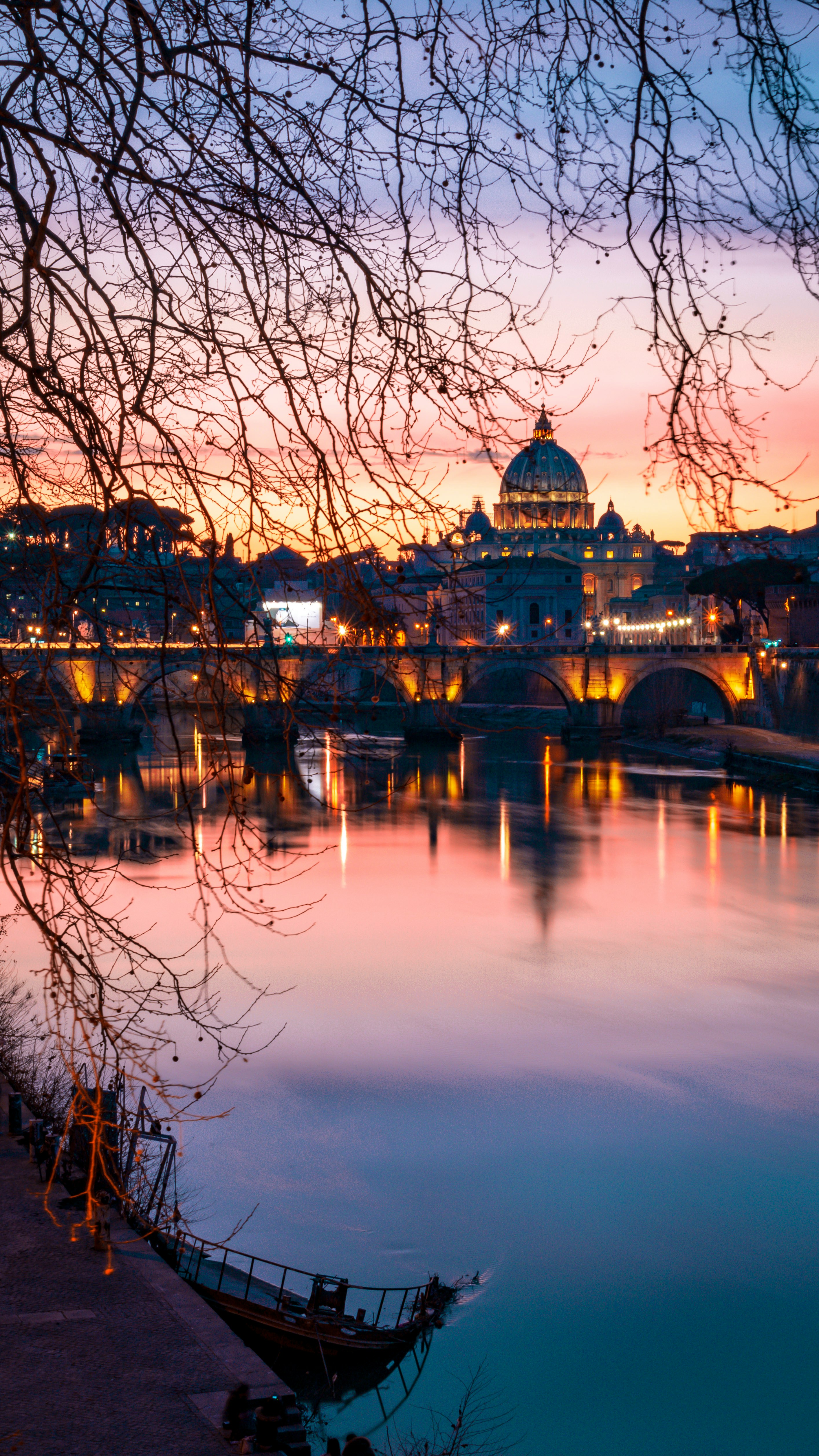
Iconic landmarks include the Colosseum in Rome, the canals of Venice, and the Leaning Tower of Pisa. The Vatican City, home to St. Peter’s Basilica and the Sistine Chapel, is also a major destination for visitors.
Italian is the official language, with regional dialects spoken across the country. Italian is also the language of opera, making it significant in the world of music and culture.
Italy celebrates various festivals, including Carnival, Christmas, and Easter. The country also has local festivals, such as the Palio di Siena, where historic traditions are celebrated with enthusiasm.
Italy has a Mediterranean climate, with hot, dry summers and mild, wet winters. The climate varies across the country, with the north experiencing colder winters, especially in the mountainous regions.
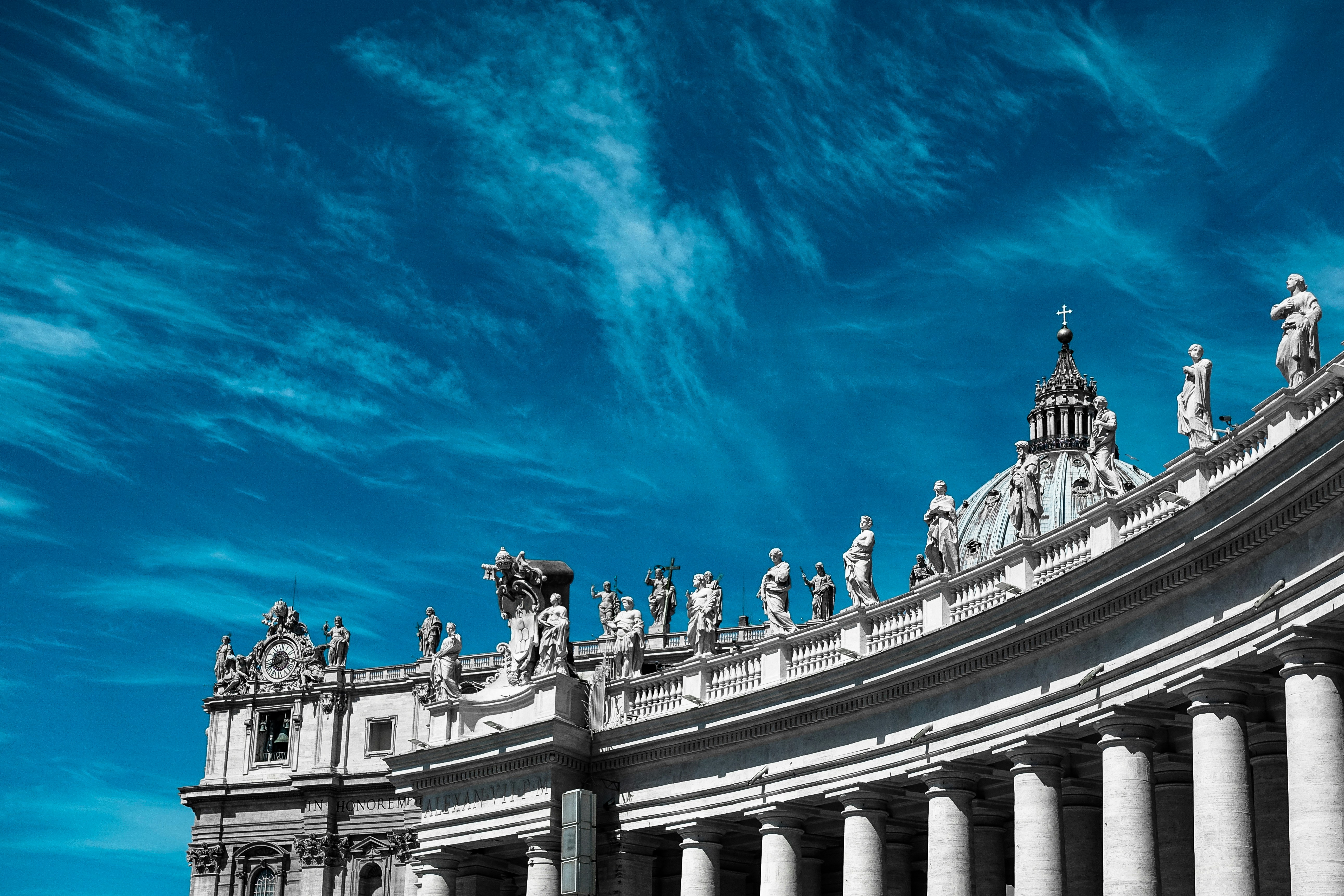
The Vatican City is the smallest independent state in the world, entirely surrounded by the city of Rome, Italy. It consists mainly of St. Peter's Basilica, the Apostolic Palace, and the Vatican Gardens.
The Vatican is the spiritual and administrative center of the Roman Catholic Church. It is steeped in religious tradition, with centuries-old rituals, ceremonies, and the Pope’s leadership.
The Vatican’s cuisine is similar to that of Rome, with Italian dishes like Pasta and Gelato being common. However, the food served within the Vatican often includes special preparations for religious observances.
St. Peter's Basilica, the Sistine Chapel, and the Vatican Museums, which house an extensive collection of art and historical artifacts, are major attractions. The Vatican also draws millions of pilgrims each year for papal audiences and blessings.
Latin is the official language of the Holy See, while Italian is widely spoken. Documents and religious texts are often published in Latin, reflecting the Vatican’s historical role in the Catholic Church.
Religious celebrations such as Easter, Christmas, and Pentecost are observed with great solemnity in the Vatican. These events include special masses, processions, and papal blessings.
The Vatican shares Rome’s Mediterranean climate, with hot, dry summers and mild, wet winters. The best time to visit is during the spring or fall, when the weather is pleasant, and the city is less crowded.
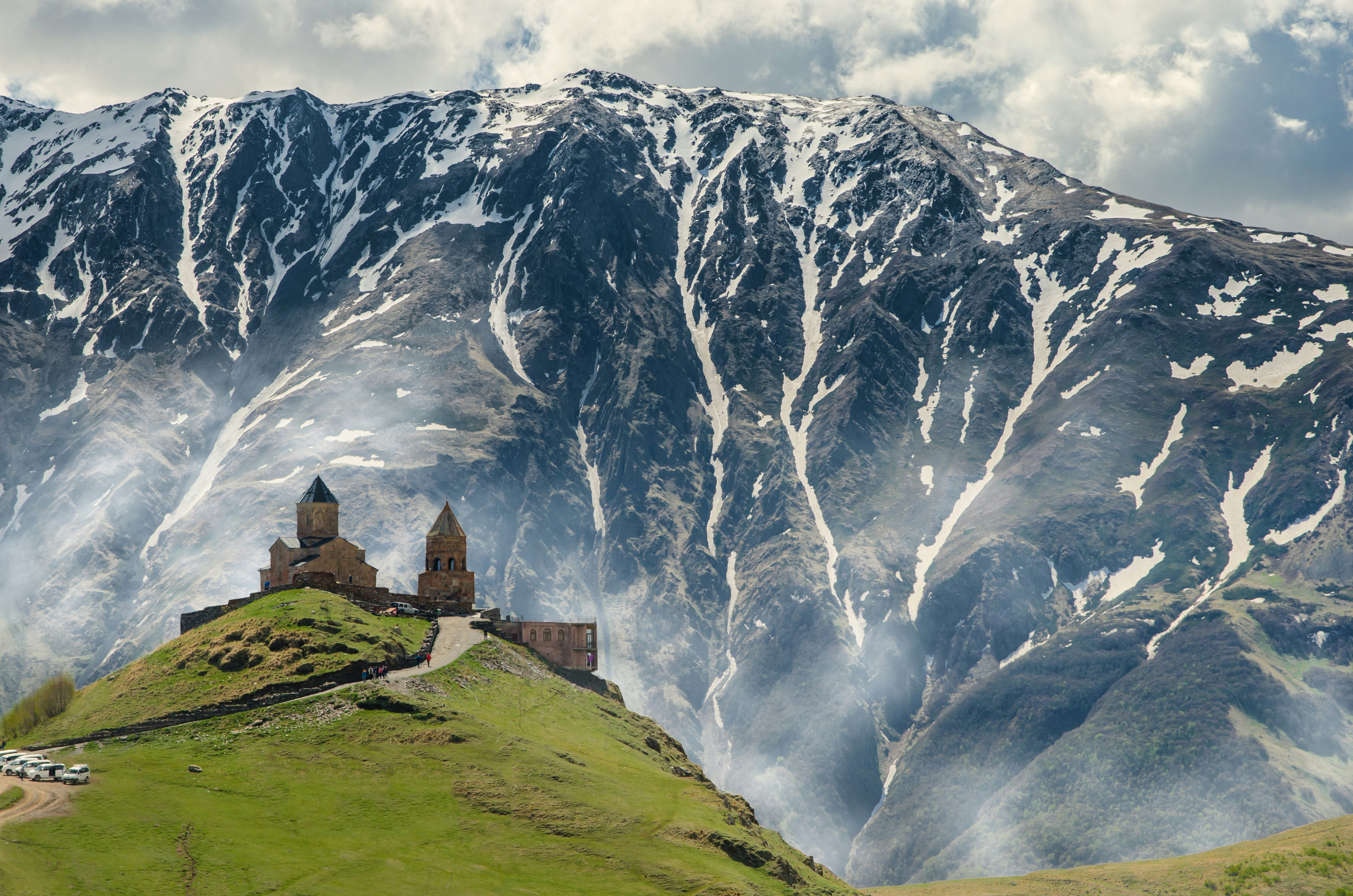
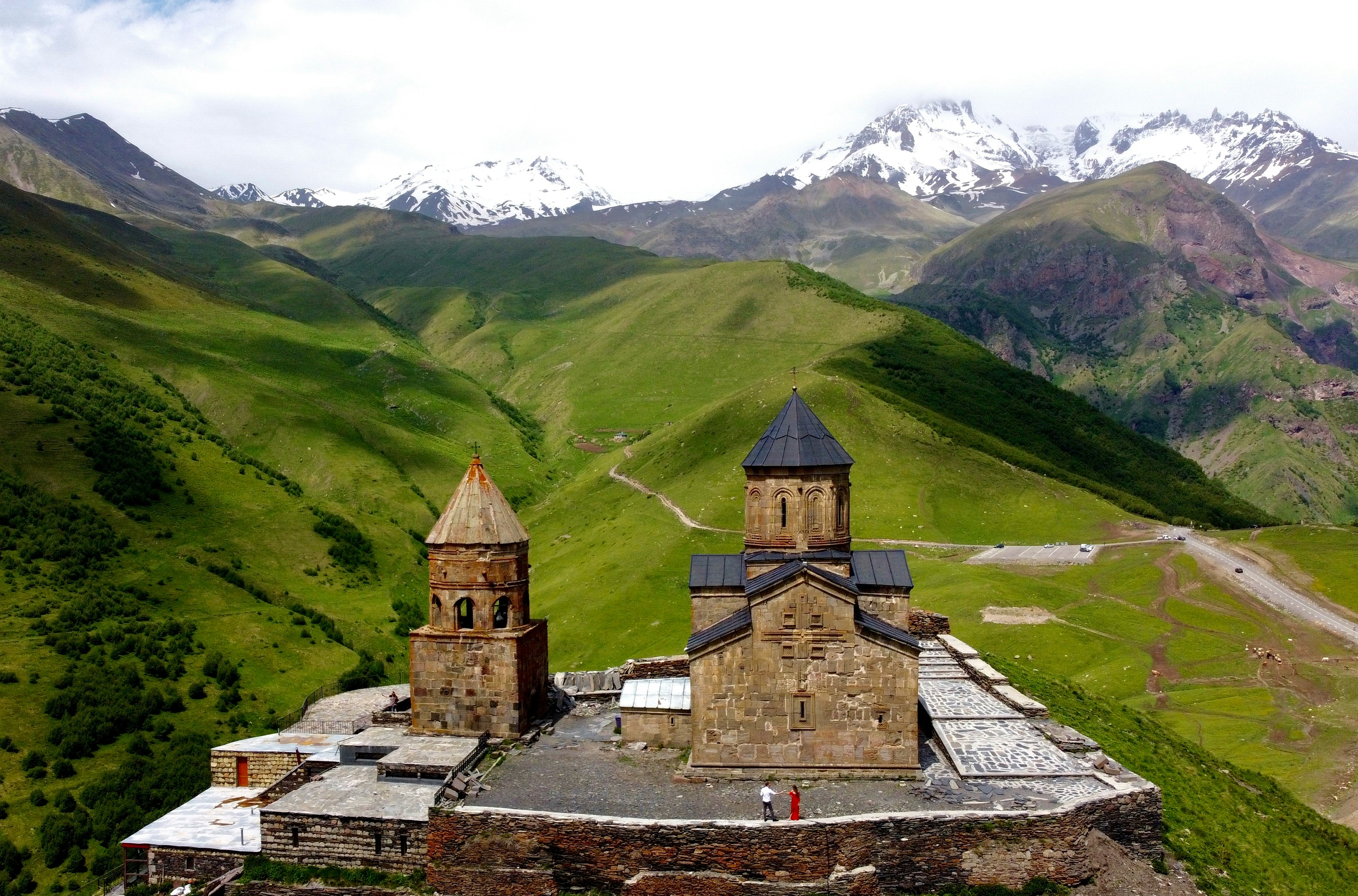
Georgia is a country of diverse landscapes, from the Black Sea coastline to the rugged peaks of the Caucasus Mountains. The country is also known for its fertile valleys, ancient forests, and picturesque villages.
Georgia has a rich cultural heritage, influenced by its ancient history and Orthodox Christian traditions. Hospitality is a cornerstone of Georgian culture, with toasts, feasts, and traditional music playing key roles in social life.
Georgian cuisine is renowned for its bold flavors and unique dishes, such as Khachapuri (cheese-filled bread) and Khinkali (dumplings). The country is also famous for its wine, with a winemaking tradition that dates back thousands of years.
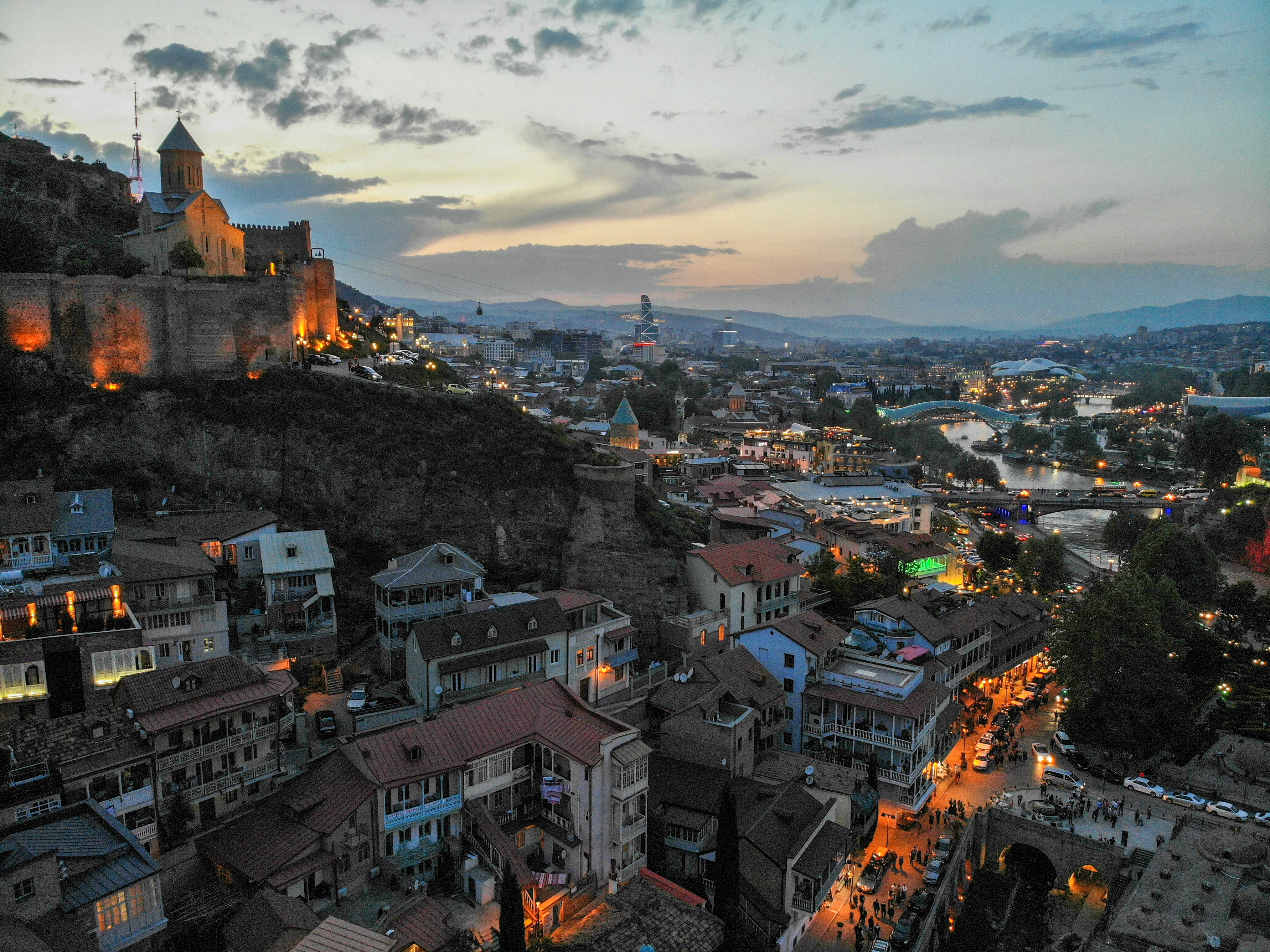
Key attractions include the capital city of Tbilisi, the ancient cave city of Uplistsikhe, and the stunning Svaneti region with its medieval towers. The wine region of Kakheti is also popular among visitors.
Georgian is the official language, and it has its own unique script. Minority languages such as Russian and Azerbaijani are also spoken in certain regions.
Georgia celebrates both religious and secular festivals, including Tbilisoba, a harvest festival, and Orthodox Christmas and Easter. These events are marked by traditional dances, music, and feasting.
Georgia’s climate varies by region, with a subtropical climate along the Black Sea coast and a more continental climate in the interior. The mountainous areas experience cold winters with heavy snowfall, while the lowlands enjoy mild winters and hot summers.
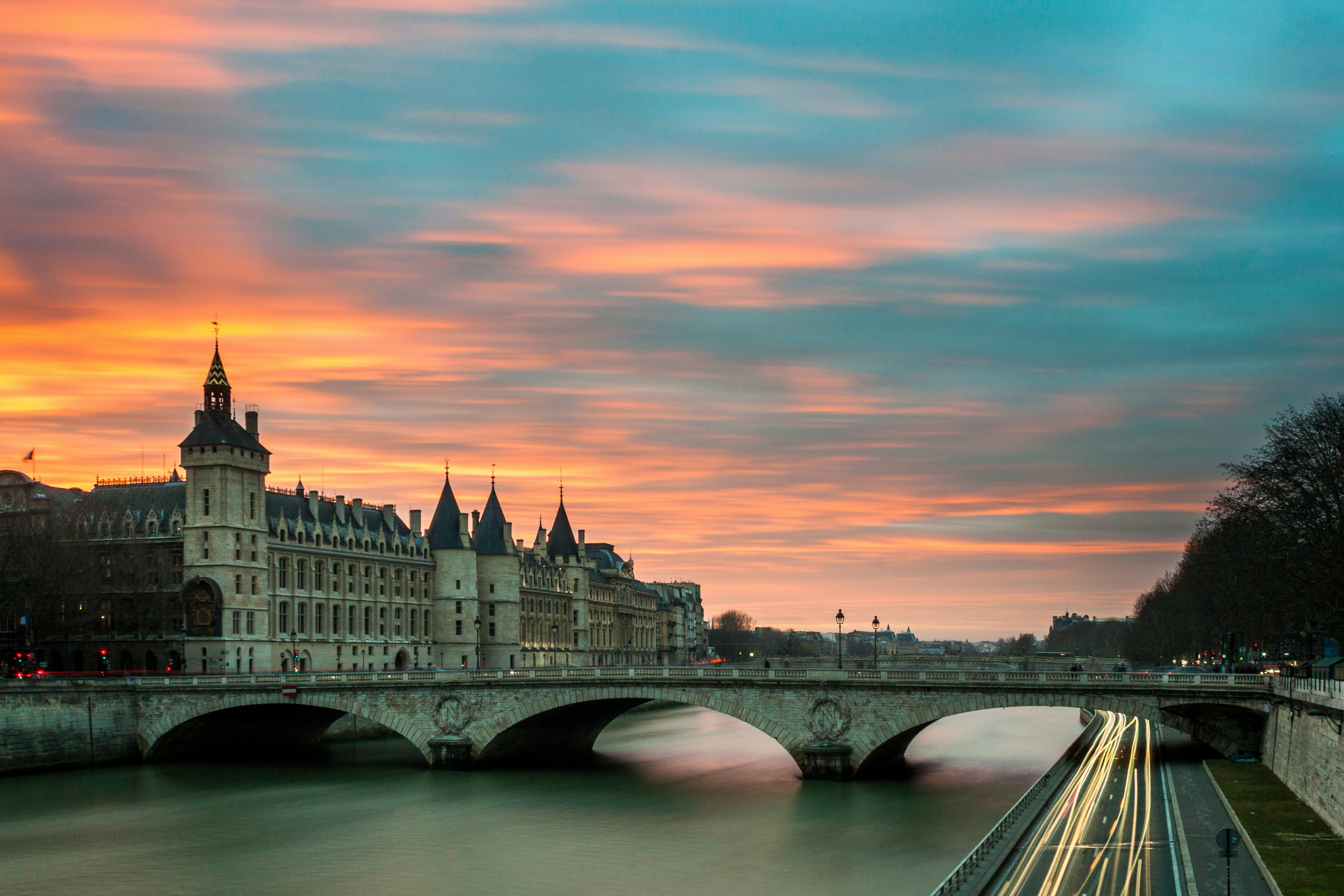
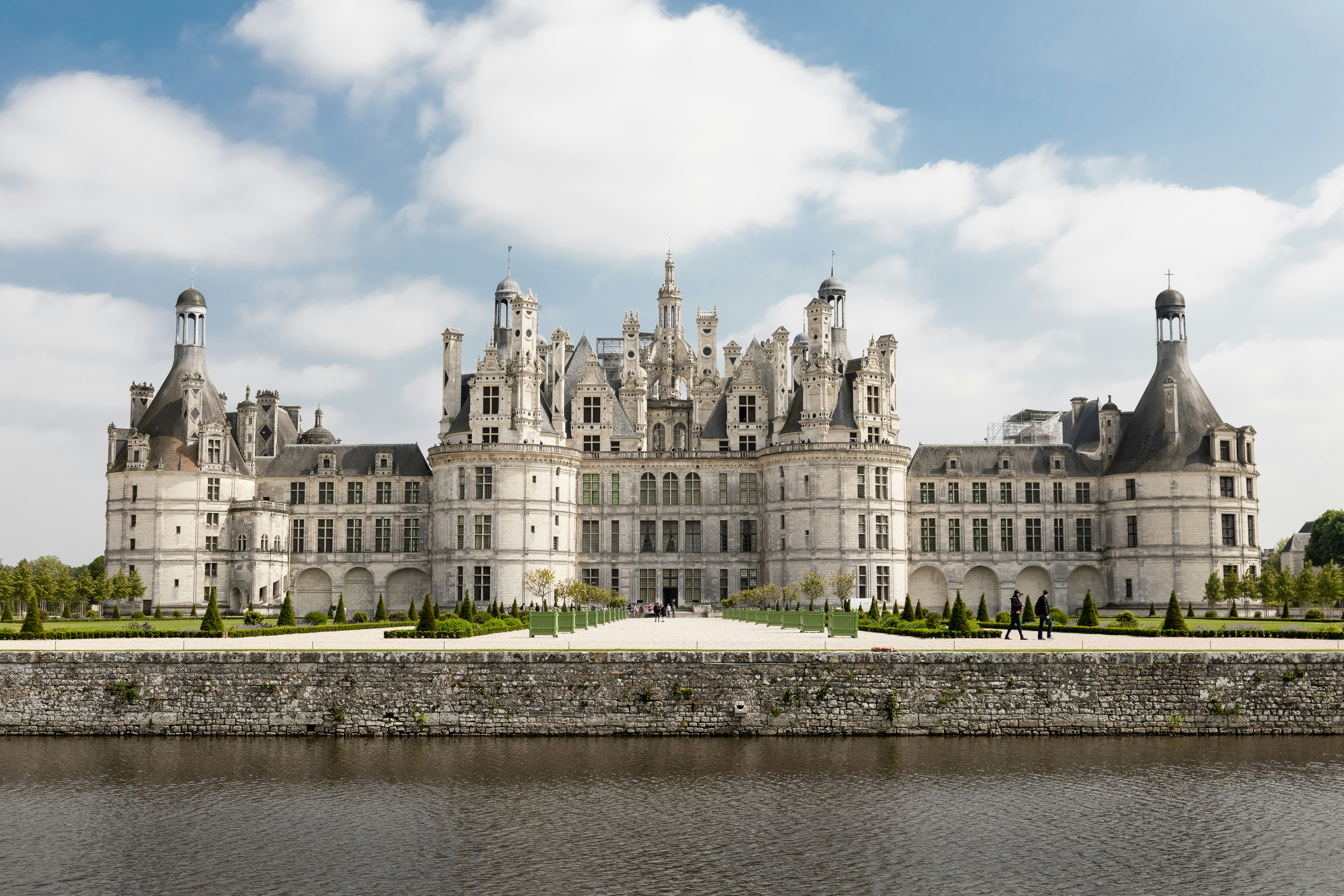
France is known for its diverse landscapes, from the beaches of the French Riviera to the rolling hills of Provence and the rugged cliffs of Normandy. The country is also home to the majestic Alps and the tranquil Loire Valley.
France is synonymous with art, fashion, and philosophy. The country’s cultural heritage includes a rich history of literature, music, and cinema, as well as a deep appreciation for gastronomy and wine.
French cuisine is world-renowned, known for dishes like Coq au Vin, Baguettes, and Croissants. Each region offers its own specialties, such as Champagne in the north and Bouillabaisse in the south.
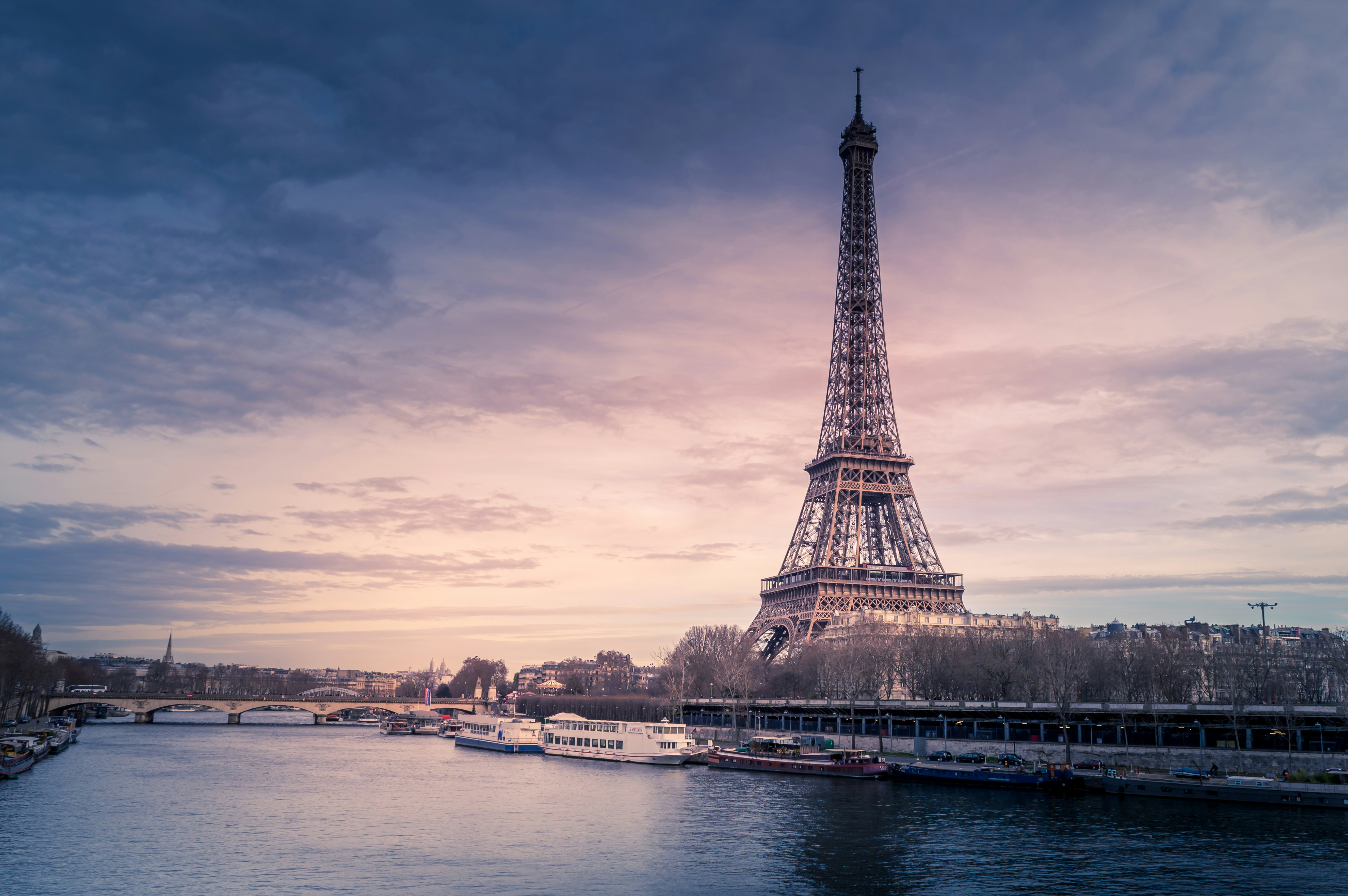
France is home to iconic landmarks like the Eiffel Tower, the Louvre, and the Palace of Versailles. The historic regions of Normandy and Brittany, as well as the scenic wine country of Bordeaux, are also popular destinations.
French is the official language, spoken by nearly the entire population. France is known for its efforts to preserve the purity of the French language through institutions like the Académie Française.
France celebrates a number of national and regional festivals, including Bastille Day, which marks the start of the French Revolution, and the Fête de la Musique, a nationwide celebration of music. Christmas and Easter are also widely observed.
France has a varied climate, with Mediterranean conditions in the south, oceanic in the west, and continental in the northeast. The country experiences warm summers and cool winters, with significant regional differences.
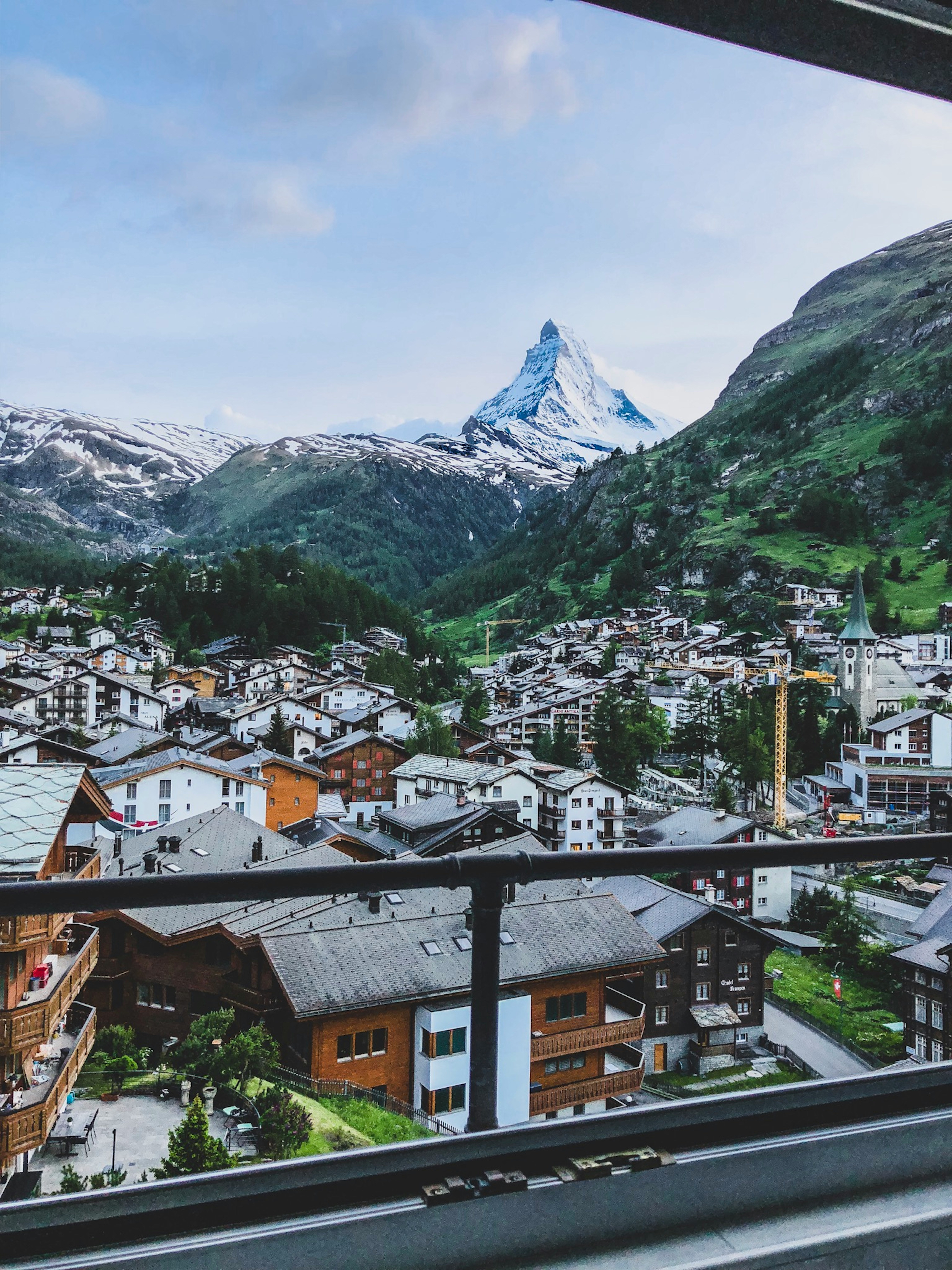
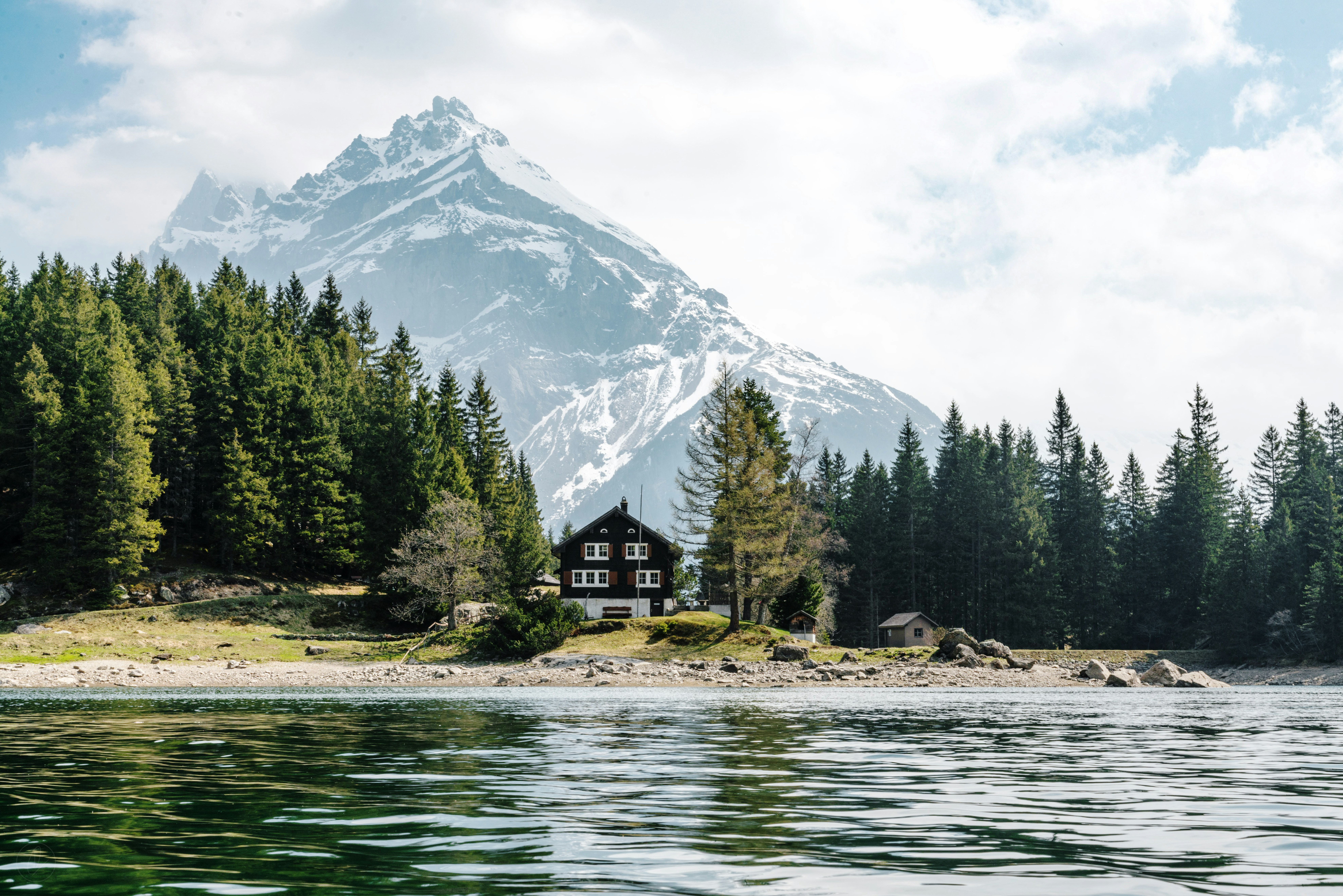
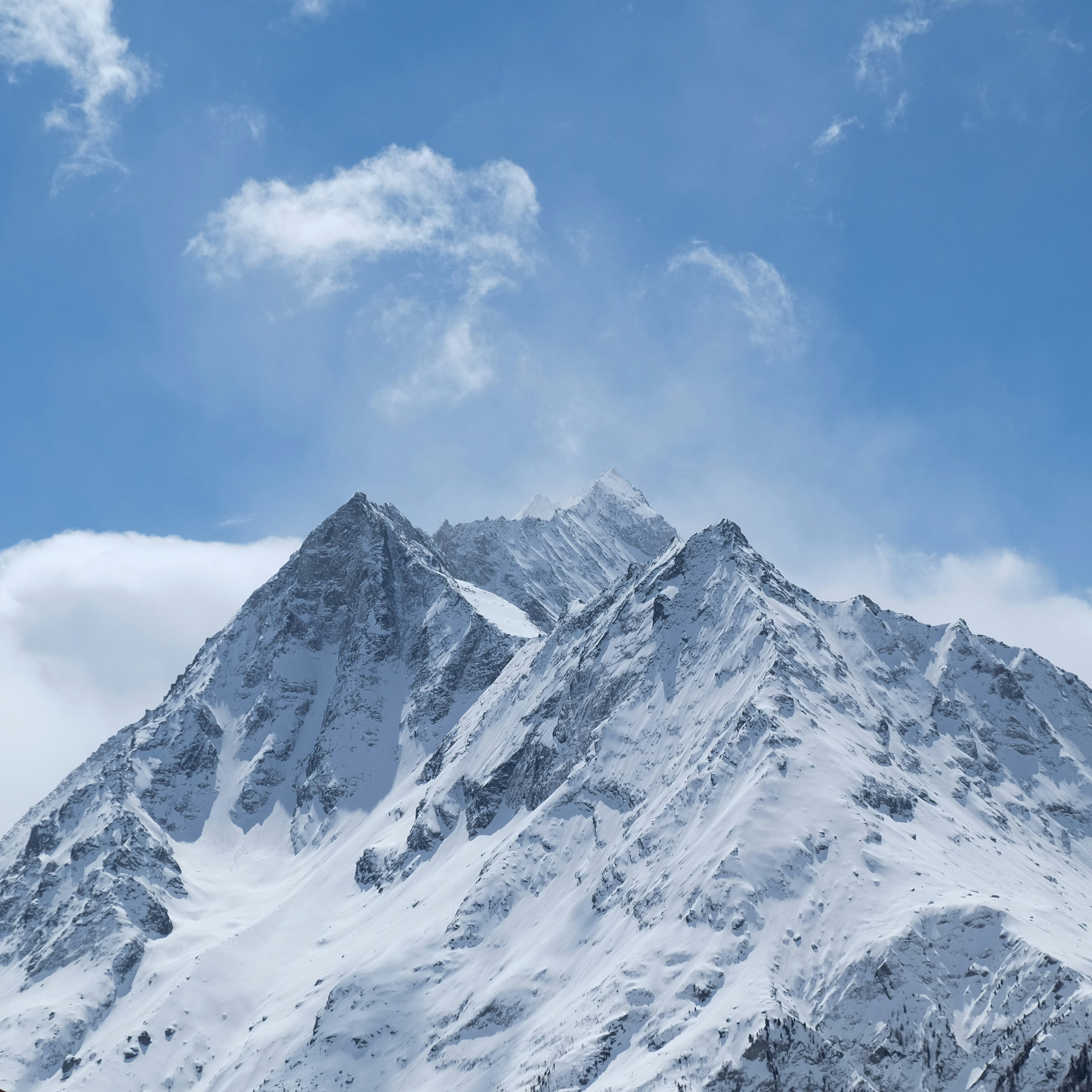
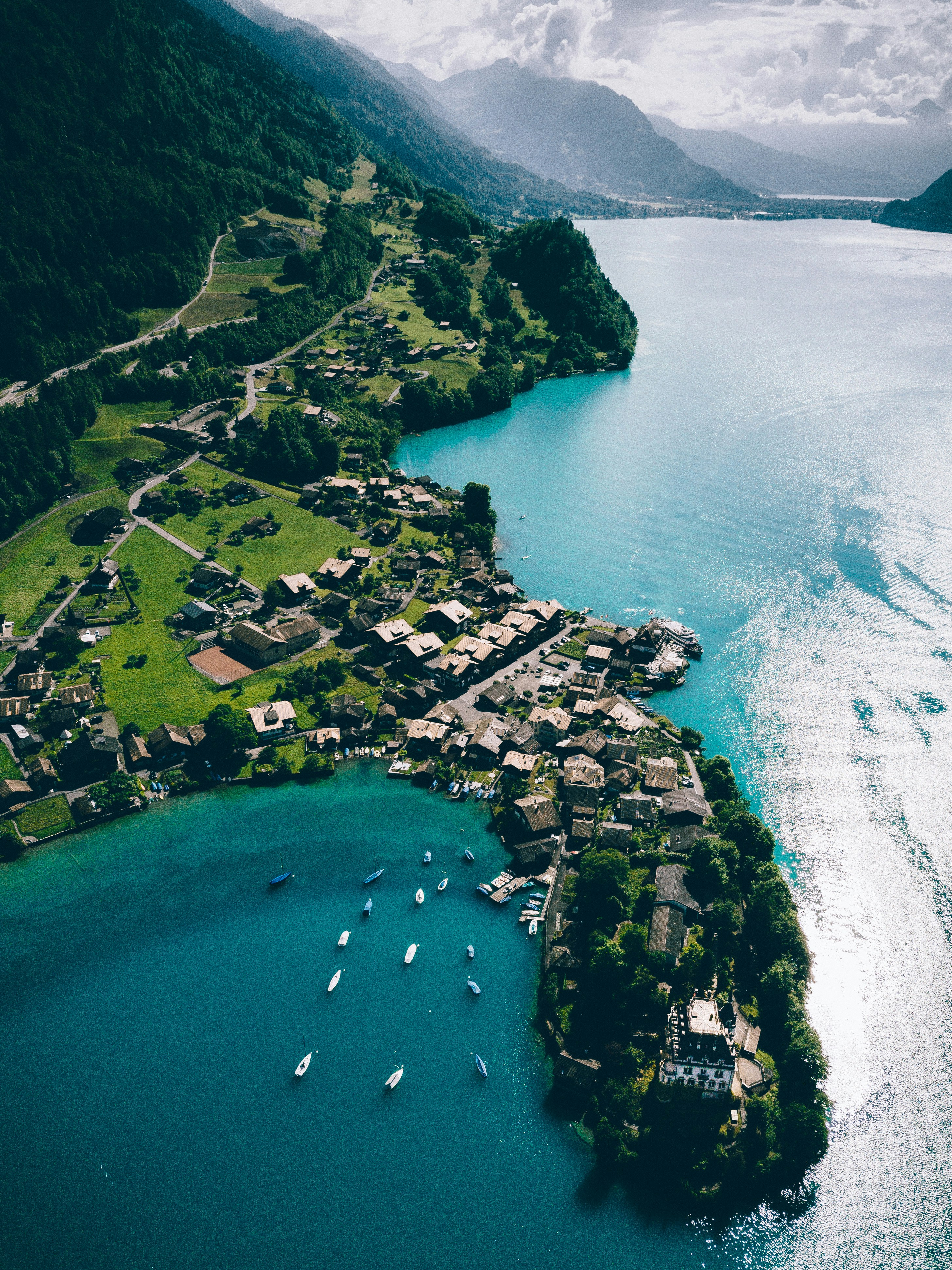
Switzerland is famous for its stunning Alpine scenery, with snow-capped peaks, pristine lakes, and lush valleys. The country is also known for its picturesque villages and well-preserved medieval towns.
Swiss culture is characterized by its diversity, with influences from German, French, and Italian traditions. The country is known for its neutrality, precision, and high quality of life.
Swiss cuisine includes famous dishes like Fondue, Raclette, and Rösti. The country is also known for its high-quality chocolate and cheese, which are enjoyed both locally and internationally.
Top attractions include the Matterhorn, Lake Geneva, and the medieval city of Bern. The Swiss Alps are a major destination for skiing, hiking, and mountaineering enthusiasts.
Switzerland has four official languages: German, French, Italian, and Romansh. The country’s linguistic diversity reflects its multicultural heritage.
Switzerland celebrates a variety of cultural and regional festivals, including the Basel Fasnacht and the Montreux Jazz Festival. National Day on August 1st is marked by fireworks, bonfires, and traditional Swiss music.
Switzerland has a temperate climate, with cold winters and mild summers. The mountainous regions experience heavy snowfall in winter, making them ideal for winter sports.
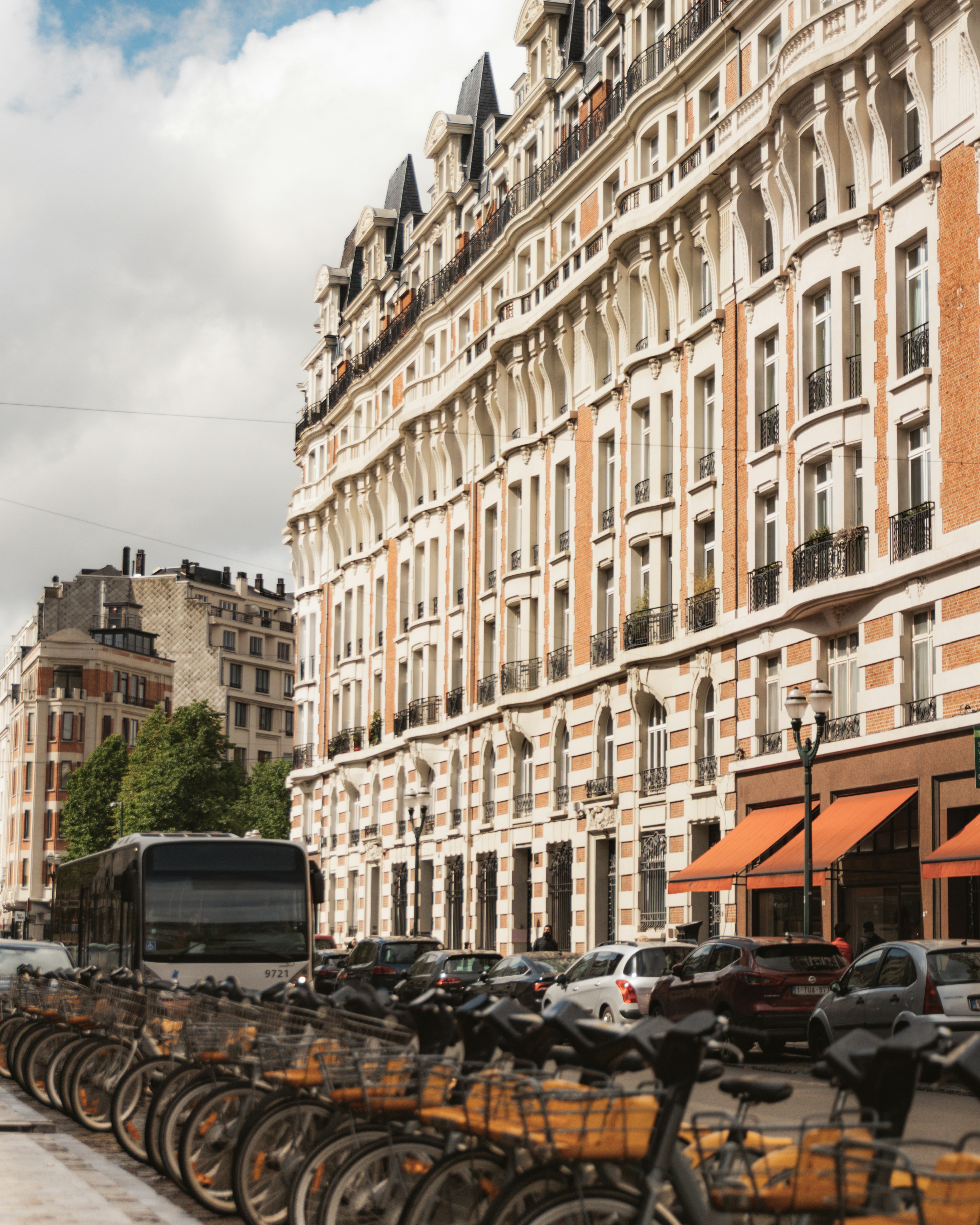
Belgium is known for its flat coastal plains in the northwest, rolling hills in the central region, and the rugged Ardennes forest in the southeast. The country’s location makes it a crossroads of Western Europe.
Belgian culture is a blend of Flemish and Walloon traditions, with a strong emphasis on art, music, and cuisine. The country is also known for its comic strips, chocolate, and beer.
Belgium is famous for its culinary delights, including Waffles, Mussels with Fries, and a wide variety of beers. The country is also known for its fine chocolates and pralines, which are popular gifts.
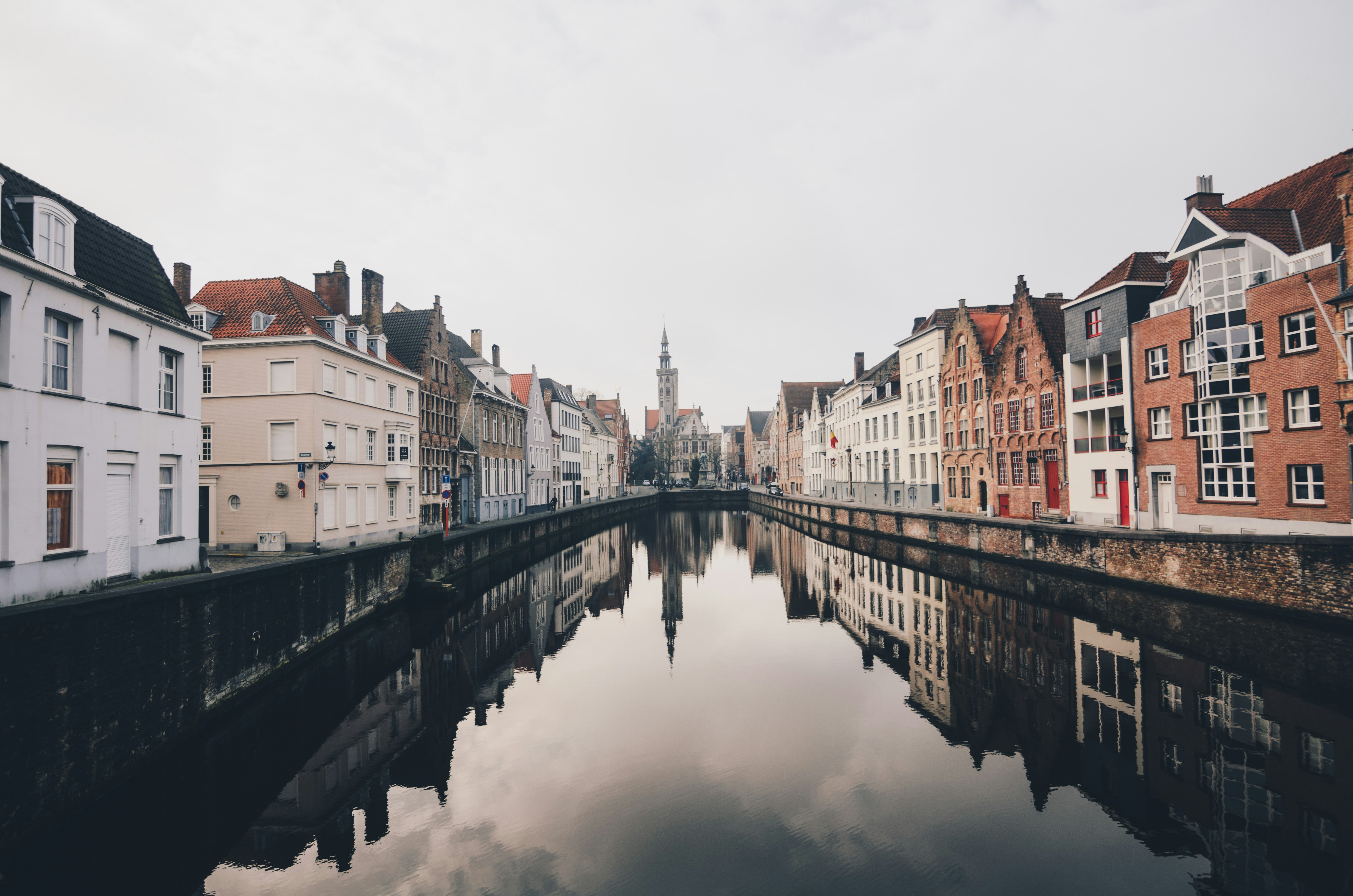
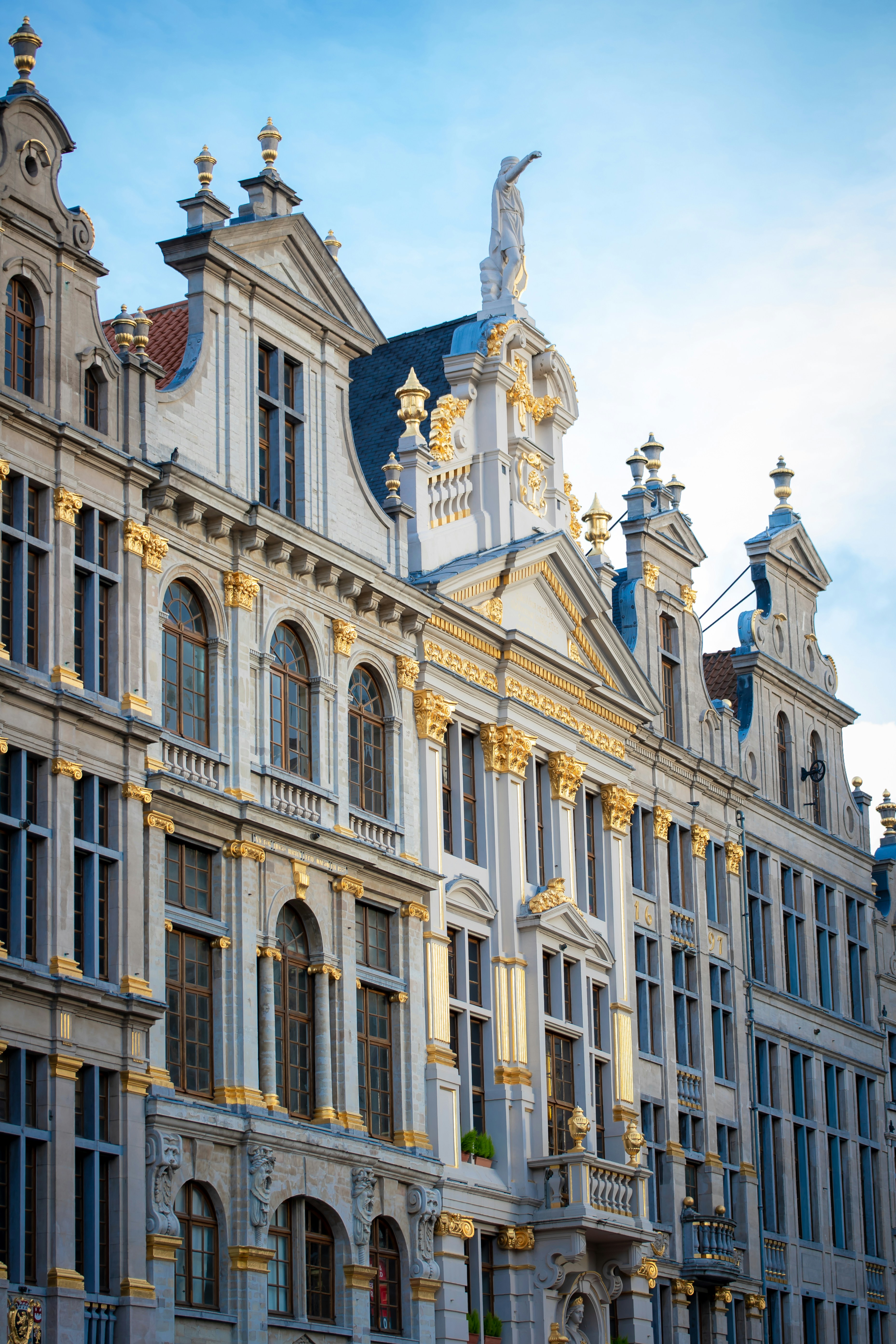
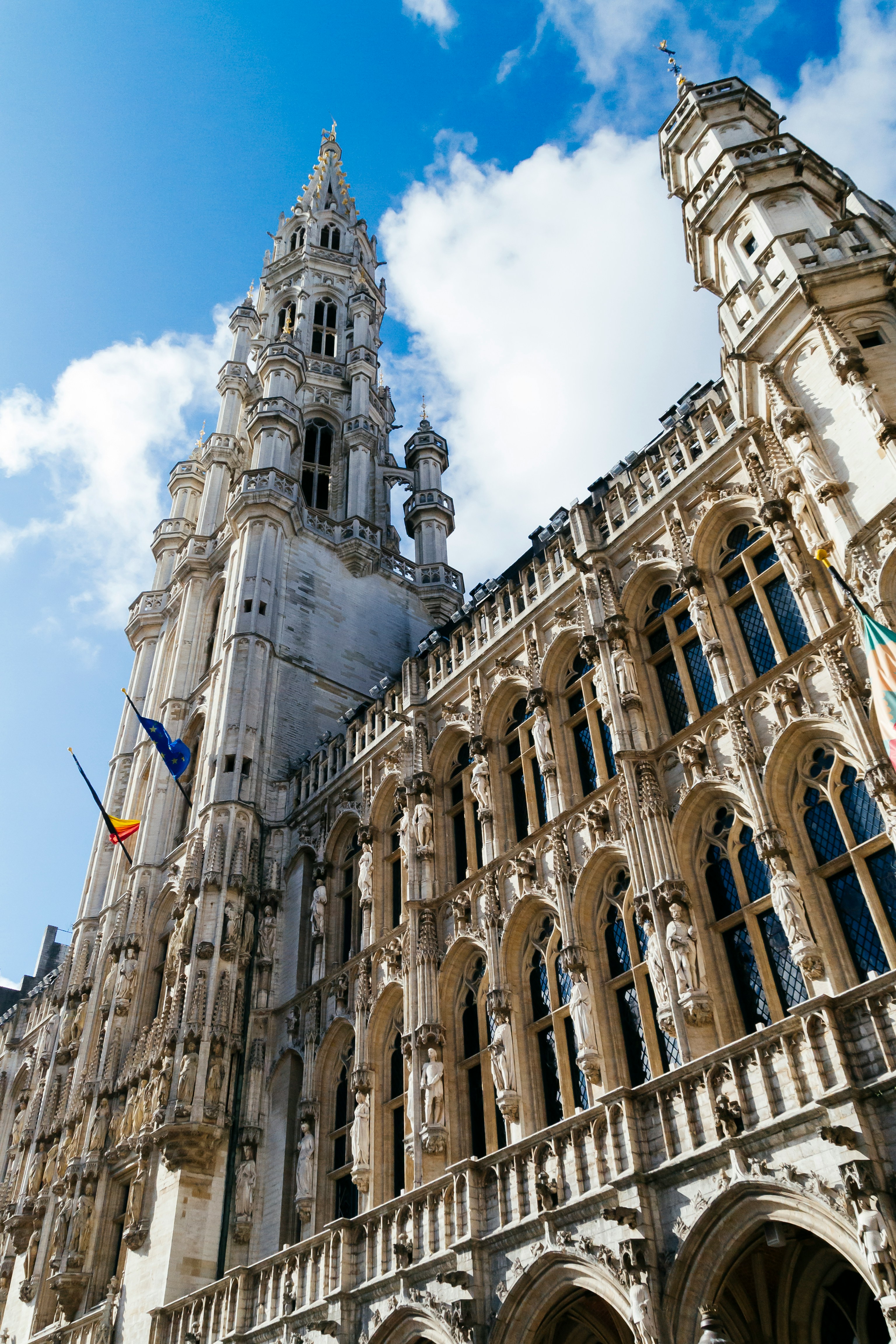
Key attractions include the Grand Place in Brussels, the medieval city of Bruges, and the Atomium. The Ardennes region is popular for outdoor activities such as hiking and cycling.
Belgium has three official languages: Dutch, French, and German. The country is divided into three linguistic regions, reflecting its complex cultural landscape.
Belgium celebrates a range of festivals, including Carnival in Binche, the Ommegang Pageant in Brussels, and National Day on July 21st. These events are marked by parades, music, and traditional costumes.
Belgium has a temperate maritime climate, with mild summers and cool, rainy winters. The country experiences frequent rainfall, especially in the Ardennes region.
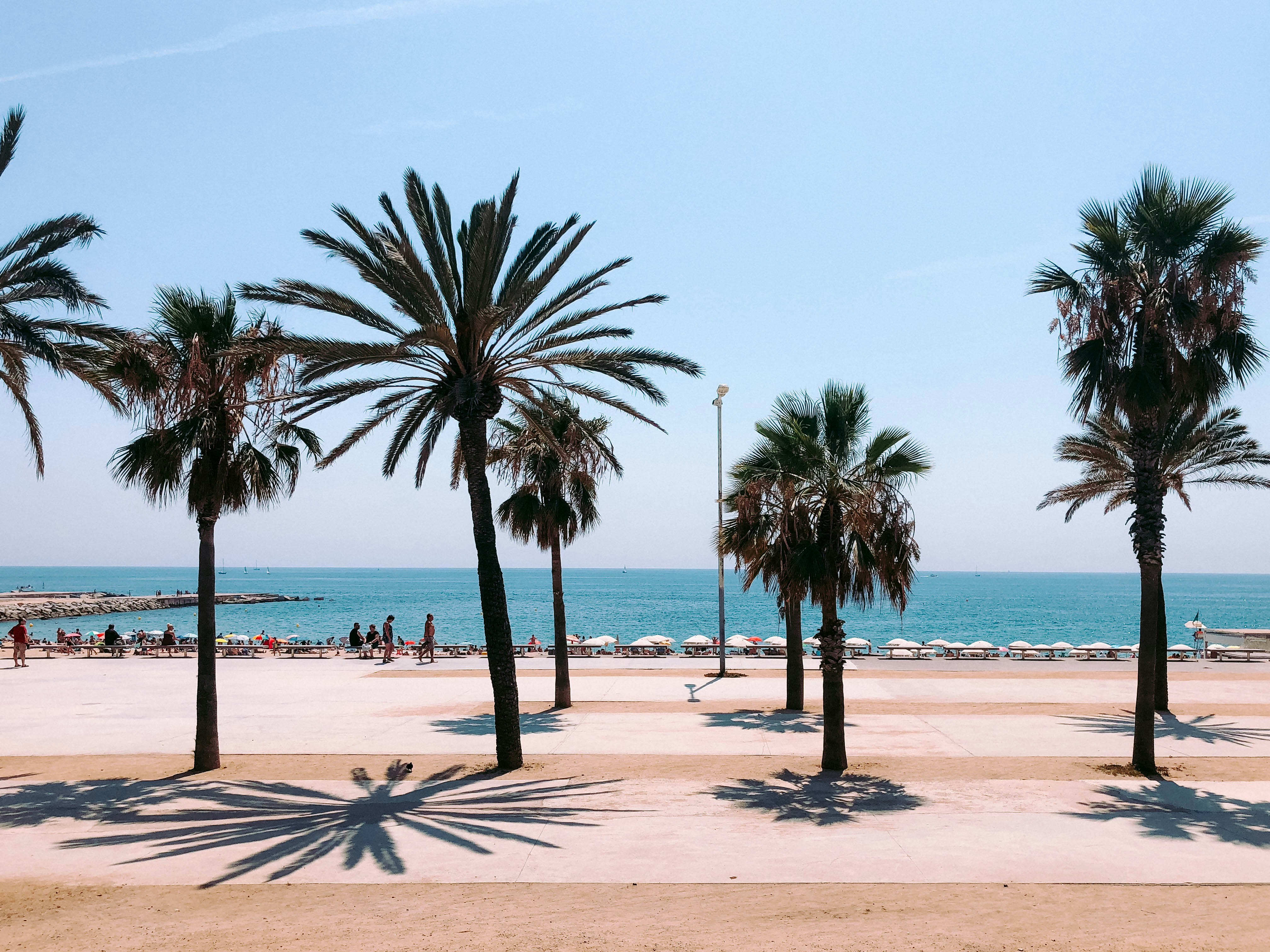
Spain’s geography is diverse, ranging from the Pyrenees mountains in the north to the sunny beaches of the Mediterranean coast. The country is also home to vast plains, rolling hills, and fertile valleys.
Spanish culture is rich in traditions, from flamenco dancing in Andalusia to the running of the bulls in Pamplona. The country’s heritage is a blend of Christian, Islamic, and Jewish influences.
Spanish cuisine is known for its bold flavors, with dishes like Paella, Tapas, and Gazpacho being popular both locally and internationally. Each region has its own culinary specialties, reflecting Spain’s diverse landscape and climate.
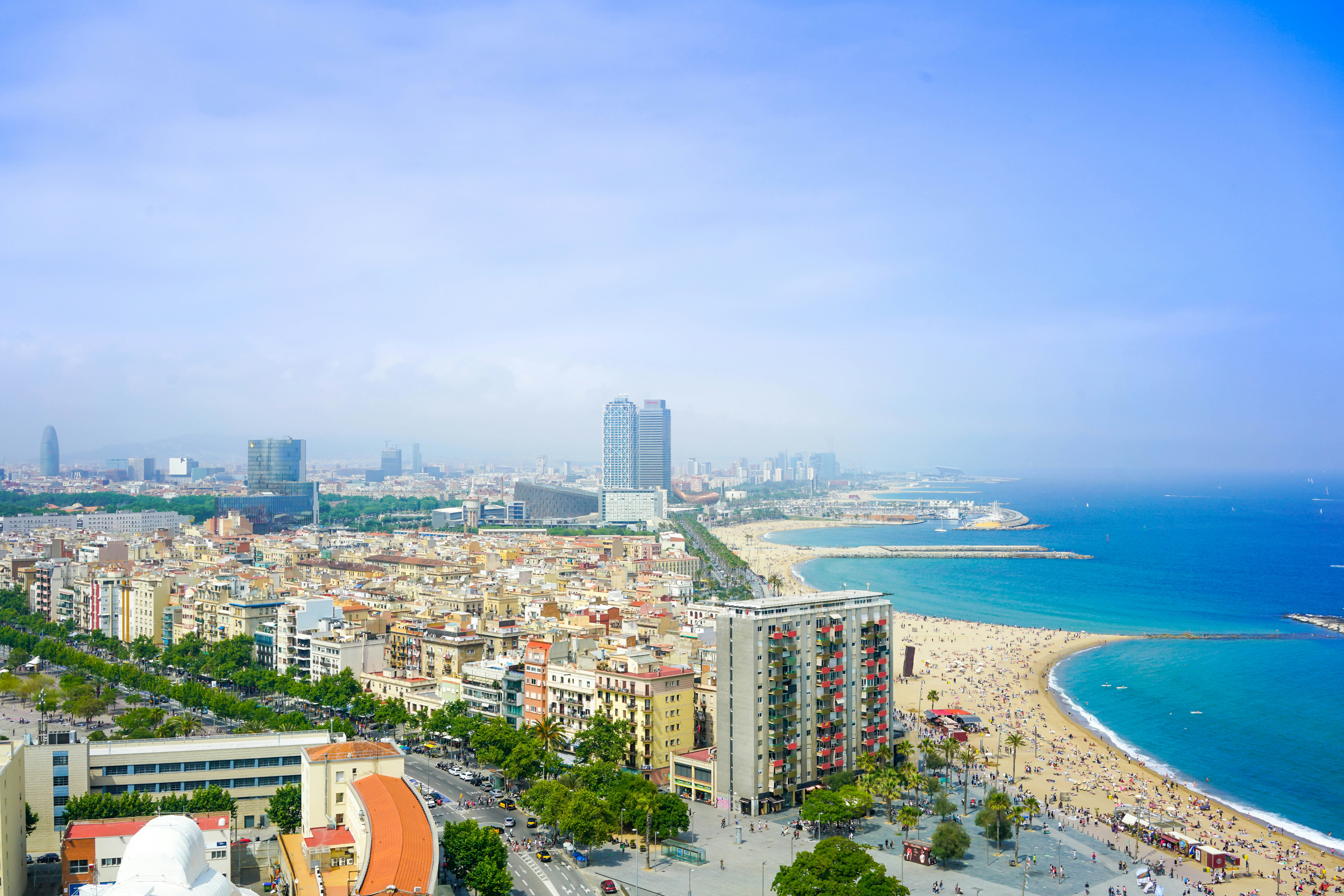
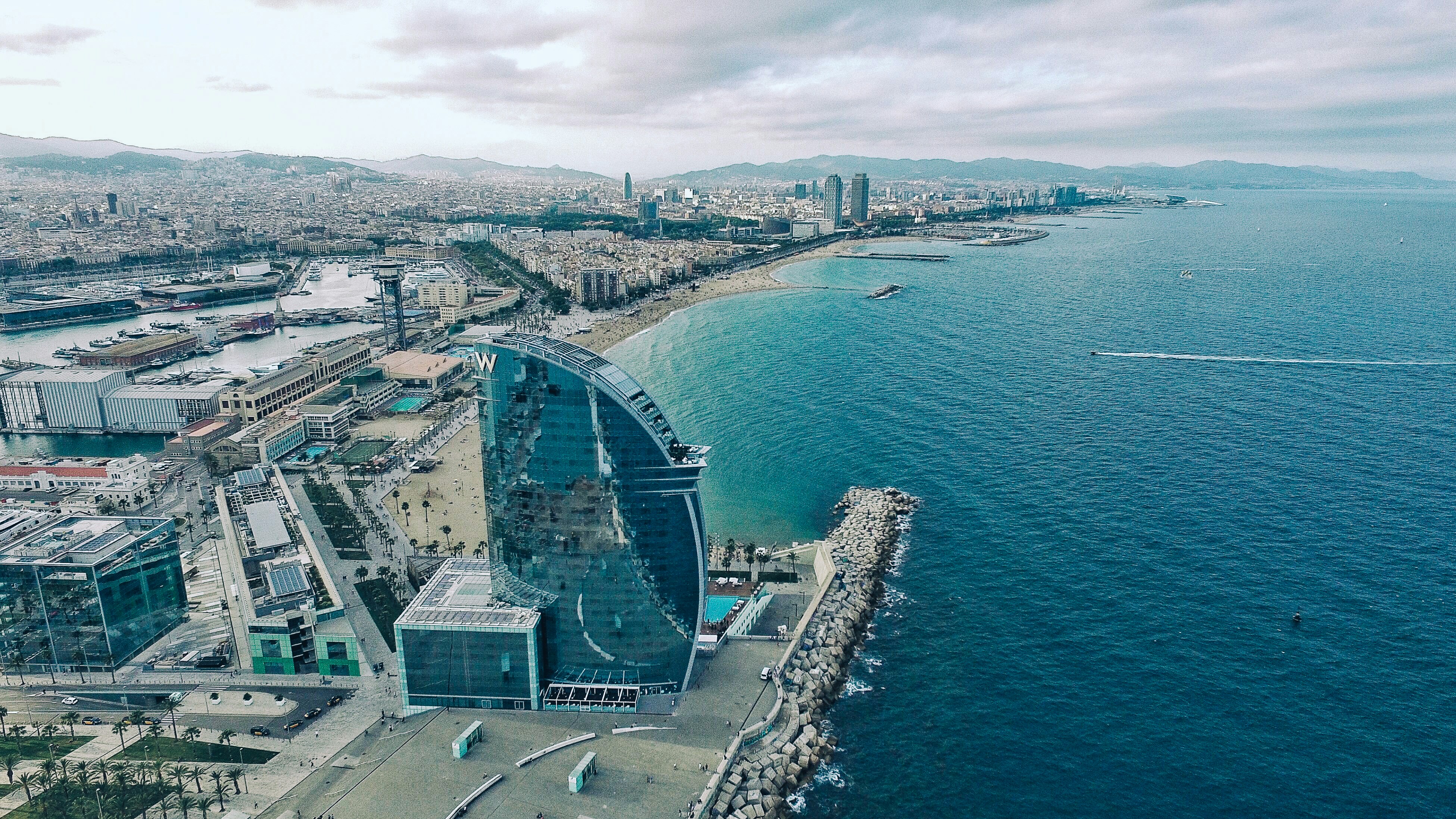
Spain is home to world-famous landmarks such as the Sagrada Familia in Barcelona, the Alhambra in Granada, and the Prado Museum in Madrid. The country’s beautiful beaches and vibrant cities make it a top destination for tourists.
Spanish (Castilian) is the official language, but regional languages such as Catalan, Basque, and Galician are also spoken. The country’s linguistic diversity is a reflection of its complex history.
Spain celebrates a wide range of festivals, including La Tomatina, Semana Santa, and the Feria de Abril. These events are characterized by parades, music, dancing, and traditional costumes.
Spain has a Mediterranean climate along the coast, with hot, dry summers and mild, wet winters. The interior of the country experiences a more continental climate, with colder winters and hotter summers.
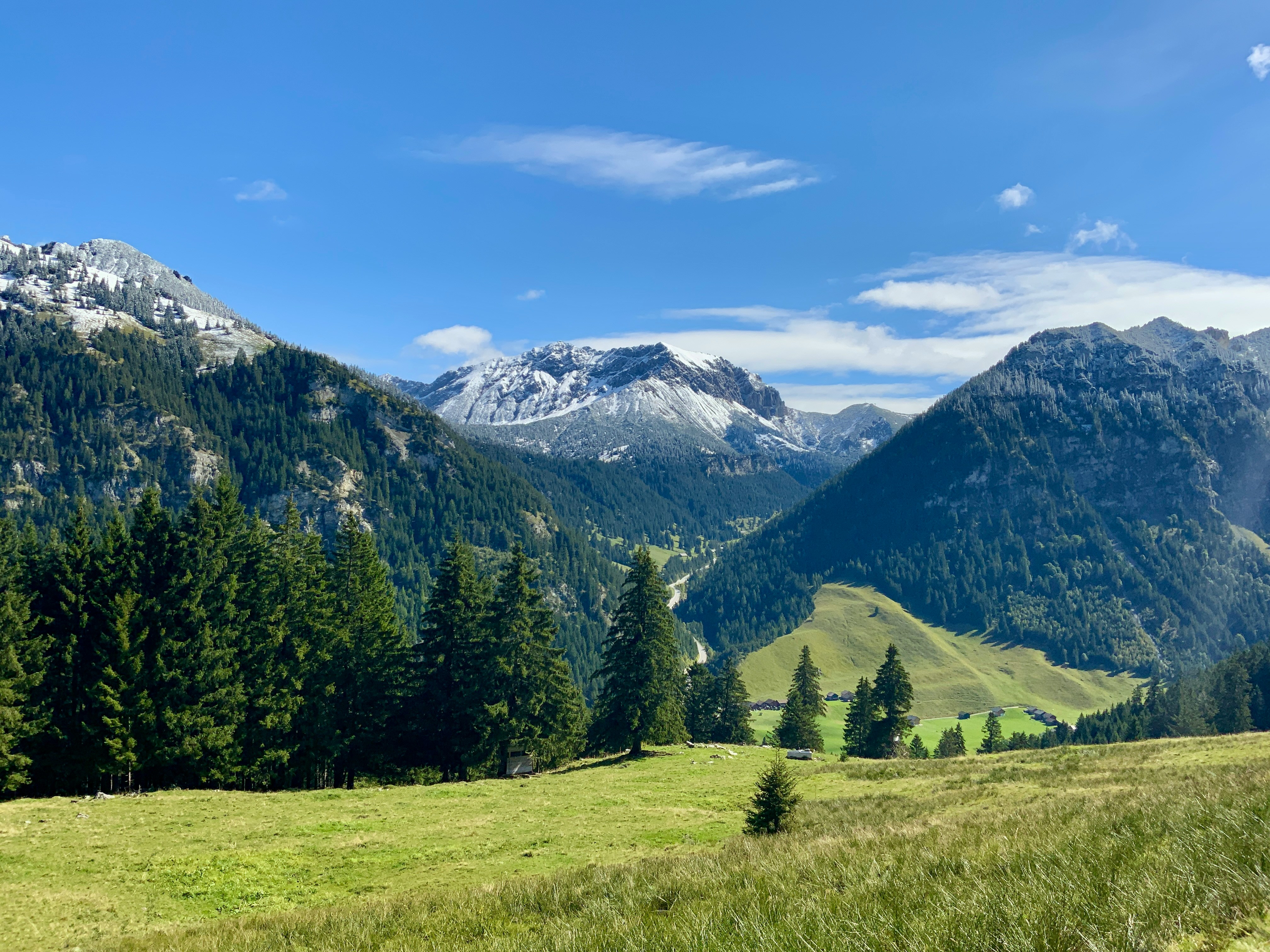
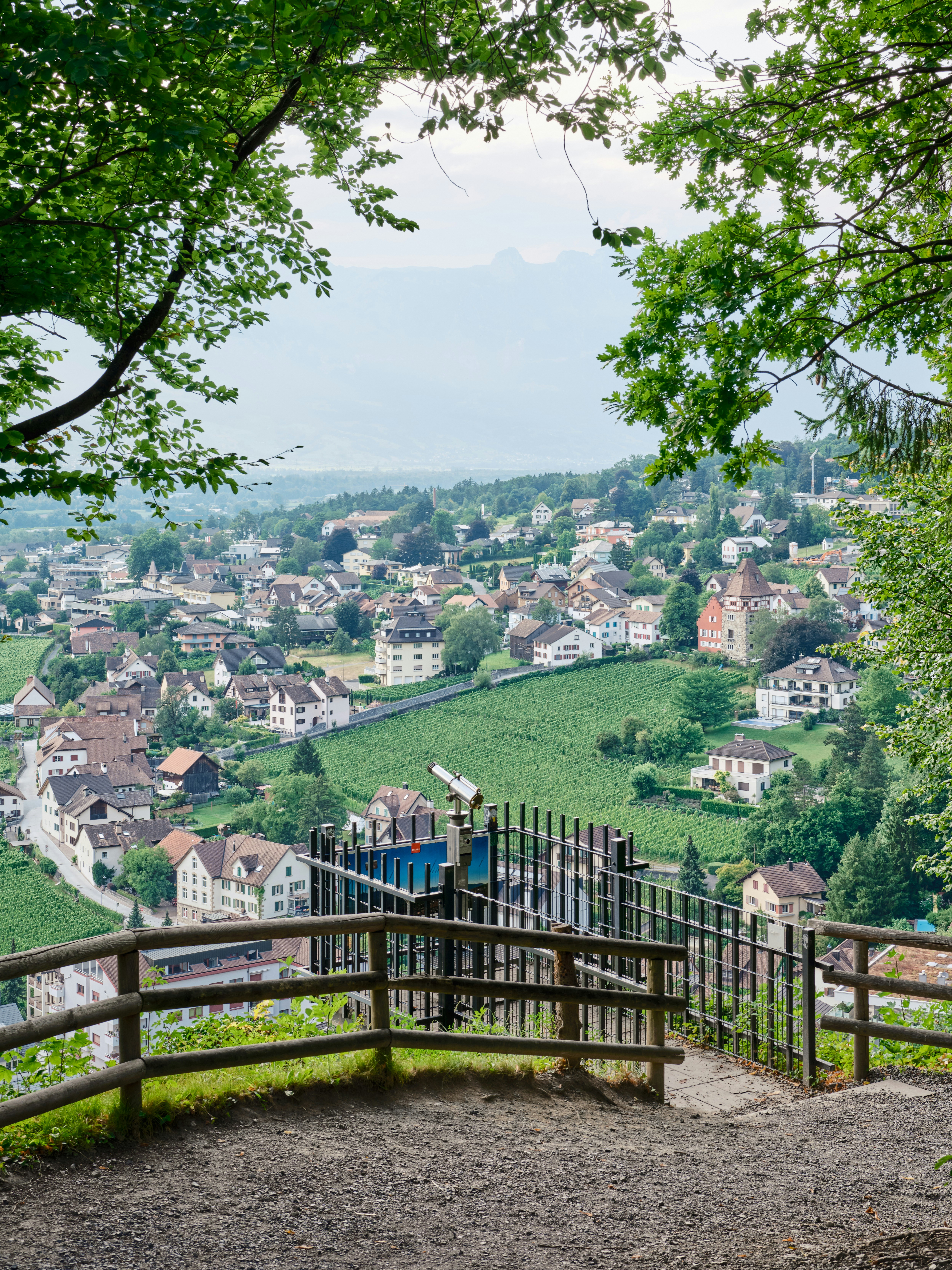
Liechtenstein is a small, mountainous country located between Switzerland and Austria. The Rhine River forms its western border, and the country is known for its alpine landscapes and charming villages.
Liechtenstein’s culture is influenced by its Germanic roots and proximity to Switzerland and Austria. The country is known for its strong sense of tradition, with festivals, music, and art playing significant roles in daily life.
Liechtenstein’s cuisine is a blend of Swiss, Austrian, and German influences, with dishes like Käsknöpfle (cheese dumplings) and Ribel (cornmeal-based dish) being local favorites. The country also enjoys a variety of wines produced from its vineyards.
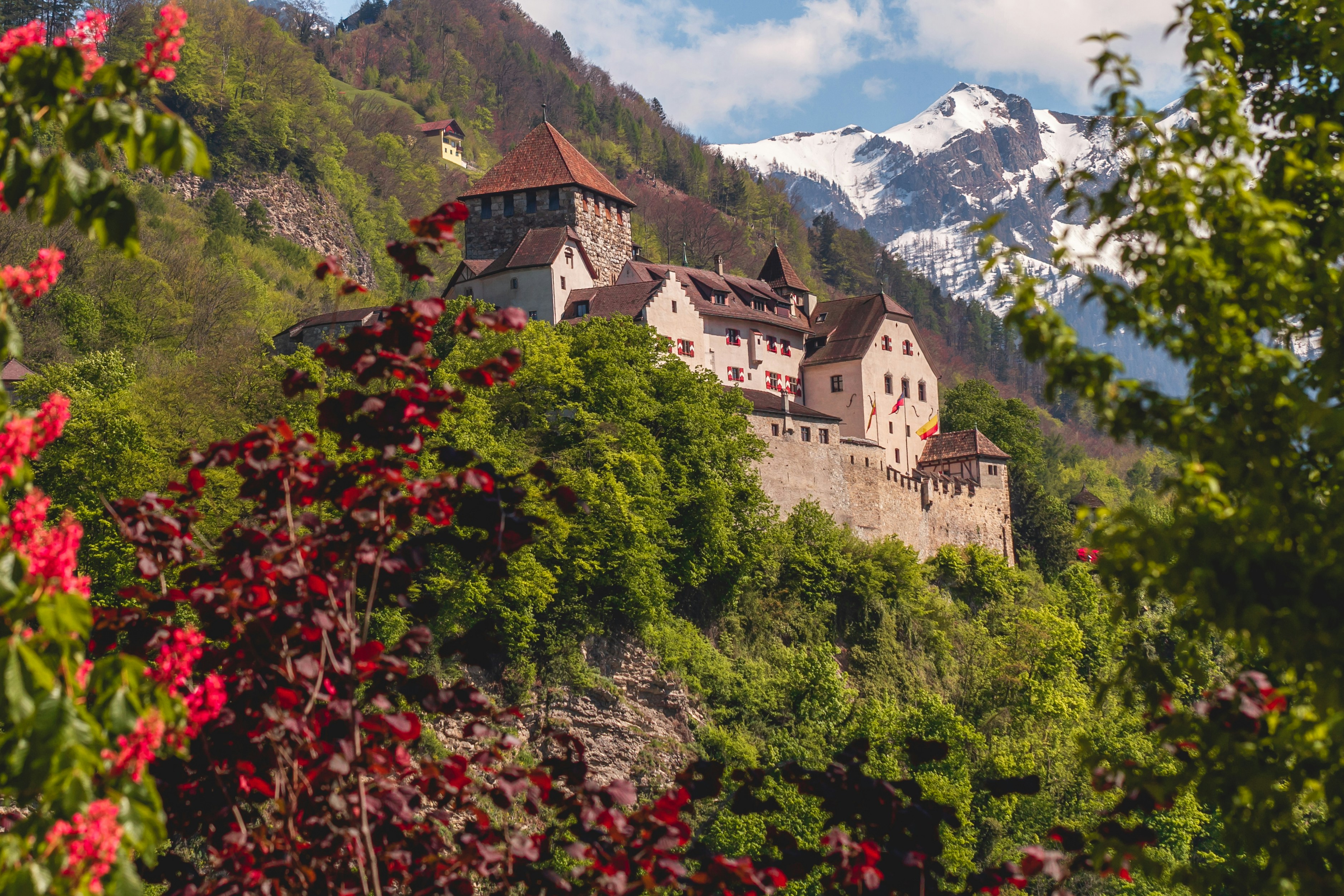
Key attractions include Vaduz Castle, the official residence of the Prince of Liechtenstein, the Kunstmuseum Liechtenstein, and the scenic Malbun ski resort. The country’s small size makes it easy to explore its natural and cultural landmarks.
German is the official language of Liechtenstein, with the Alemannic dialect commonly spoken. The language reflects the country’s cultural ties with neighboring Germany, Austria, and Switzerland.
Liechtenstein celebrates its National Day on August 15th with parades, fireworks, and a reception hosted by the Prince. The country also observes religious holidays and local traditions with festive gatherings and music.
Liechtenstein has a temperate alpine climate, with cold, snowy winters and mild, wet summers. The country’s mountainous terrain makes it an ideal destination for winter sports enthusiasts.
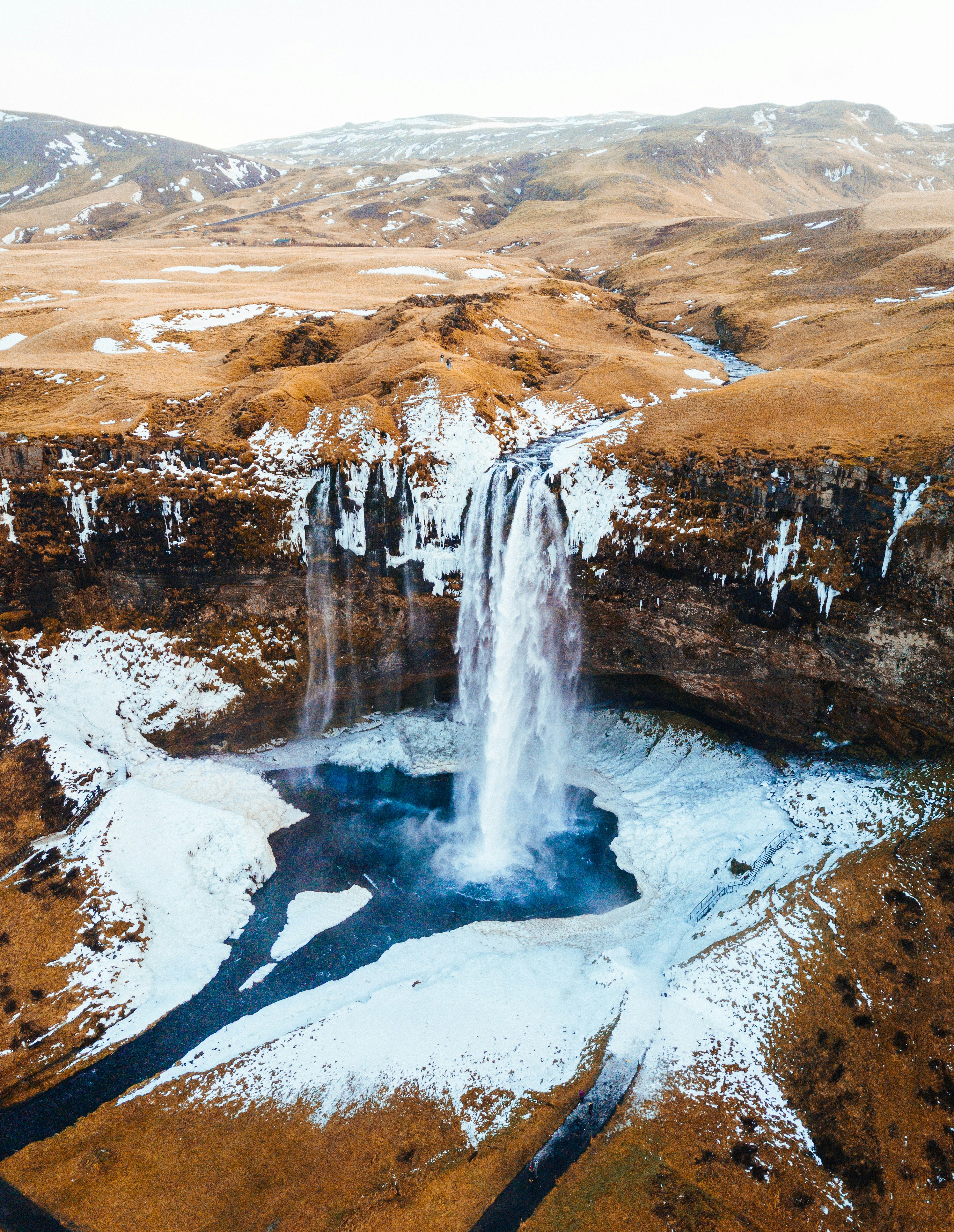
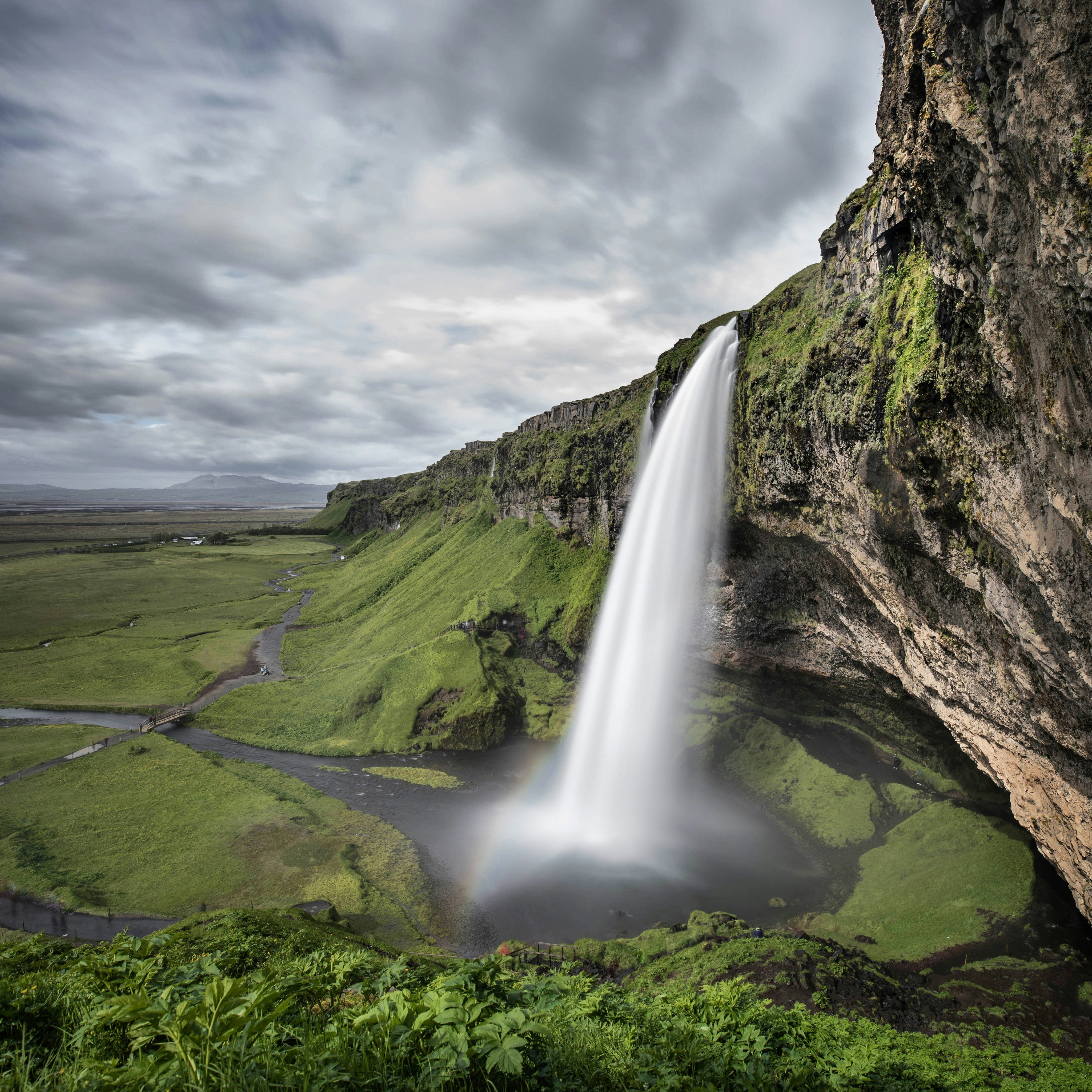
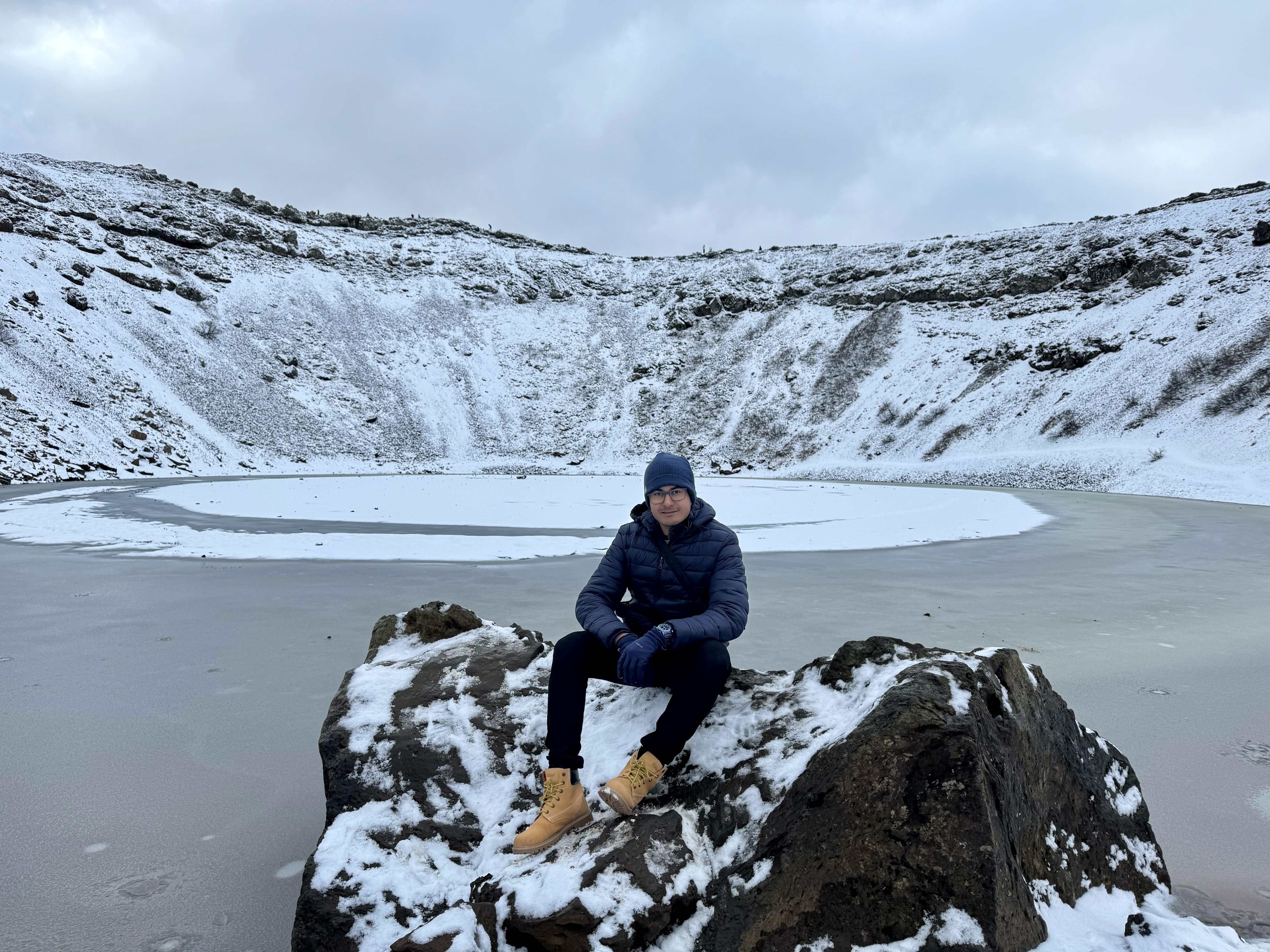
Iceland is known for its dramatic landscapes, including volcanoes, geysers, hot springs, and glaciers. The country’s rugged terrain is shaped by its location on the Mid-Atlantic Ridge, where the North American and Eurasian tectonic plates meet.
Icelandic culture is rooted in Norse traditions, with a strong emphasis on literature, music, and storytelling. The country is also known for its vibrant arts scene and the preservation of ancient sagas.
Icelandic cuisine is based on locally sourced ingredients, with dishes like Lamb Stew, Skyr (a type of yogurt), and fresh seafood being staples. Traditional foods such as Hákarl (fermented shark) and Svið (sheep’s head) reflect the country’s Viking heritage.
Top attractions in Iceland include the Blue Lagoon, the Golden Circle, and Vatnajökull National Park. The capital city, Reykjavik, is known for its modern architecture and vibrant nightlife, while the northern lights draw visitors in the winter months.
Icelandic is the official language, and it has remained relatively unchanged since the Viking Age. The language is closely related to Old Norse, and most Icelanders are also fluent in English.
Iceland celebrates both traditional and contemporary festivals, including Þorrablót (a midwinter festival), Reykjavik Arts Festival, and Iceland Airwaves music festival. These events highlight the country’s cultural diversity and artistic talent.
Iceland has a subarctic climate, with cool summers and cold winters. The coastal areas are moderated by the Gulf Stream, while the interior highlands experience harsher conditions with heavy snowfall.
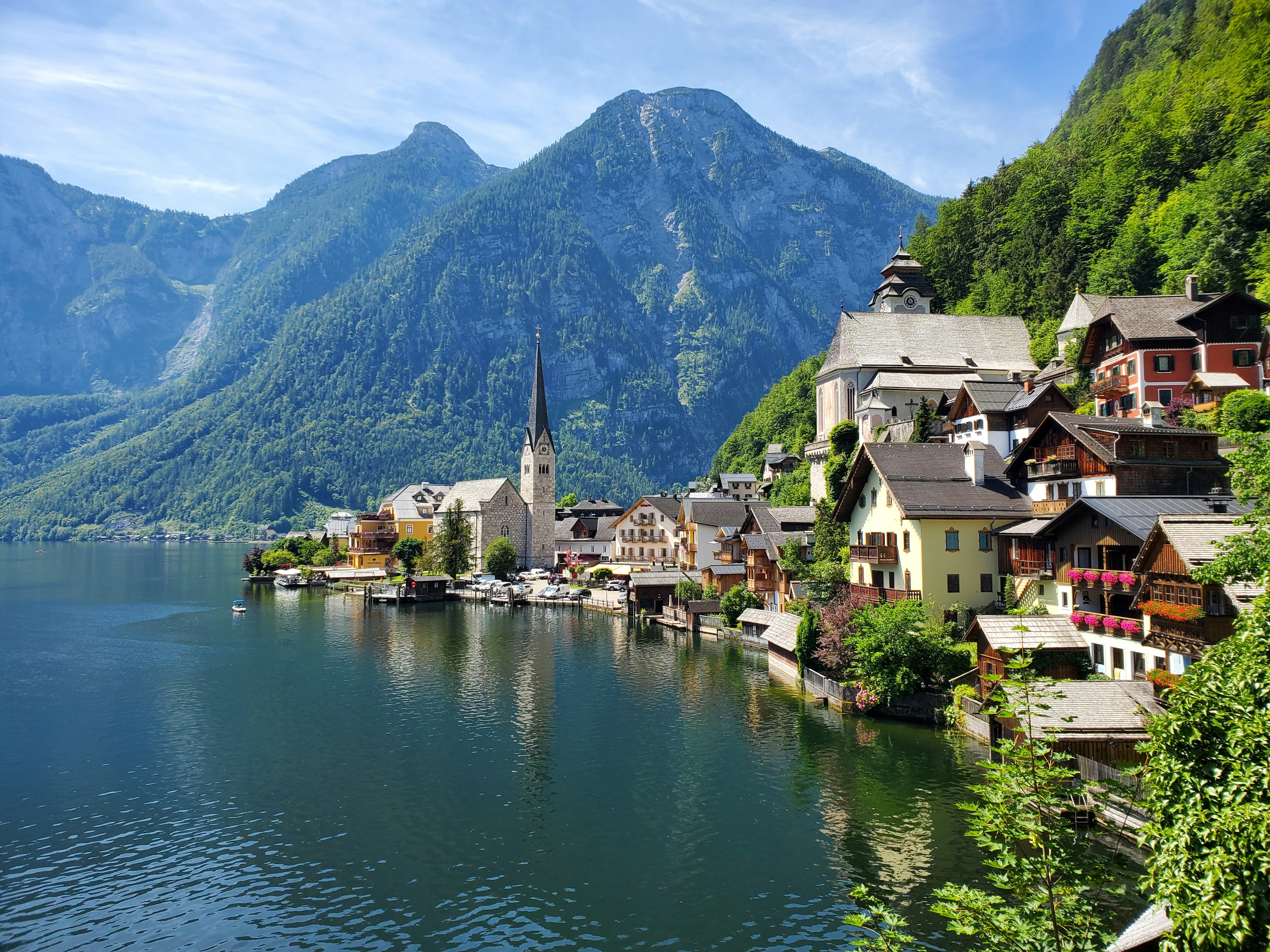
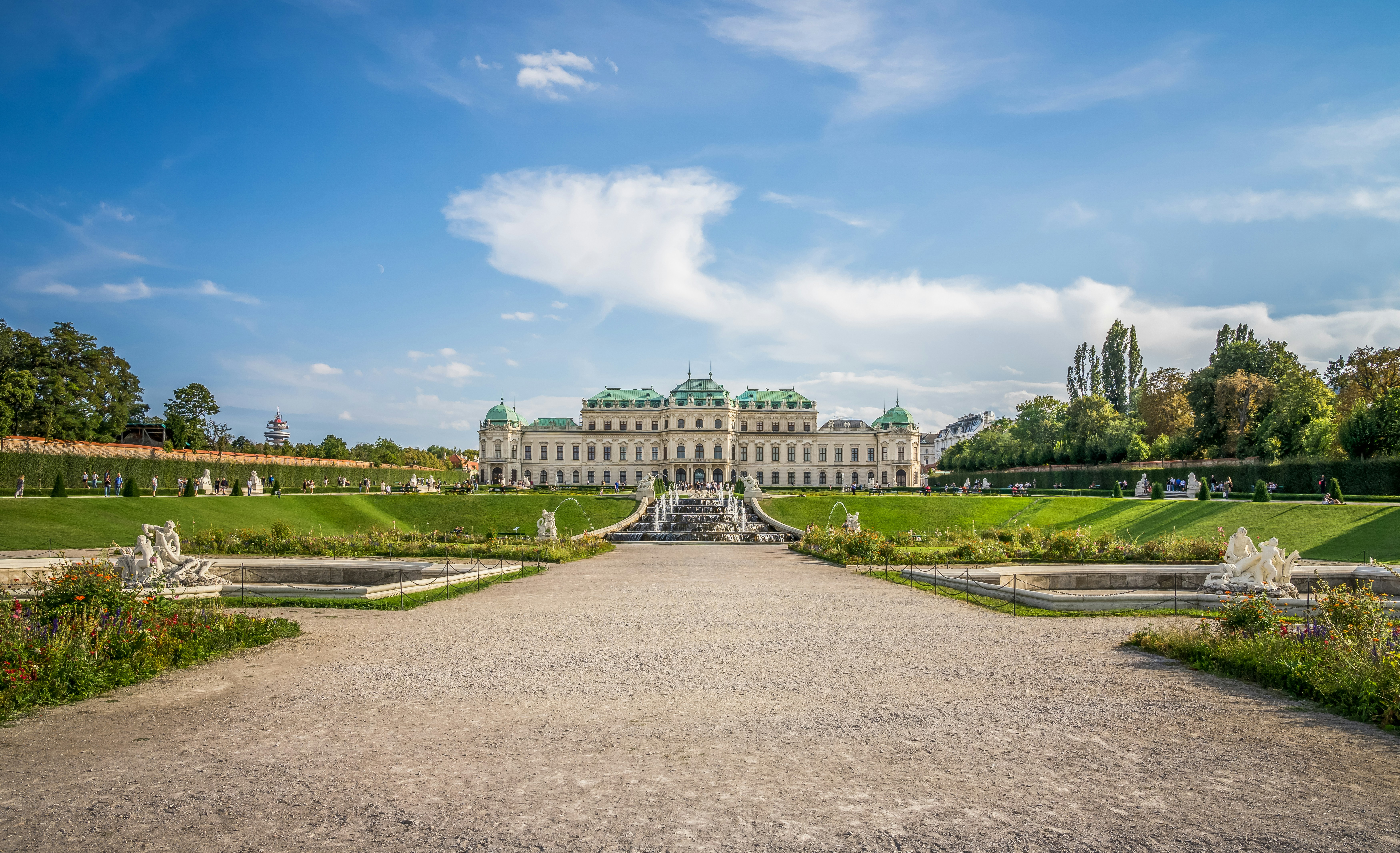
Austria is known for its alpine landscapes, with the Eastern Alps covering much of the country. The Danube River flows through the northern part, while picturesque lakes, rolling hills, and dense forests define the rest of the landscape.
Austrian culture is deeply influenced by its imperial past, with a rich tradition in classical music, art, and architecture. The country is also known for its folk traditions, which are celebrated with festivals, costumes, and music.
Austrian cuisine is hearty and flavorful, with famous dishes like Wiener Schnitzel, Apfelstrudel, and Sachertorte. The country’s coffeehouse culture is also renowned, offering a place to enjoy pastries and coffee in a relaxed setting.
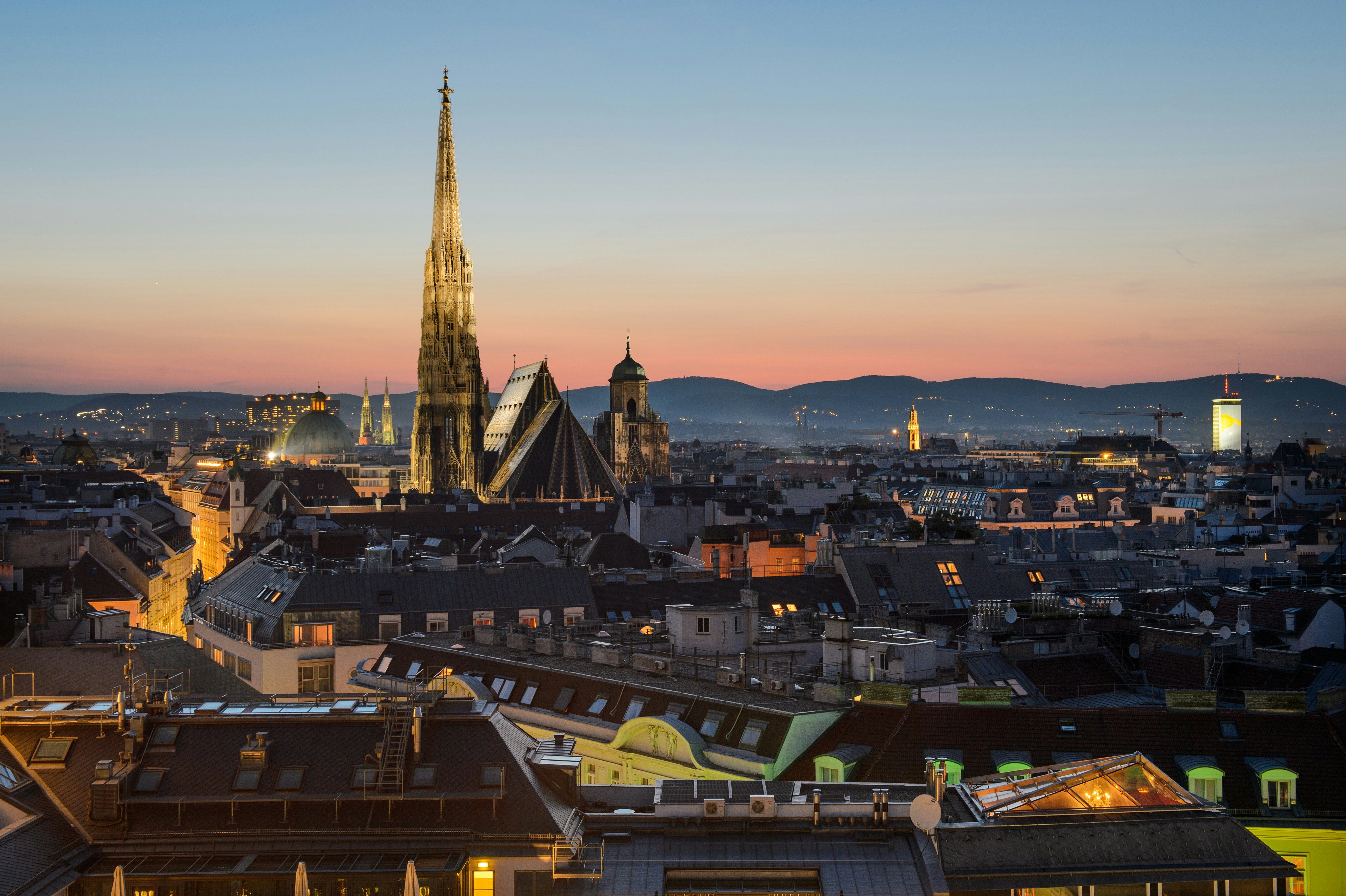
Austria is home to iconic landmarks such as Schönbrunn Palace in Vienna, the historic city of Salzburg, and the alpine region of Tyrol. The country’s Christmas markets and scenic villages are also popular attractions.
German is the official language of Austria, with regional dialects spoken across the country. The language is an important part of Austrian identity and culture, particularly in literature and music.
Austria celebrates a variety of festivals, including the Salzburg Festival, Vienna Opera Ball, and National Day on October 26th. The country also has a rich tradition of Christmas markets, where crafts, food, and music create a festive atmosphere.
Austria has a temperate climate with four distinct seasons. Winters are cold with significant snowfall in the alpine regions, while summers are warm and sunny, especially in the eastern lowlands.
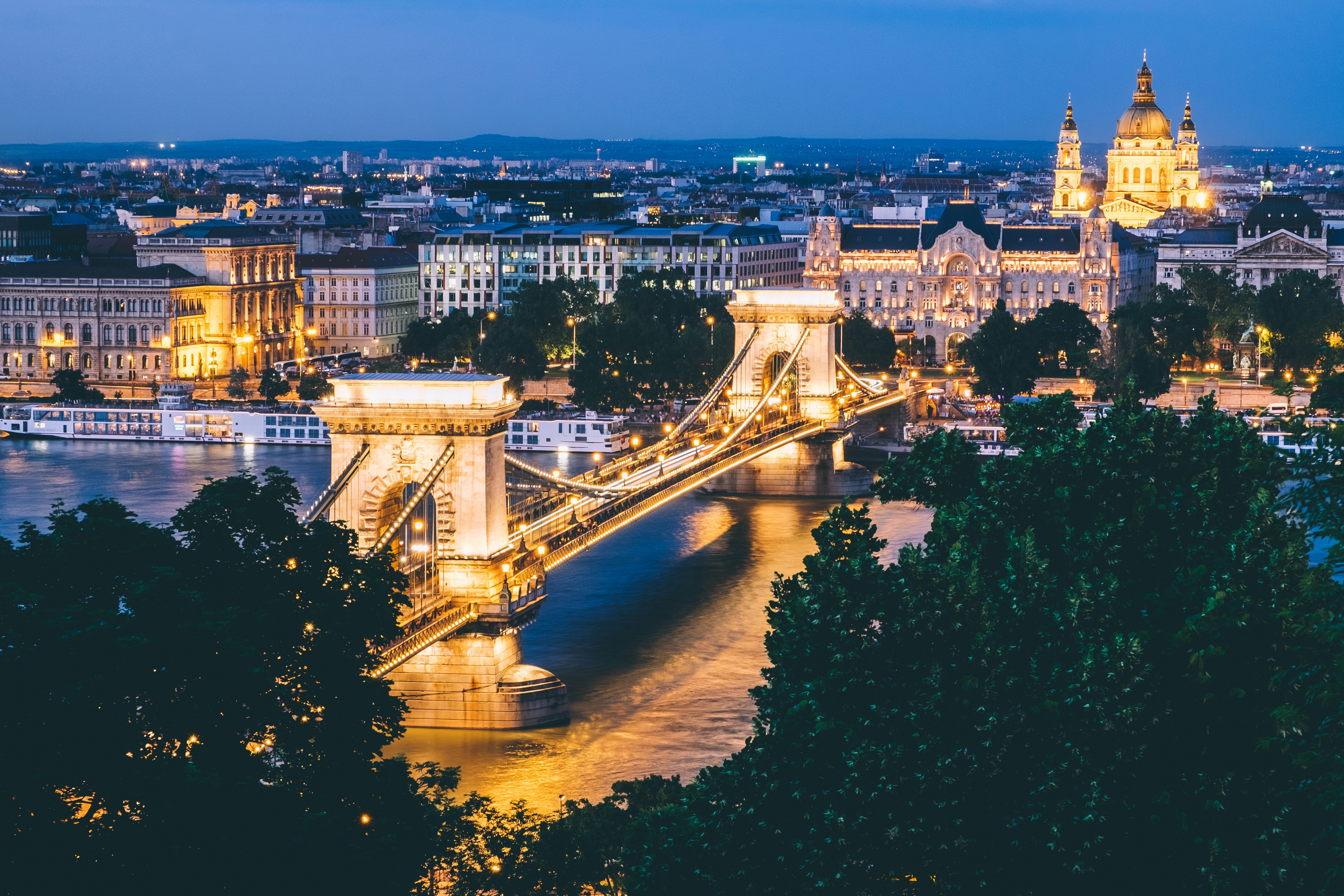
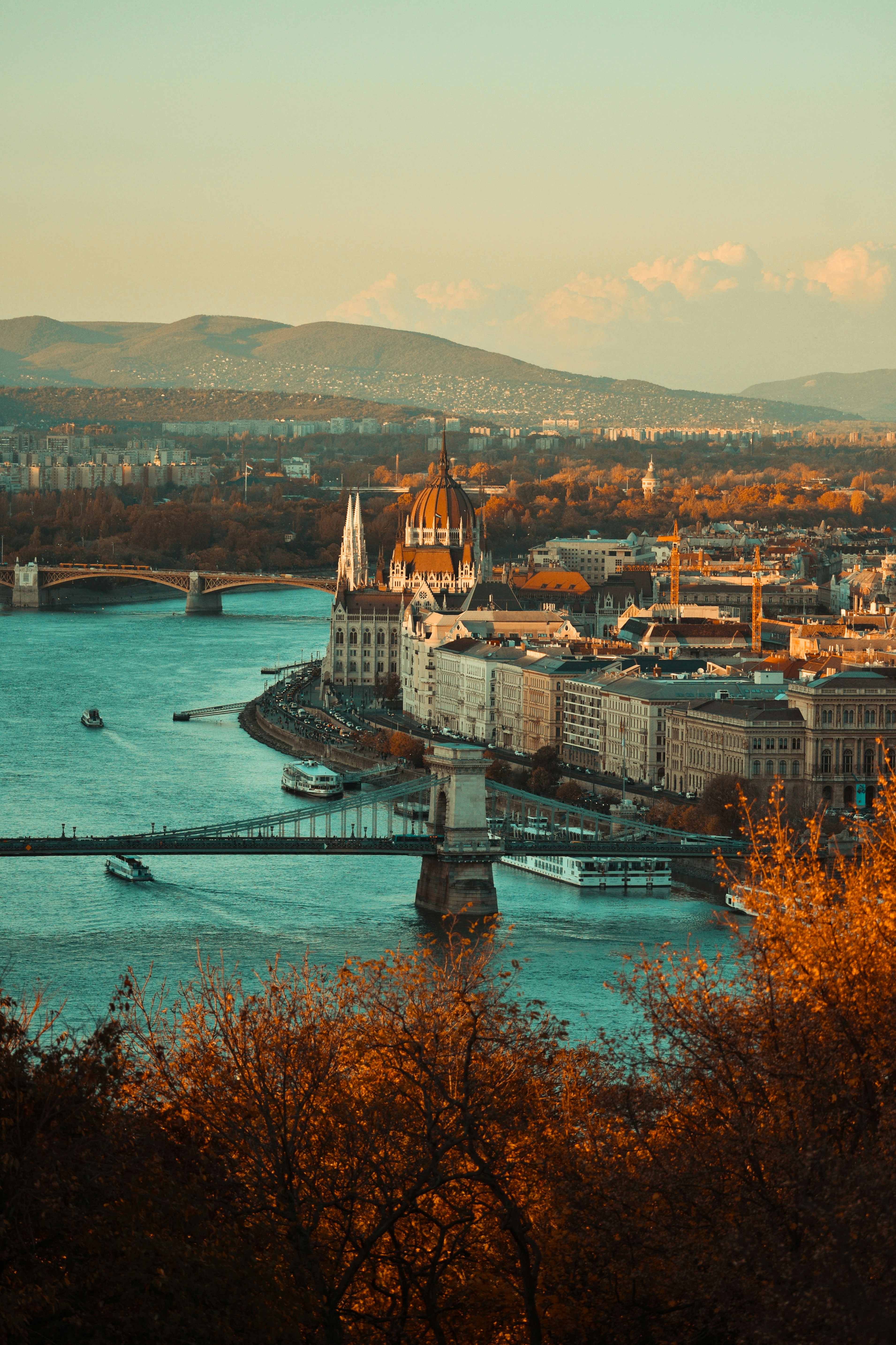
Hungary is located in Central Europe, with a landscape defined by the Great Hungarian Plain, rolling hills, and the Danube River. The country is also known for its thermal springs, which have been used for centuries for their healing properties.
Hungarian culture is a blend of Magyar, Ottoman, and Habsburg influences, with a strong tradition in music, dance, and folk art. The country’s history and traditions are celebrated through festivals, literature, and cuisine.
Hungarian cuisine is known for its rich flavors, with dishes like Goulash, Paprikash, and Chimney Cake being popular both locally and internationally. Paprika is a key ingredient in many Hungarian dishes, reflecting the country’s agricultural heritage.
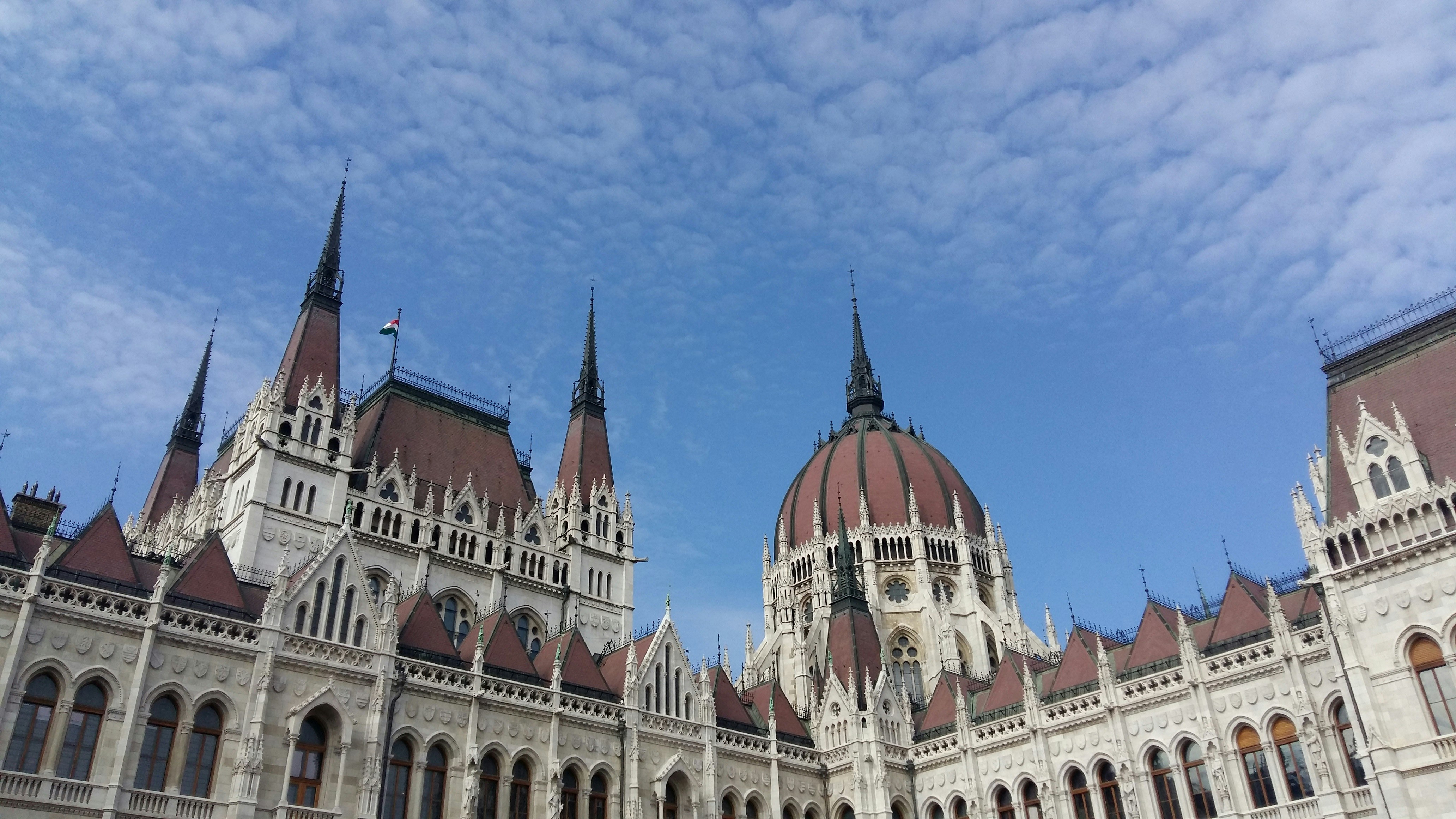
Key attractions include the historic city of Budapest, Lake Balaton, and the wine region of Tokaj. Hungary’s architectural landmarks, such as Buda Castle and the Parliament Building, are also major draws for visitors.
Hungarian (Magyar) is the official language, and it is unique in Europe for its Uralic roots. The language is central to Hungarian identity, with a rich literary tradition that includes epic poetry, novels, and folk tales.
Hungary celebrates both national and religious festivals, including St. Stephen’s Day, which marks the founding of the Hungarian state, and Easter, which is celebrated with traditional customs like egg painting and sprinkling.
Hungary has a continental climate, with hot summers and cold winters. The country experiences moderate rainfall throughout the year, with the western regions being wetter than the eastern plains.
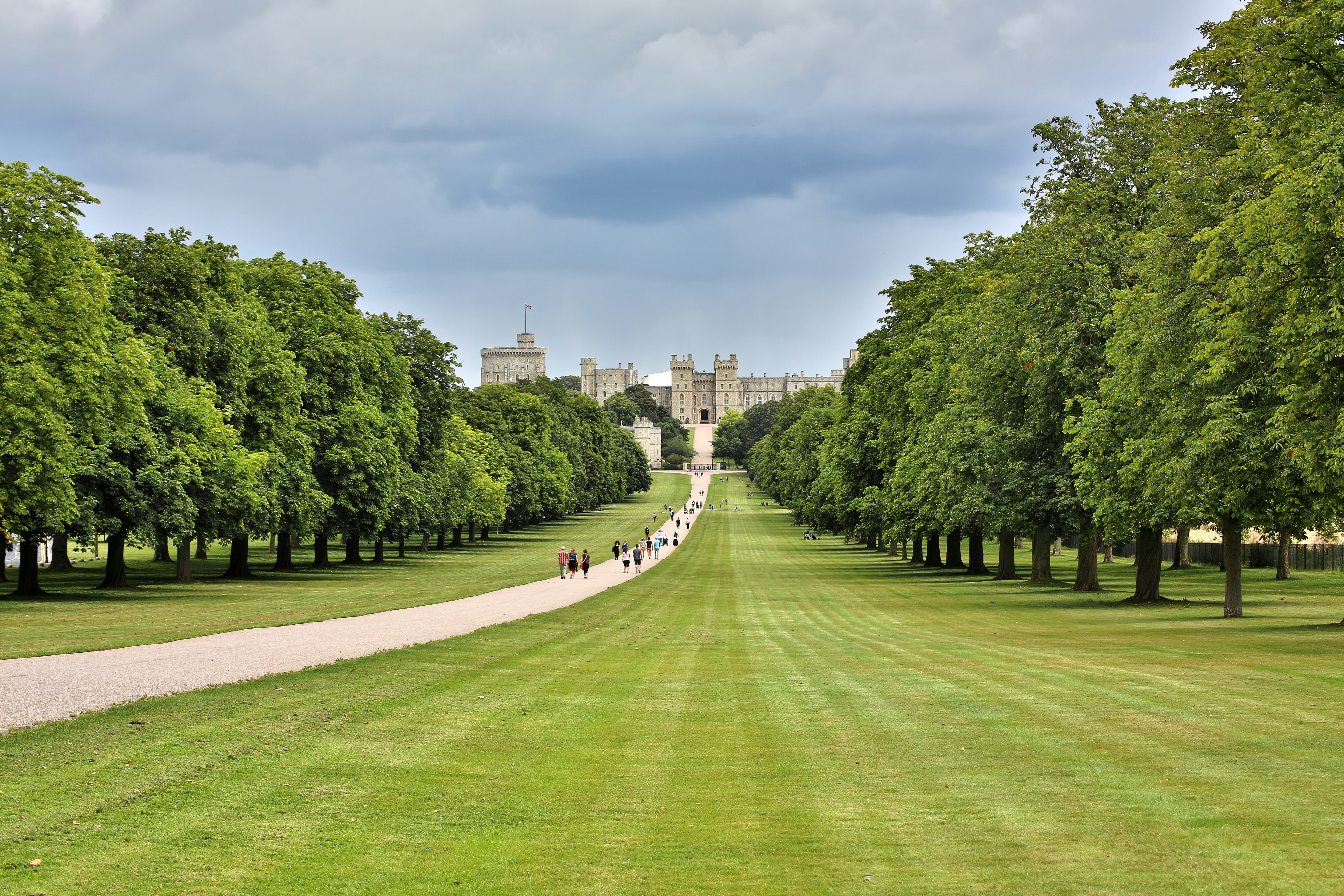
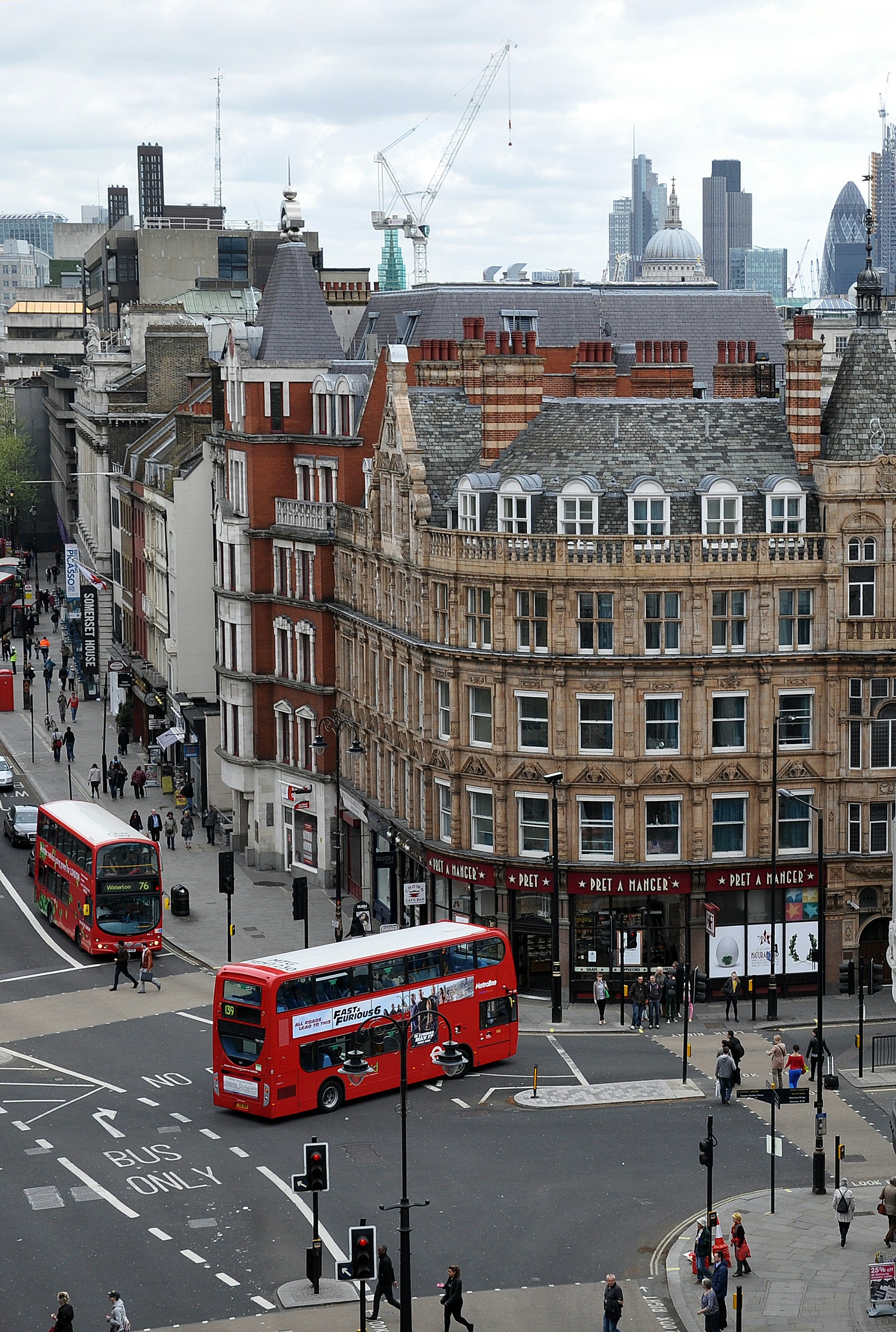
The United Kingdom is made up of England, Scotland, Wales, and Northern Ireland, each with its own distinct landscapes. From the rolling hills of the Cotswolds to the rugged Highlands of Scotland, the UK offers a diverse array of natural beauty.
The UK is known for its rich history, literature, and traditions, from afternoon tea to royal ceremonies. British culture has been shaped by its colonial past, with influences from around the world reflected in its art, food, and customs.
British cuisine is known for hearty dishes like Fish and Chips, Roast Beef, and Full English Breakfast. The UK is also famous for its pubs, where traditional fare is served alongside locally brewed ales and ciders.
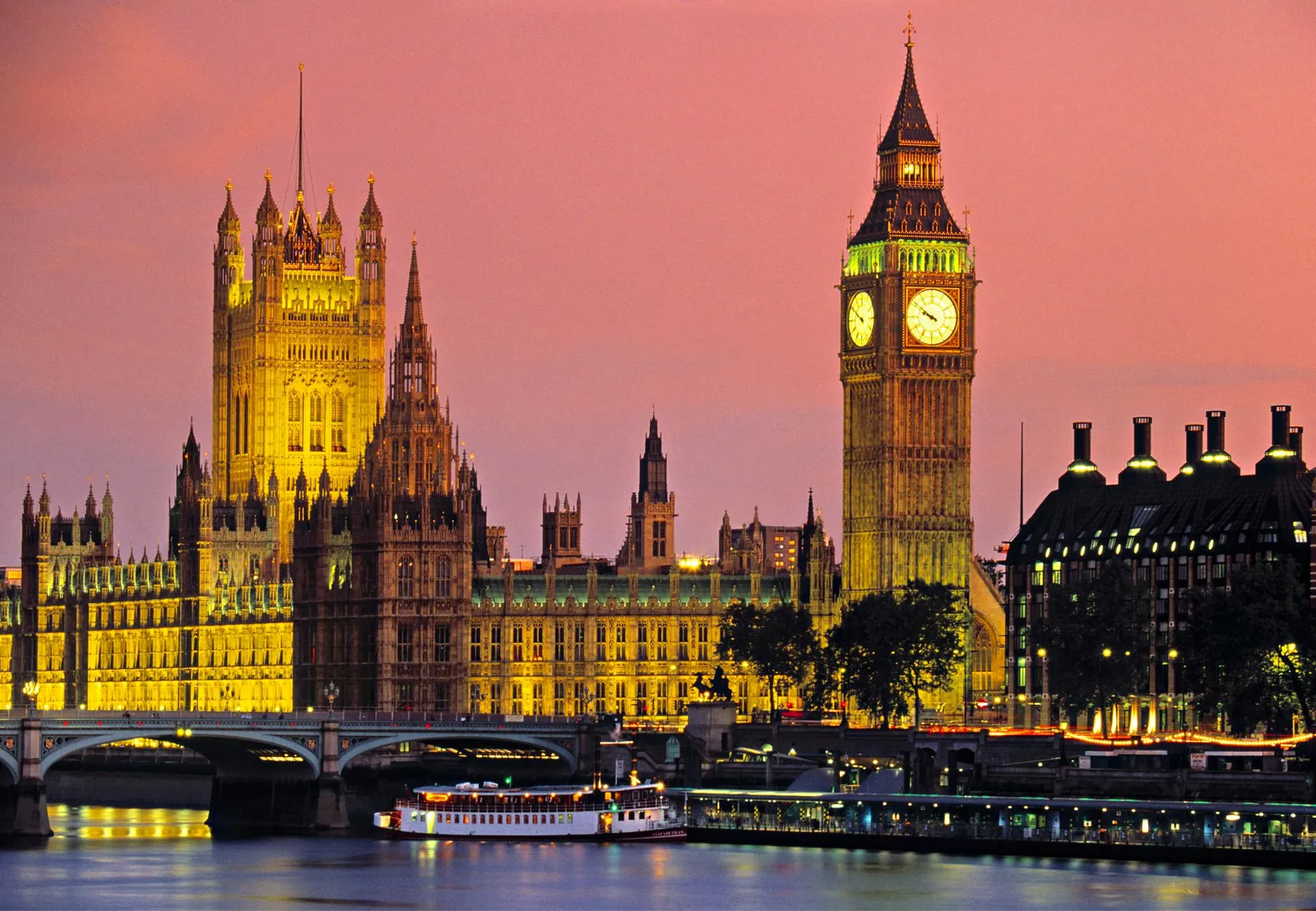
Iconic landmarks include Big Ben, the Tower of London, and Buckingham Palace. The UK is also home to UNESCO World Heritage sites such as Stonehenge, the Giant’s Causeway, and the historic city of Bath.
English is the official language of the UK, but Welsh, Scottish Gaelic, and Irish are also spoken in their respective regions. The UK’s linguistic diversity is a reflection of its rich history and cultural heritage.
The UK celebrates a variety of festivals, including Bonfire Night, Christmas, and the Notting Hill Carnival. These events are marked by parades, fireworks, and traditional music, reflecting the country’s cultural diversity.
The UK has a temperate maritime climate, with mild winters and cool summers. The weather is notoriously changeable, with frequent rain showers throughout the year.
Germany’s landscape ranges from the North Sea and Baltic coasts to the Alps in the south. The country is also known for its rivers, such as the Rhine and Danube, as well as its dense forests and picturesque villages.
German culture is characterized by its contributions to philosophy, music, and science. The country is also known for its festivals, particularly Oktoberfest, which celebrates Bavarian traditions with beer, music, and food.
German cuisine is known for its hearty dishes like Bratwurst, Sauerkraut, and Pretzels. The country is also famous for its bread, cakes, and pastries, with each region offering its own specialties.
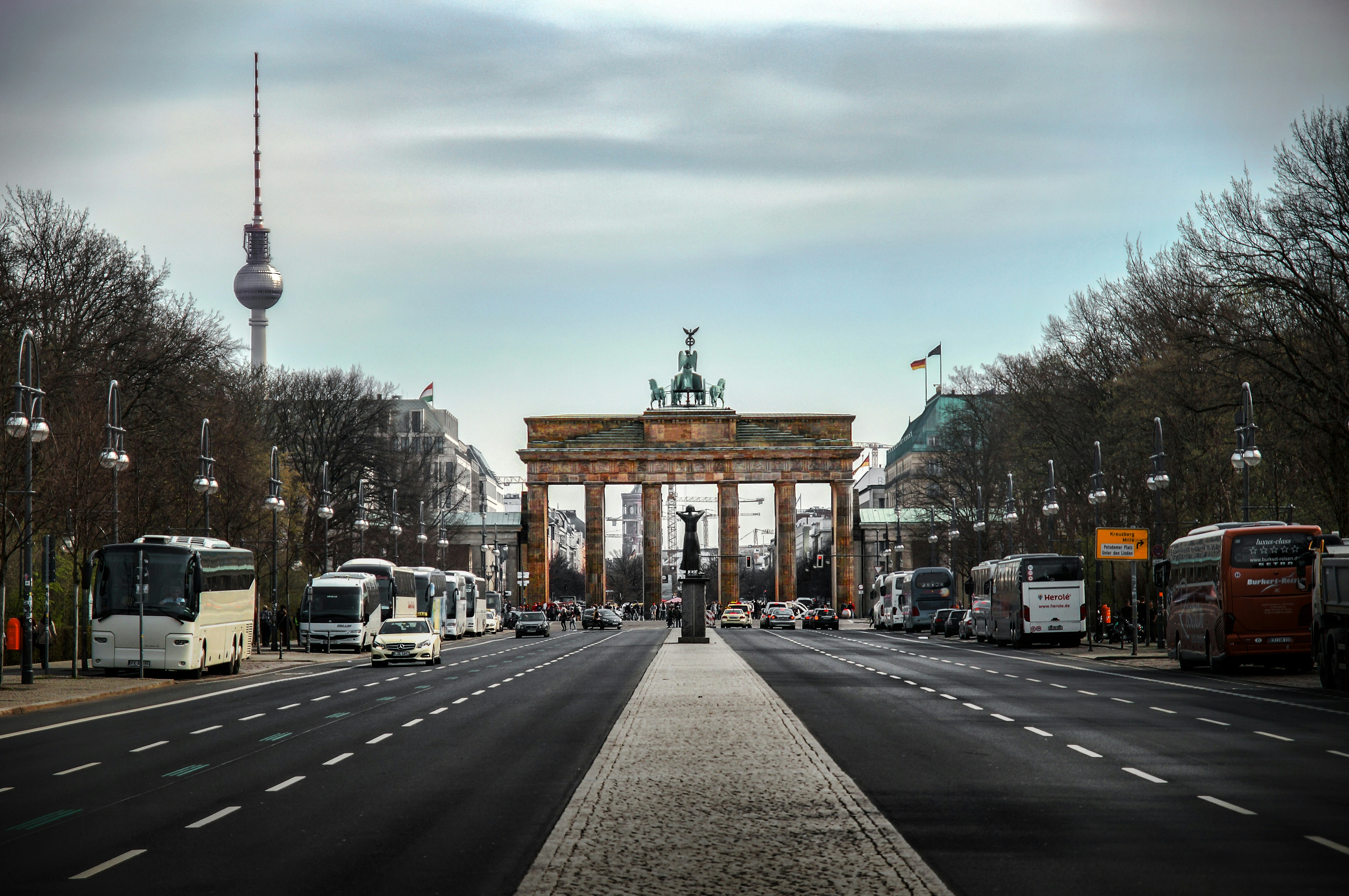
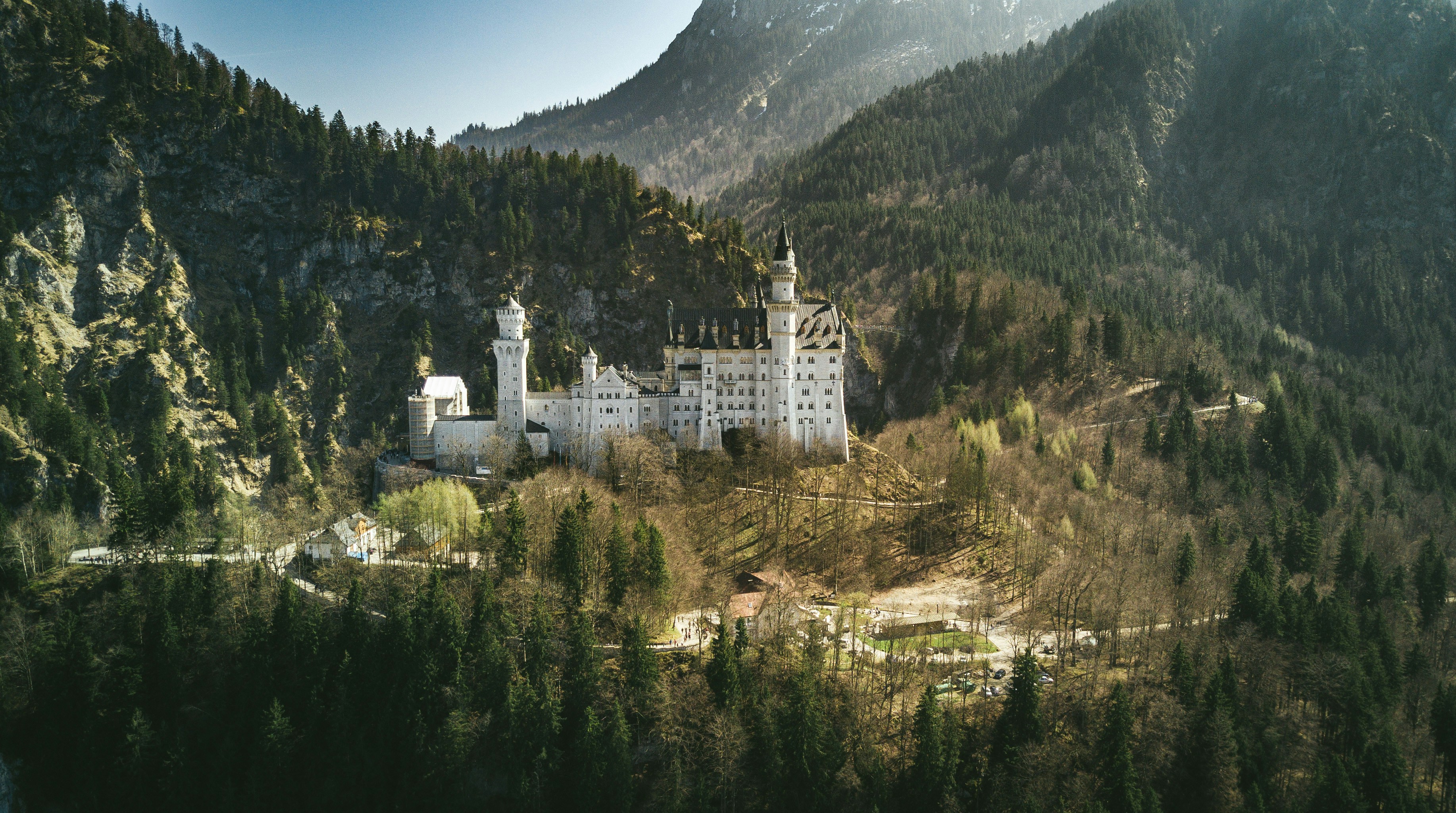
Key attractions include the Brandenburg Gate in Berlin, Neuschwanstein Castle in Bavaria, and the Black Forest. Germany’s Christmas markets and the Romantic Road are also popular with visitors.
German is the official language, with various dialects spoken across the country. The language is central to German identity, with a rich literary tradition that includes works by Goethe, Schiller, and Kafka.
Germany celebrates a variety of festivals, including Oktoberfest, Christmas, and Easter. The country is also known for its music festivals, such as the Bayreuth Festival, which celebrates the works of Richard Wagner.
Germany has a temperate seasonal climate, with cold winters and warm summers. The country experiences moderate rainfall throughout the year, with snow in the winter months in the southern and eastern regions.
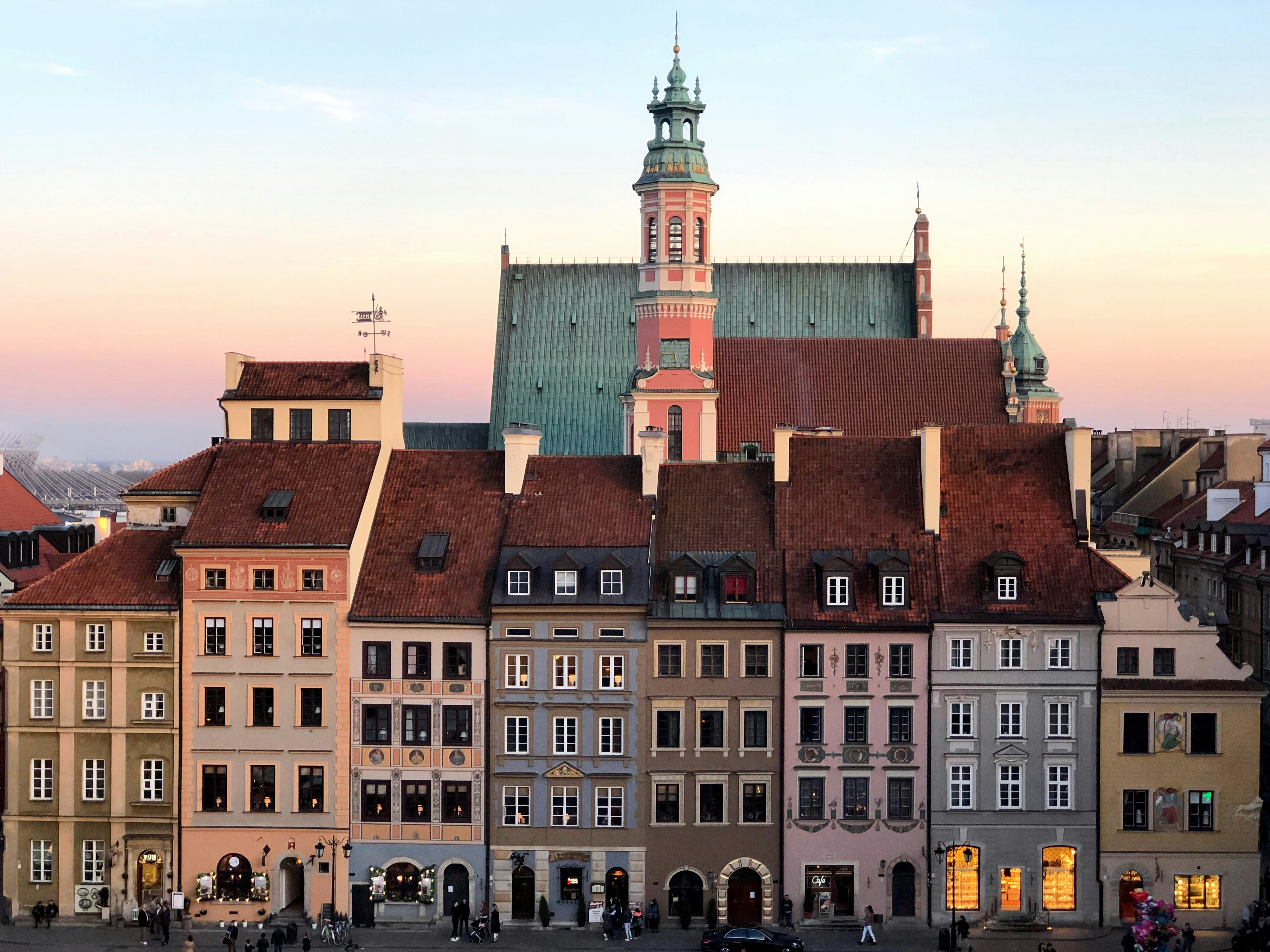
Poland is located in Central Europe, with a landscape that includes the Carpathian Mountains in the south, the Baltic Sea coast in the north, and vast plains in the central region. The country is also home to numerous lakes, forests, and rivers.
Polish culture is deeply rooted in its history and traditions, with a strong emphasis on family, religion, and folklore. The country is known for its music, literature, and arts, with a rich tradition in classical music and theater.
Polish cuisine is hearty and flavorful, with dishes like Pierogi, Bigos, and Kielbasa being popular both locally and internationally. The country is also known for its bread, pastries, and traditional soups.
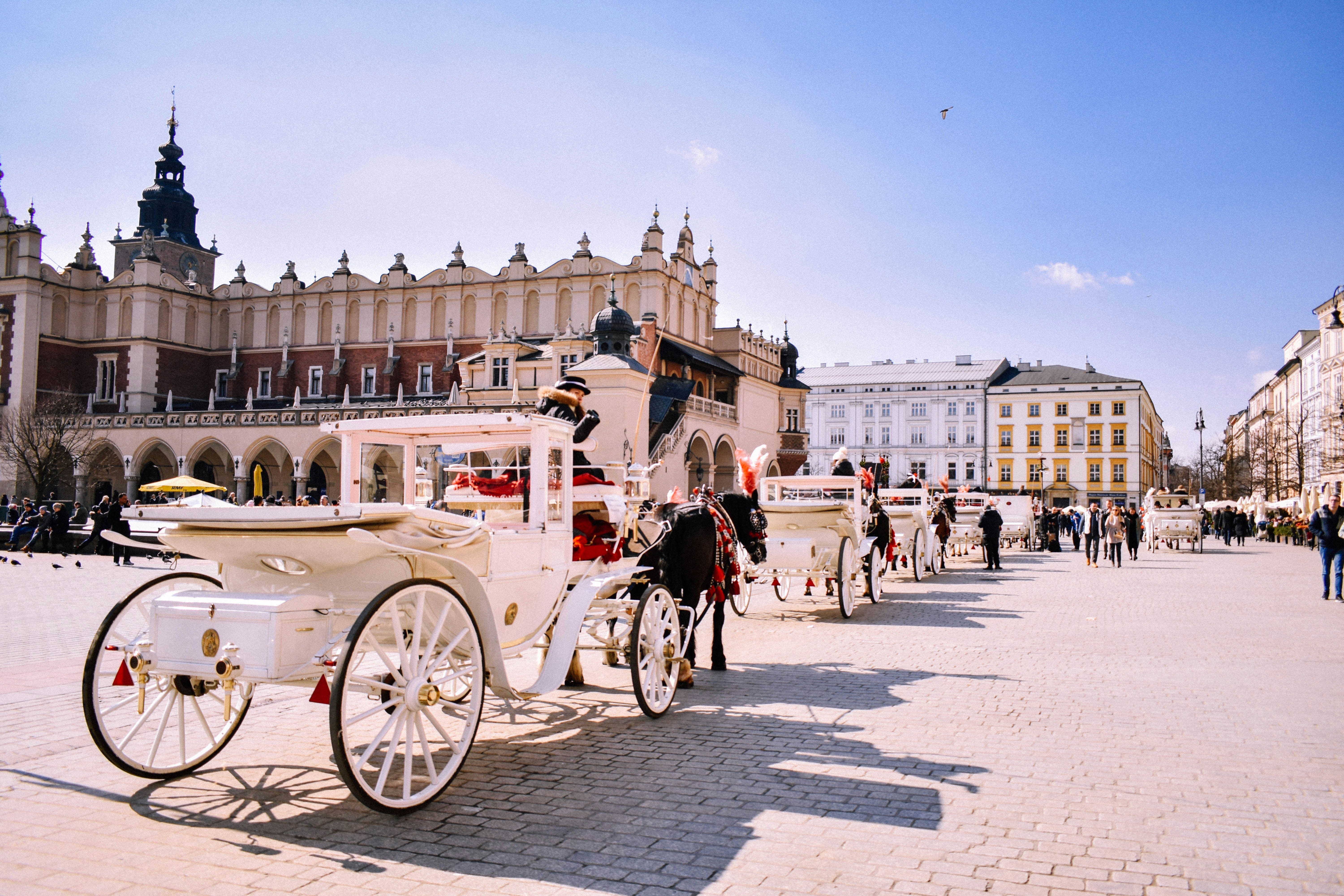
Key attractions include the historic city of Krakow, the Wieliczka Salt Mine, and the Tatra Mountains. Poland is also home to significant World War II sites, such as Auschwitz-Birkenau and the Warsaw Uprising Museum.
Polish is the official language, and it is central to Polish identity and culture. The language has a rich literary tradition, with famous poets like Adam Mickiewicz and Nobel laureates like Wisława Szymborska.
Poland celebrates a variety of festivals, including Christmas, Easter, and All Saints’ Day. The country is also known for its traditional folk festivals, where music, dance, and regional costumes are on full display.
Poland has a temperate climate with four distinct seasons. Winters are cold with snow, especially in the mountains, while summers are warm with occasional thunderstorms.
The Czech Republic is known for its rolling hills, dense forests, and historic towns. The country is landlocked, bordered by Germany, Austria, Slovakia, and Poland, with the Bohemian Forest and the Ore Mountains forming natural borders.
Czech culture is rich in history and tradition, with a strong emphasis on literature, music, and theater. The country is known for its folk traditions, which are celebrated through festivals, costumes, and music.
Czech cuisine is hearty and filling, with dishes like Svíčková (beef with cream sauce), Goulash, and Knedlíky (dumplings) being popular. The country is also known for its world-class beer, with a brewing tradition that dates back centuries.
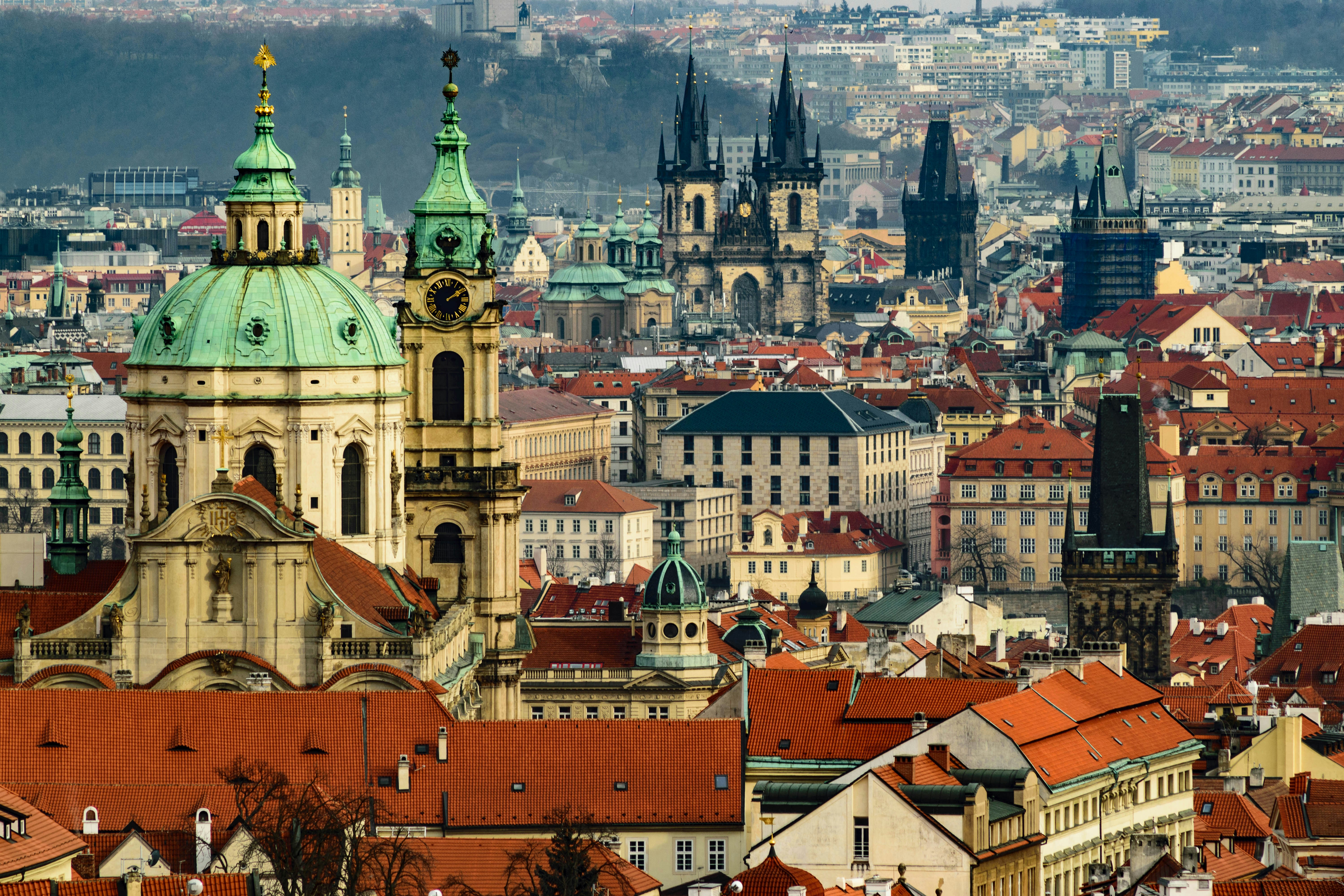
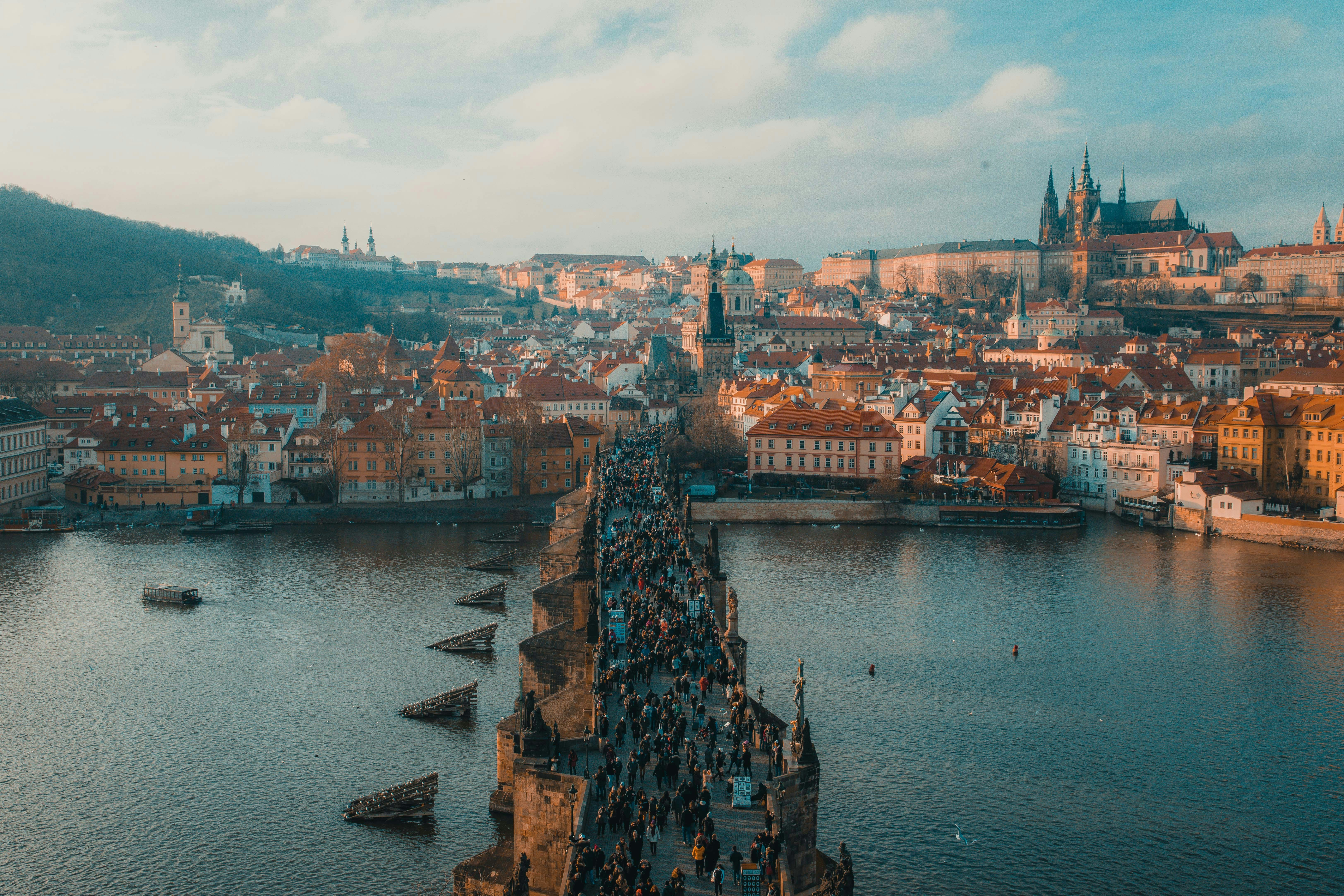
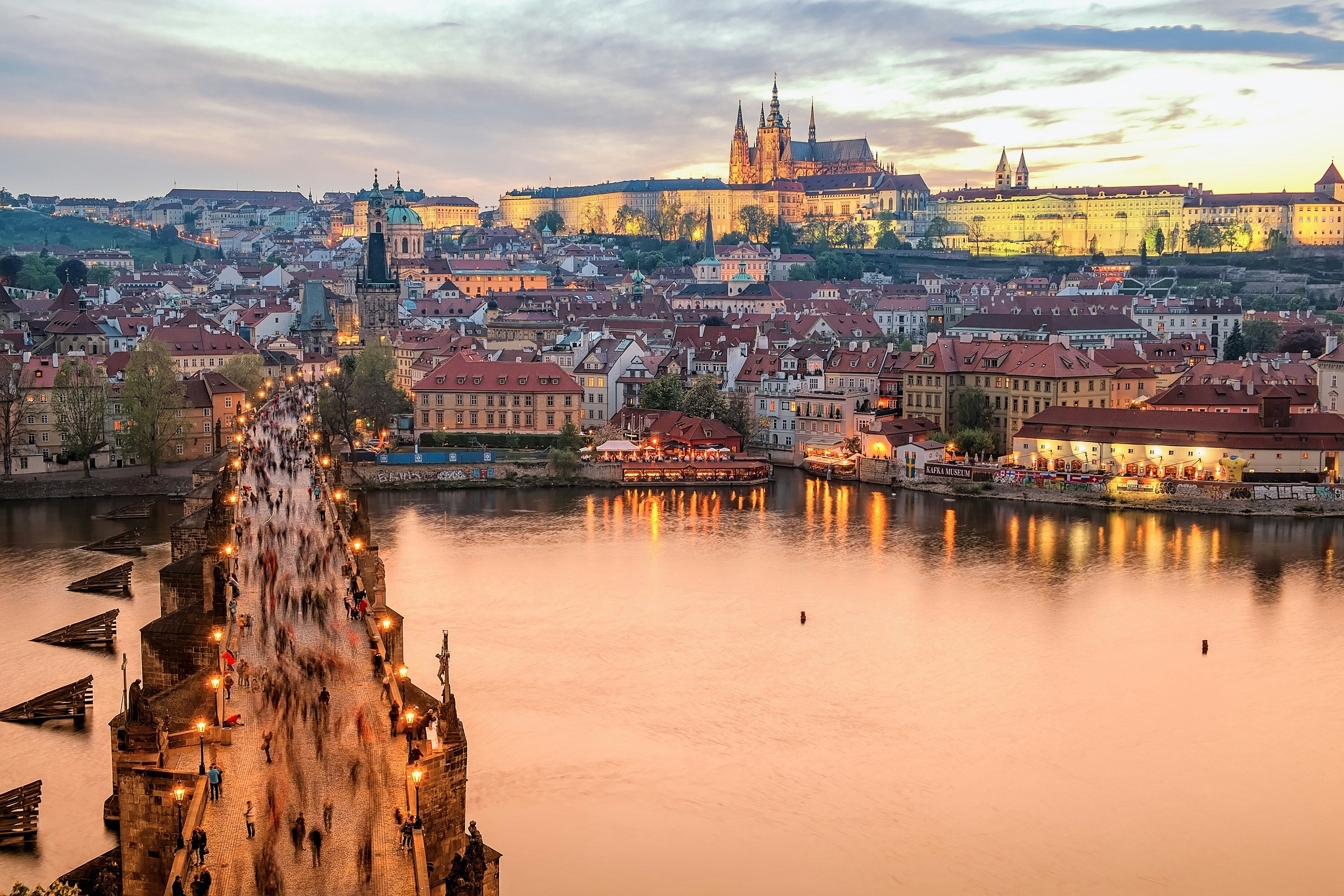
Key attractions include the historic city of Prague, with its iconic Charles Bridge and Prague Castle, as well as the spa town of Karlovy Vary. The Czech Republic is also known for its well-preserved medieval towns, such as Český Krumlov.
Czech is the official language, with Slovak also widely understood. The Czech language has a rich literary tradition, with famous authors like Franz Kafka and Milan Kundera hailing from the region.
The Czech Republic celebrates a variety of festivals, including Easter, Christmas, and St. Wenceslas Day. The country is also known for its beer festivals, such as the Pilsner Fest, which celebrates the country’s brewing heritage.
The Czech Republic has a temperate continental climate, with cold winters and warm summers. The country experiences moderate rainfall throughout the year, with snow in the winter months.
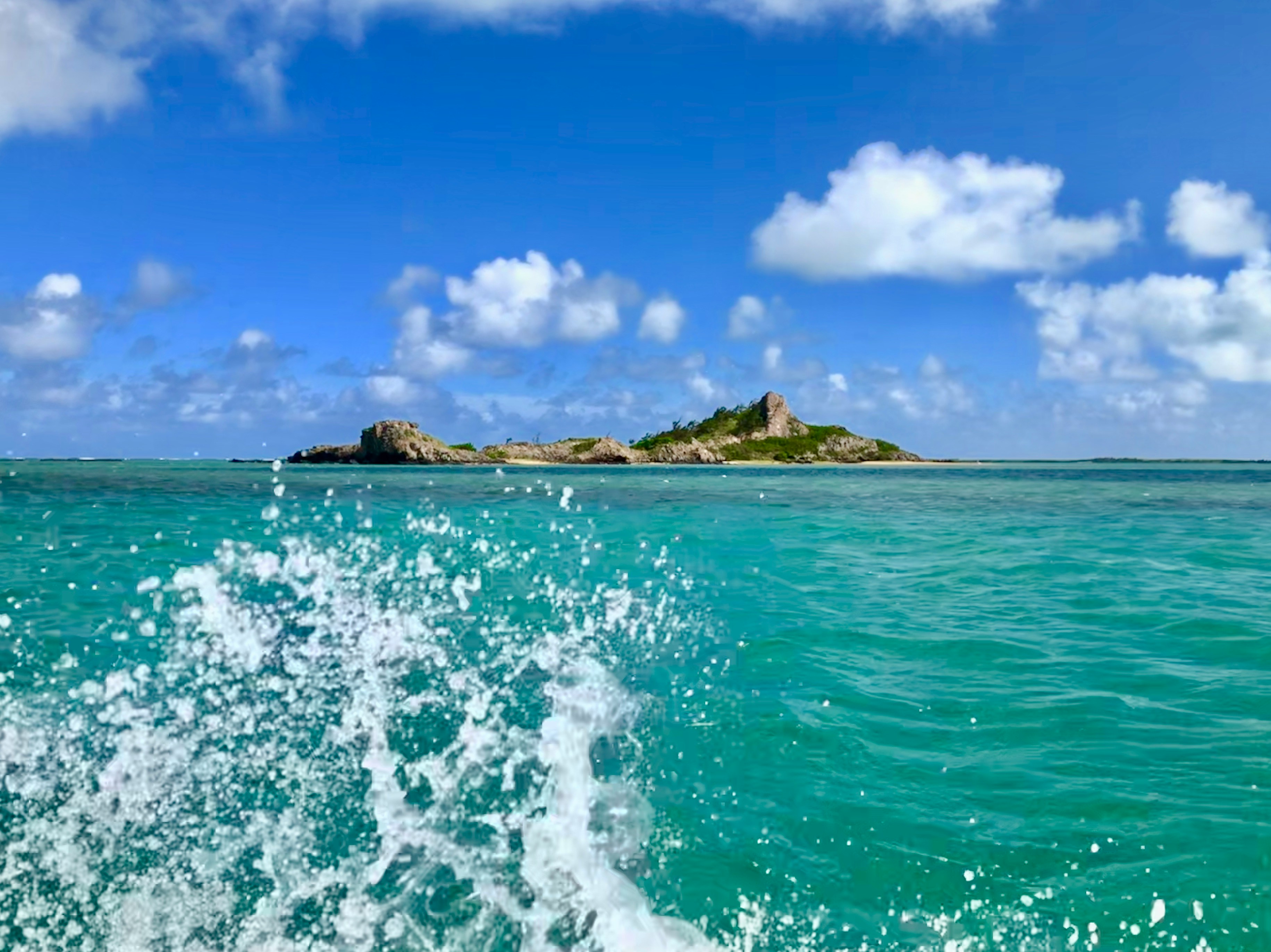
Rodrigues is a small island in the Indian Ocean, part of the Republic of Mauritius. The island is known for its volcanic hills, coastal lagoons, and coral reefs. Rodrigues is surrounded by a protective reef, creating calm, shallow waters ideal for fishing and snorkeling.
Rodrigues has a unique culture influenced by African, European, and Indian traditions. The island is known for its music and dance, particularly the Sega Tambour, which is performed at festivals and celebrations.
Rodriguan cuisine is characterized by fresh seafood, locally grown vegetables, and Creole flavors. Popular dishes include Octopus Curry, Rougaille, and various chutneys made from tropical fruits.
Key attractions include the Francois Leguat Giant Tortoise and Cave Reserve, the Ile aux Cocos bird sanctuary, and the stunning beaches of Trou d’Argent and Saint Francois. The island’s laid-back atmosphere and unspoiled nature make it a peaceful retreat.
The official languages are English and French, but Creole is widely spoken by the local population. The use of Creole reflects the island’s diverse cultural heritage.
Rodrigues celebrates various festivals, including Independence Day, Easter, and Christmas. The island also has unique local festivals, such as the Festival Kreol, which celebrates Creole culture through music, dance, and food.
Rodrigues has a tropical climate, with warm temperatures throughout the year. The island experiences a dry season from May to November and a wet season from December to April, with occasional cyclones during the wet season.
Welcome to the Travel Tips section! Here, you’ll find valuable advice to make your travels smoother, safer, and more enjoyable. Whether you’re a seasoned traveler or planning your first trip, these tips will help you make the most of your journey.
Take the quiz below to determine which country you should visit!